
Futurism, Rewired
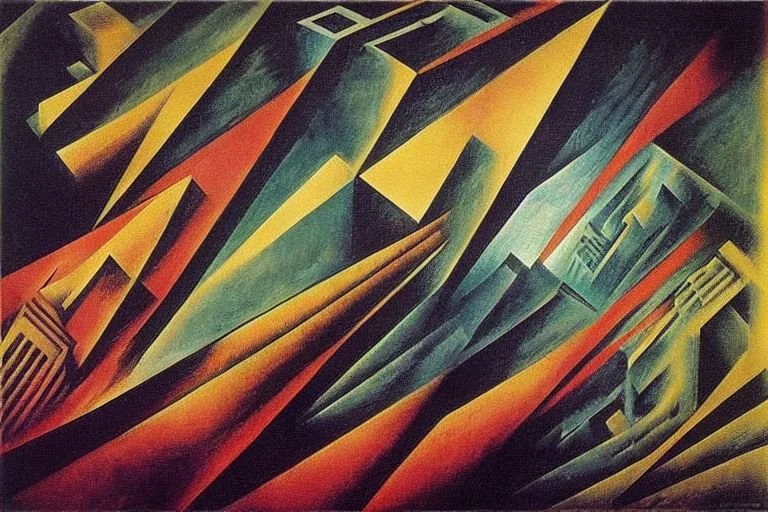
Giacomo Balla grabs you by the throat and reminds you that light was never meant to sit still. Umberto Boccioni shows up right after and makes it clear that bodies, cities, ideas, and probably your last fragile illusion of control aren’t staying still either.
I love the Futurists in that slightly unhealthy way you love things that still know how to punch back. They didn’t paint the world so much as they picked a fight with it. Speed, friction, noise, metal, nerves, impact. No polite little still lifes for people who want their art to behave. No tasteful silence. Just this wild need to take reality apart until it starts shaking in your hands.
Balla breaks motion into shards, like time itself got fed into a machine and came out in pieces. Boccioni does something heavier. He turns movement into mass, pressure, collision. Flesh turning into city. City turning into machine. Machine turning into obsession. One fractures the image. The other hits you with force. Together, they make stillness look weak.
And honestly, that’s part of why I’m obsessed with them. In a world where everything gets softened, filtered, branded, and made easy to consume, Futurism still feels like an aesthetic assault. It doesn’t want to decorate your room. It wants to rearrange your nervous system.
So I tried something that feels either blasphemous or completely inevitable: I used AI to fuse their styles. I wanted Balla’s electric velocity and Boccioni’s muscular impact in the same visual language. Basically, I threw two beautiful forms of controlled chaos into a machine trained to imitate everything and waited to see whether it would make art or just produce a very stylish accident.
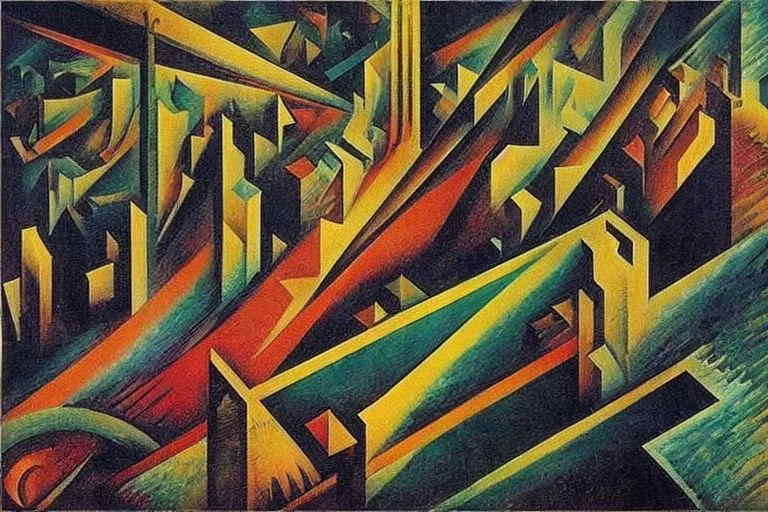
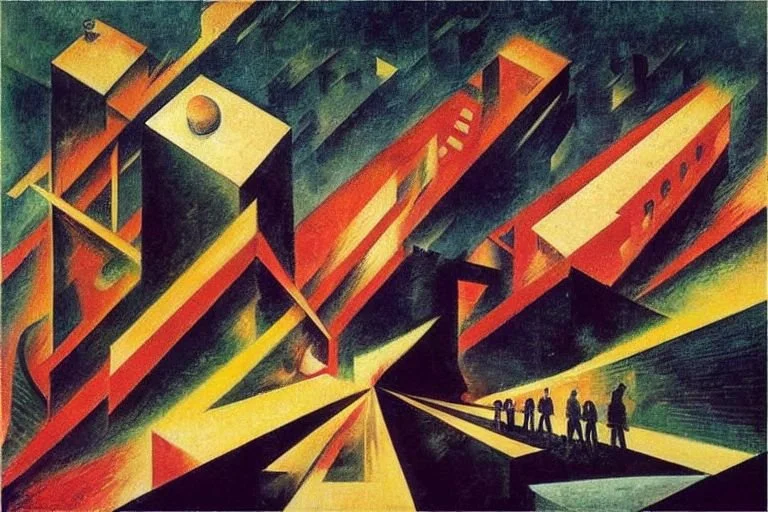
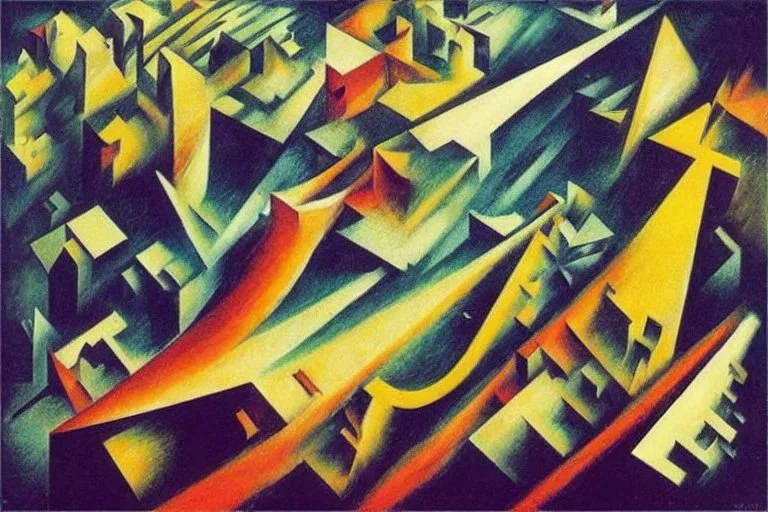
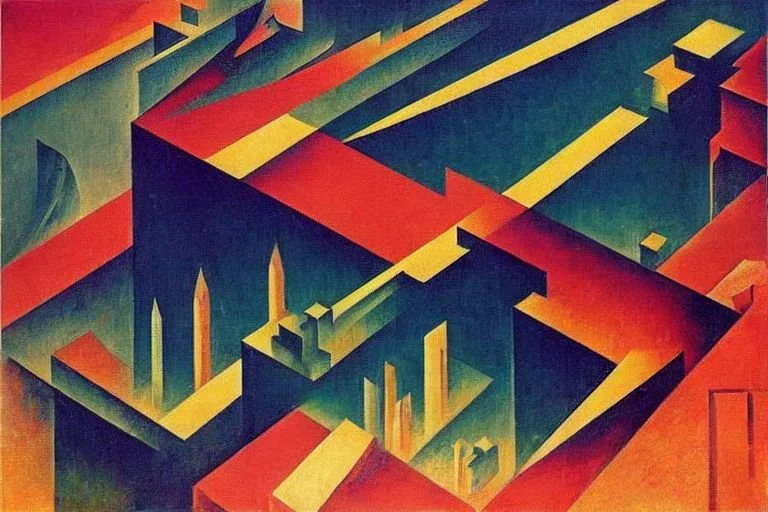
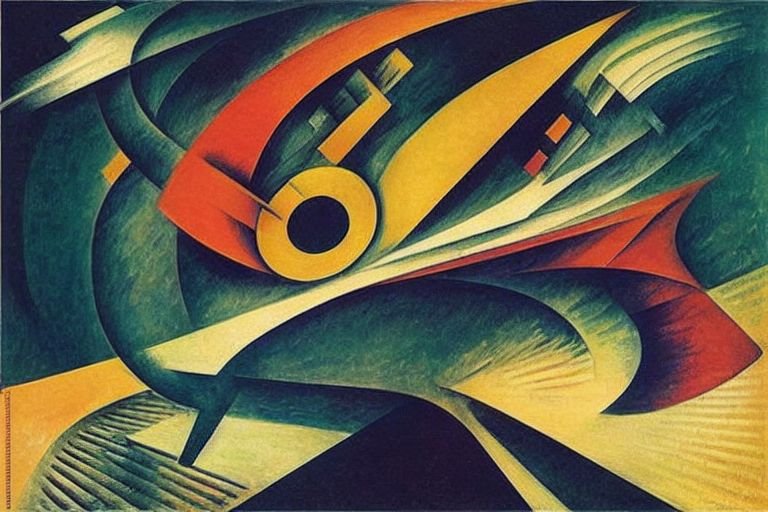
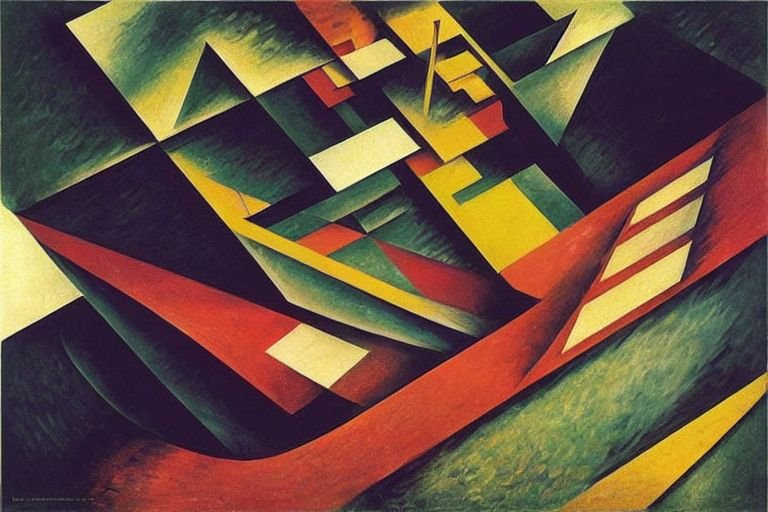
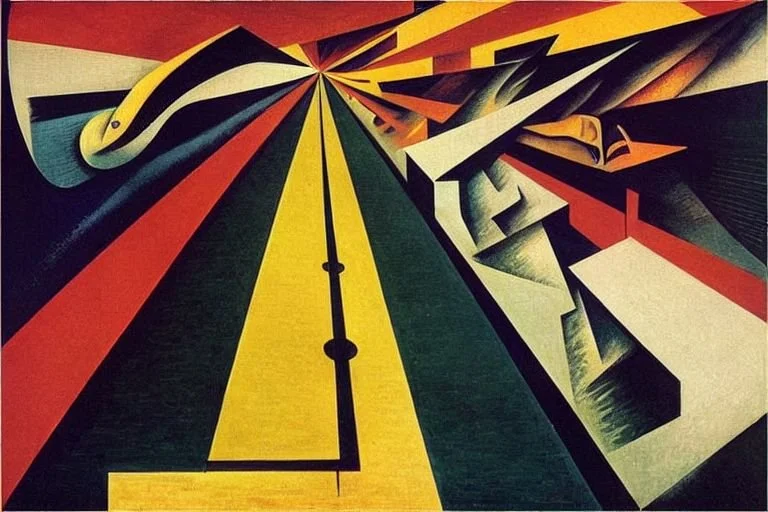
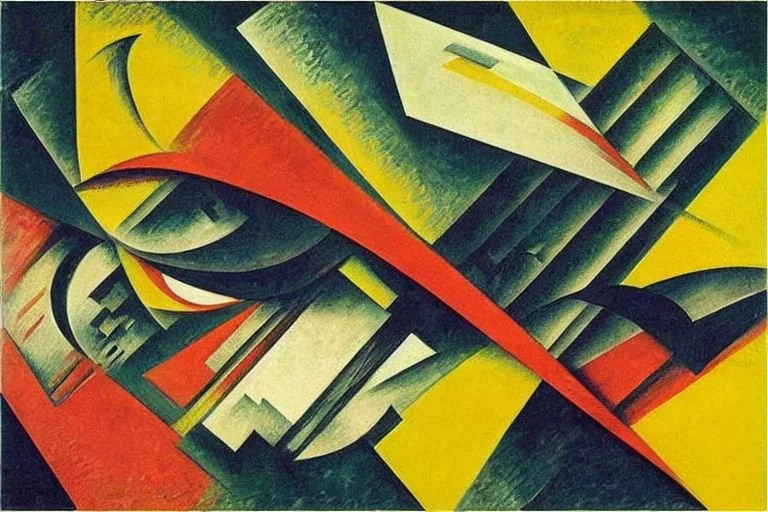
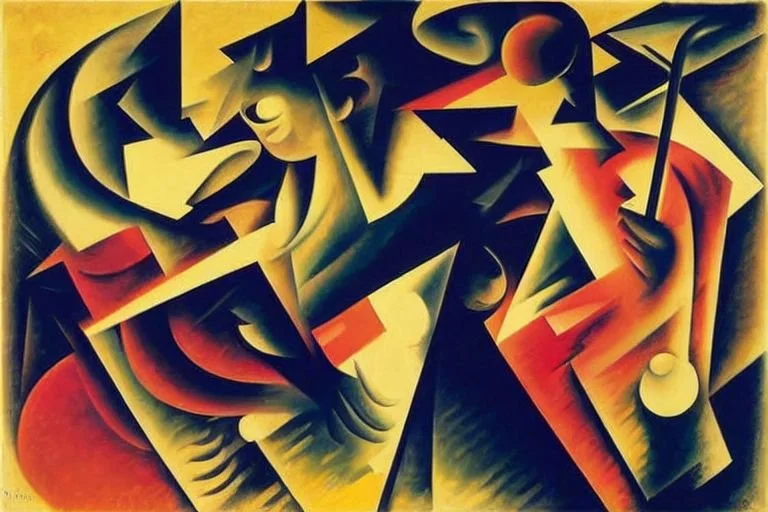
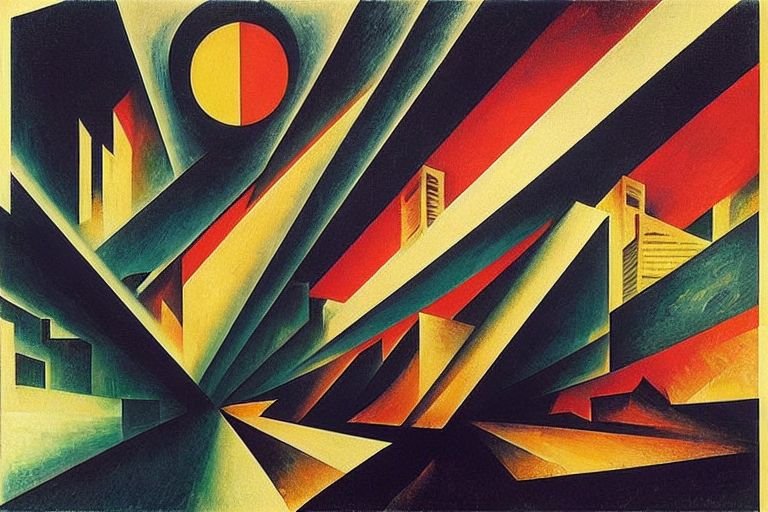
What came out isn’t a copy. Copies are for people who are scared. This feels more like a collision. Lines accelerating into each other. Forms swelling, breaking, mutating. Matter acting like it’s in a hurry to become something else. It’s less homage, more experiment. Less museum, more crash site.
That’s what I love most about the Futurists: they never ask permission. They don’t comfort you. They don’t flatter your taste. They remind you that art, when it’s actually alive, doesn’t sit there looking pretty.
It burns.