
Sironia
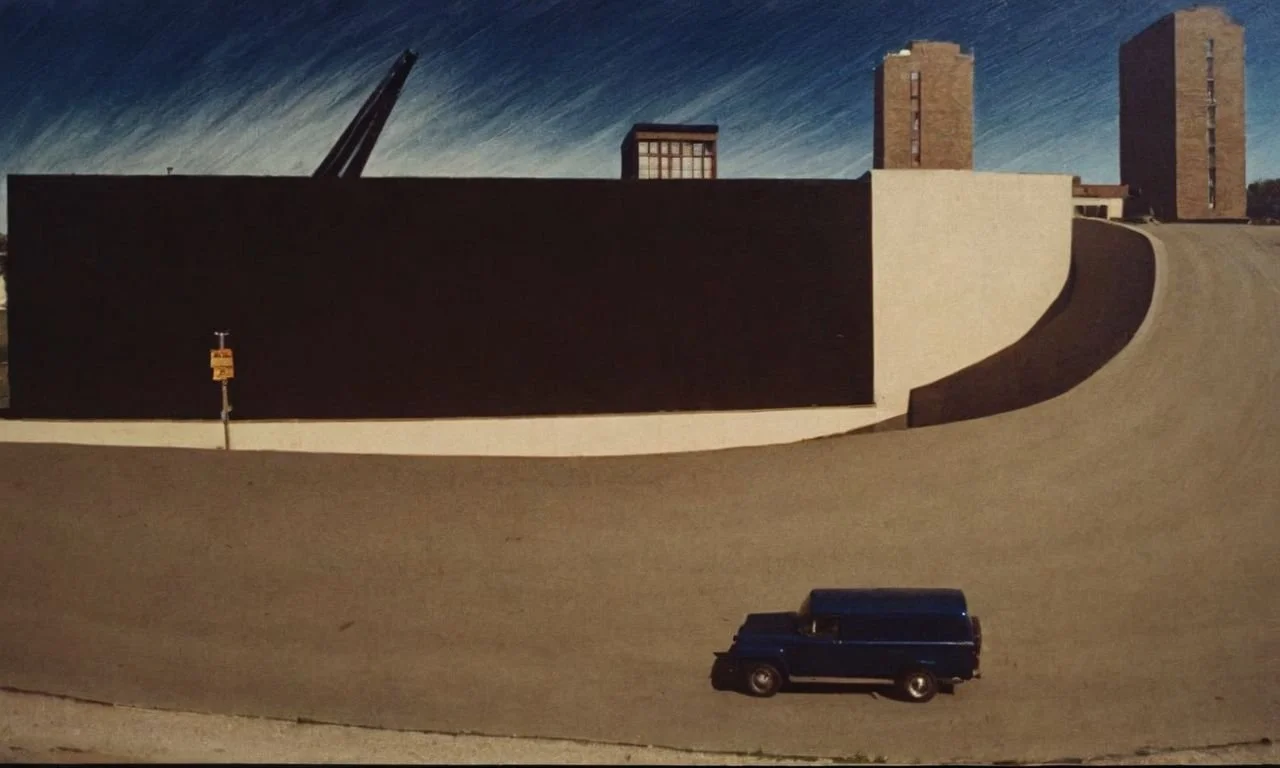
Sironia
Reworked photographs, heavy cities, and shadows that don’t ask for permission
Mario Sironi was born in Sassari, Italy, on May 12, 1885, and died in Milan in 1961. In between: painting, illustration, graphic design, set design, visual architecture, inner monuments, and cities that seem to wake up already exhausted. So, not exactly a watercolor-on-Sunday kind of guy with lemonade on the balcony.
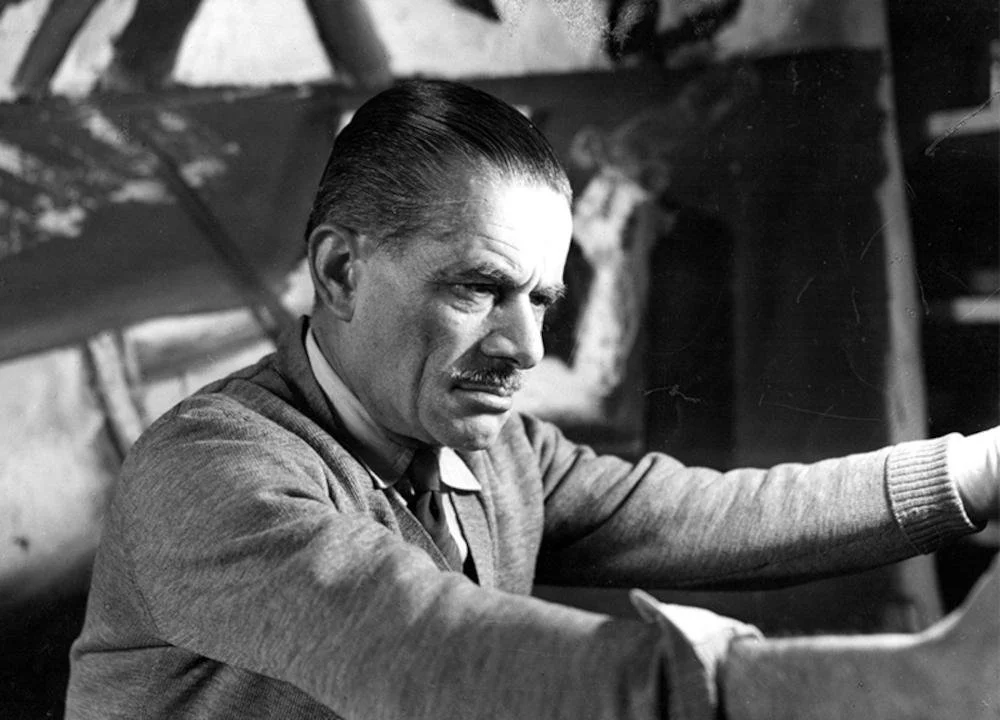
Sironi moved through Futurism, then probably looked it straight in the eye and decided that speed was fine, but weight was better. After his Futurist period, he became one of the central figures of Novecento Italiano, a movement that searched for a form that was modern but solid, classical but not nostalgic, monumental but not apologetic.
In other words: fewer flourishes, more blocks. Less grace, more gravity.
Sironi’s world is made of outskirts, factories, motionless figures, and buildings that seem to have a fairly pessimistic opinion of humanity. His cities are not backdrops. They are characters. And not charming ones. More like the kind of person who never speaks at the bar, but when he gets up to leave, even the glass feels cold.
Everything in Sironi seems built to outlast us: bodies, walls, shadows, volumes. His painting is severe, dark, monumental. Which is a wonderful combination — basically a compliment wearing a concrete jacket.
There is also the historical knot, because Sironi is not an artist you can simply frame, dust off, and pretend the rest does not exist. He was close to the cultural and political climate of Italy between the two world wars, and in the 1930s he took part in the debate around mural painting, including the Manifesto of Mural Painting in 1933. His art entered into dialogue with the public, celebratory, collective role of images.
And that makes his work more complex, more uncomfortable, and more interesting.
Art, when it is too comfortable, often becomes decoration. Sironi rarely decorates. More often, he occupies.
This is where Sironia begins.
Not as a copy. Not as a polite tribute, hat in hand, whispering in a museum voice.
Sironia is a visual experiment: reworked photographs inspired by Sironi’s world — mass, darkness, the city, geometry, the silence of things that are too large. Images that begin with reality and then push it a little further, toward a place where buildings become presences, streets become straight wounds, and light does not illuminate so much as interrogate.
In these photographs, I am not looking for pretty beauty.
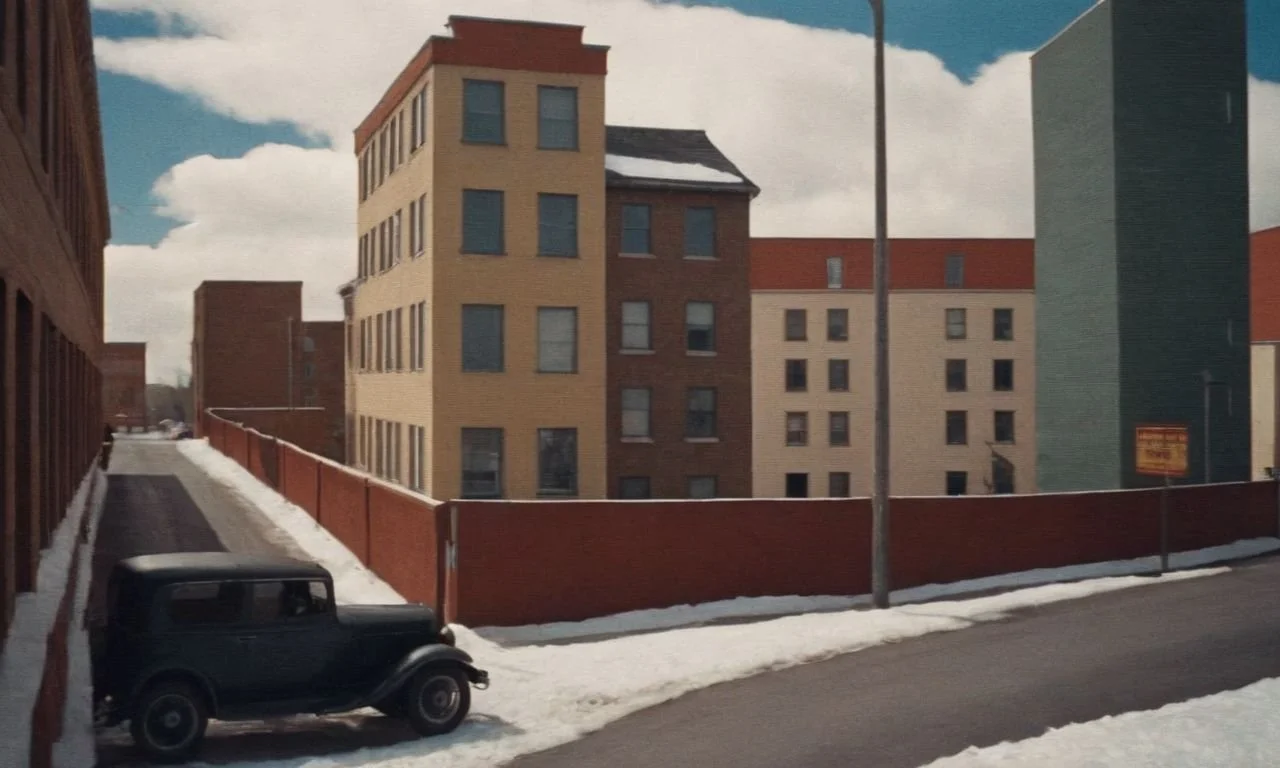
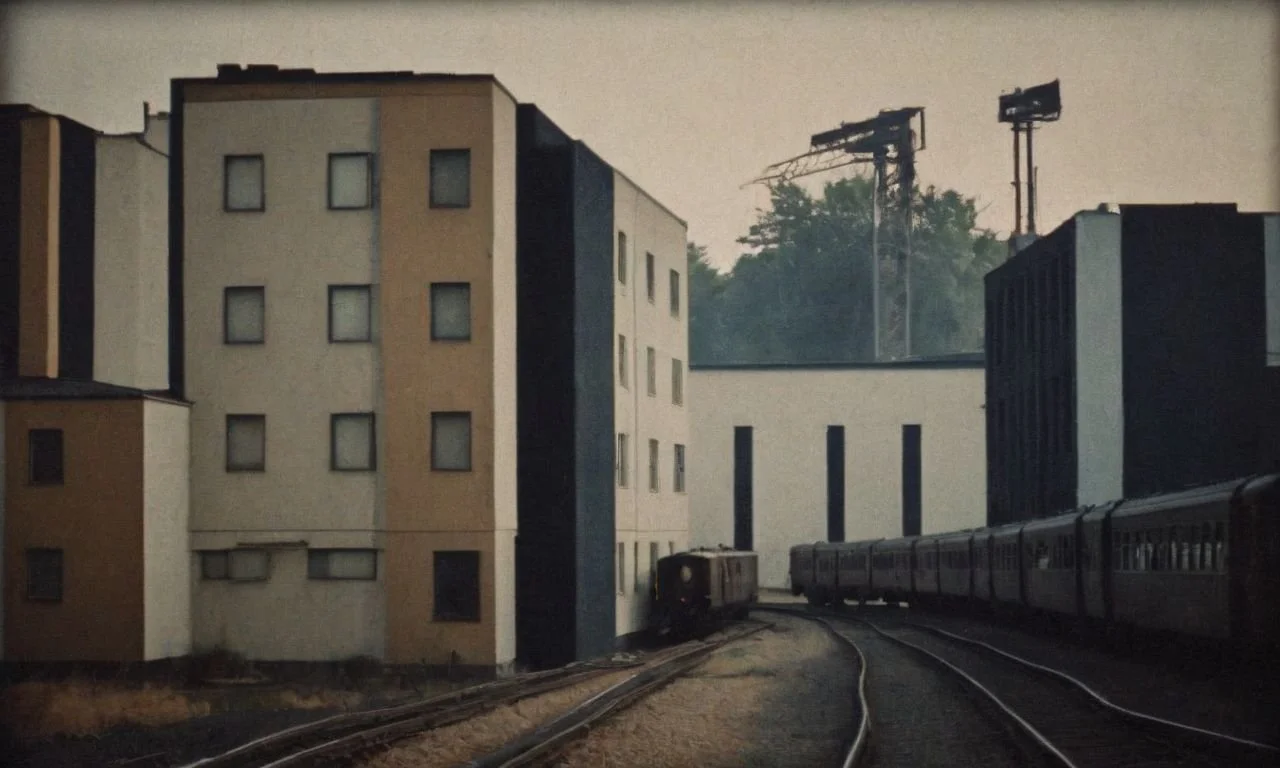
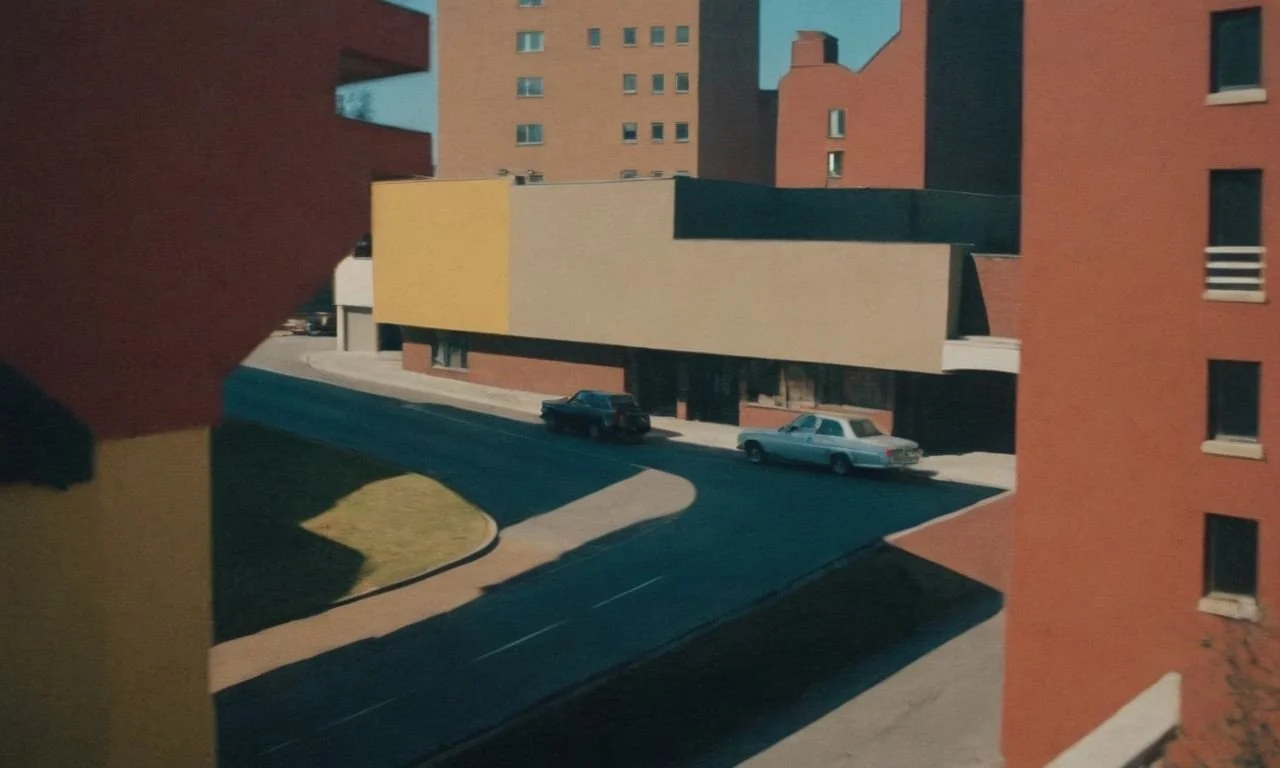
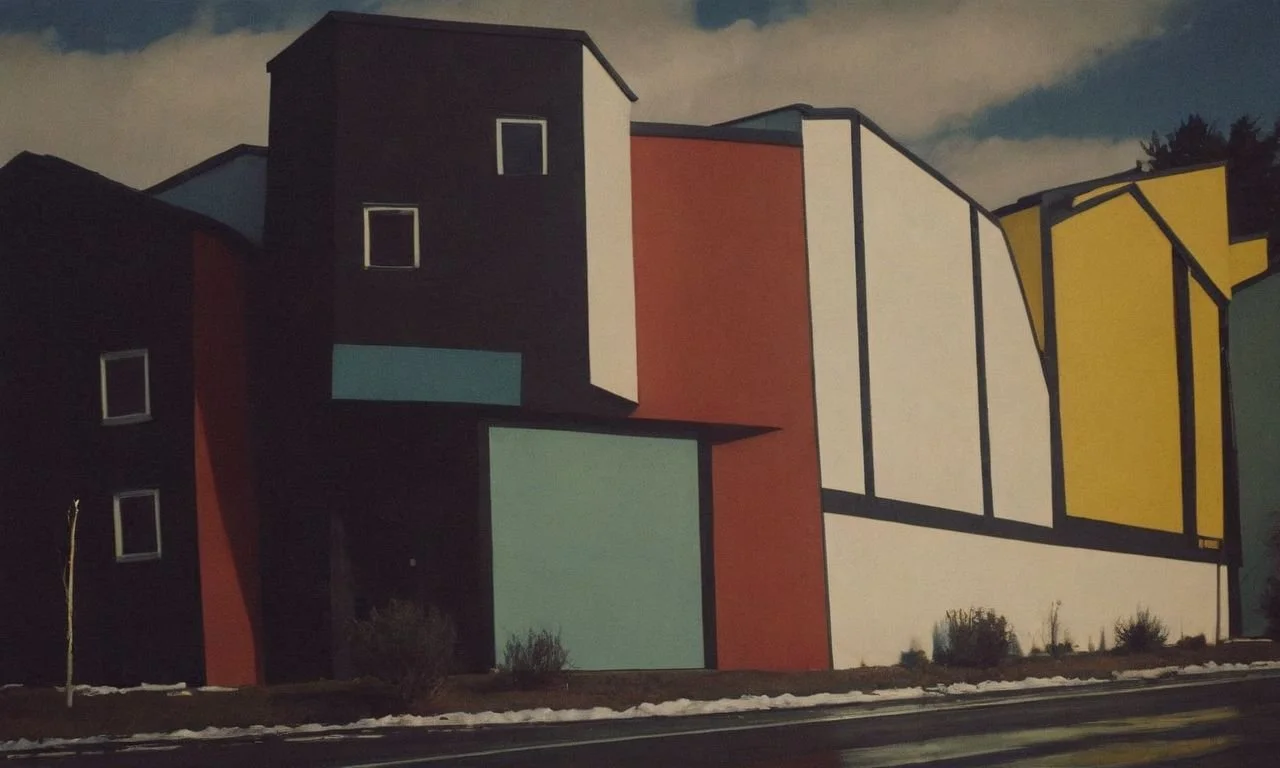
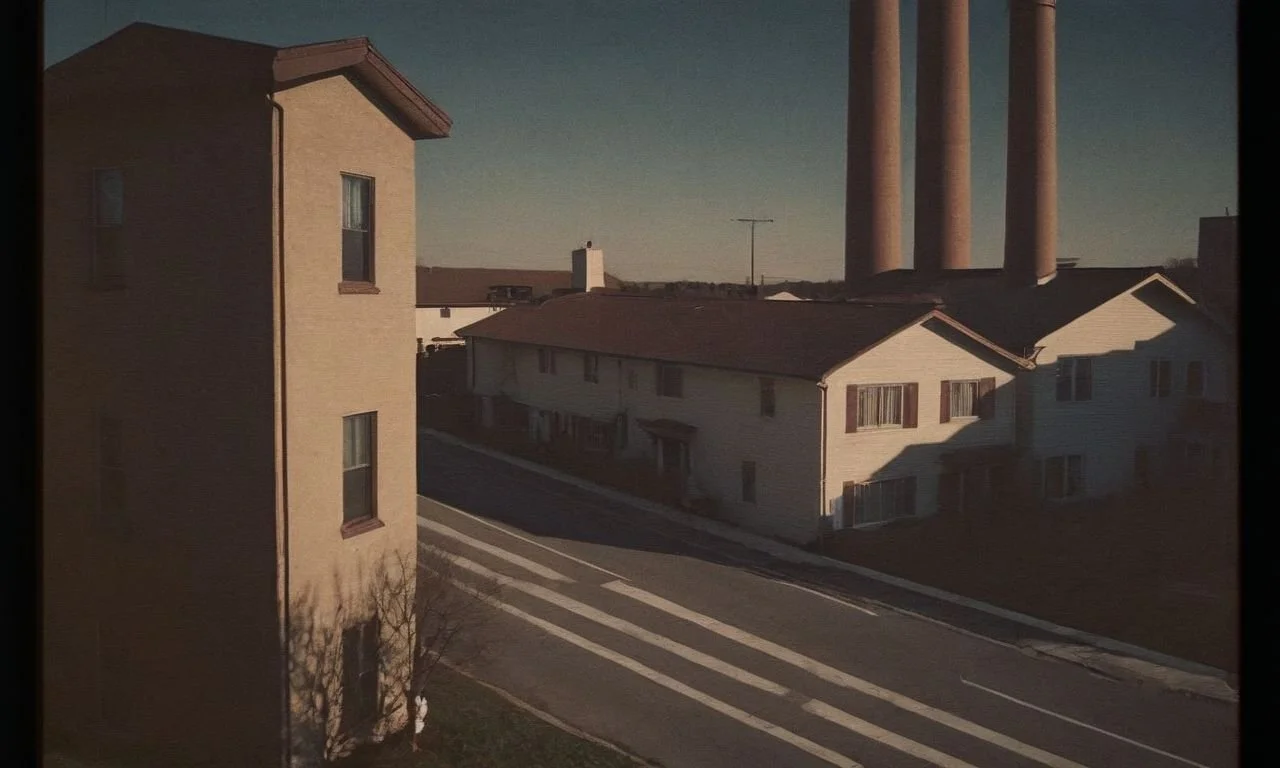
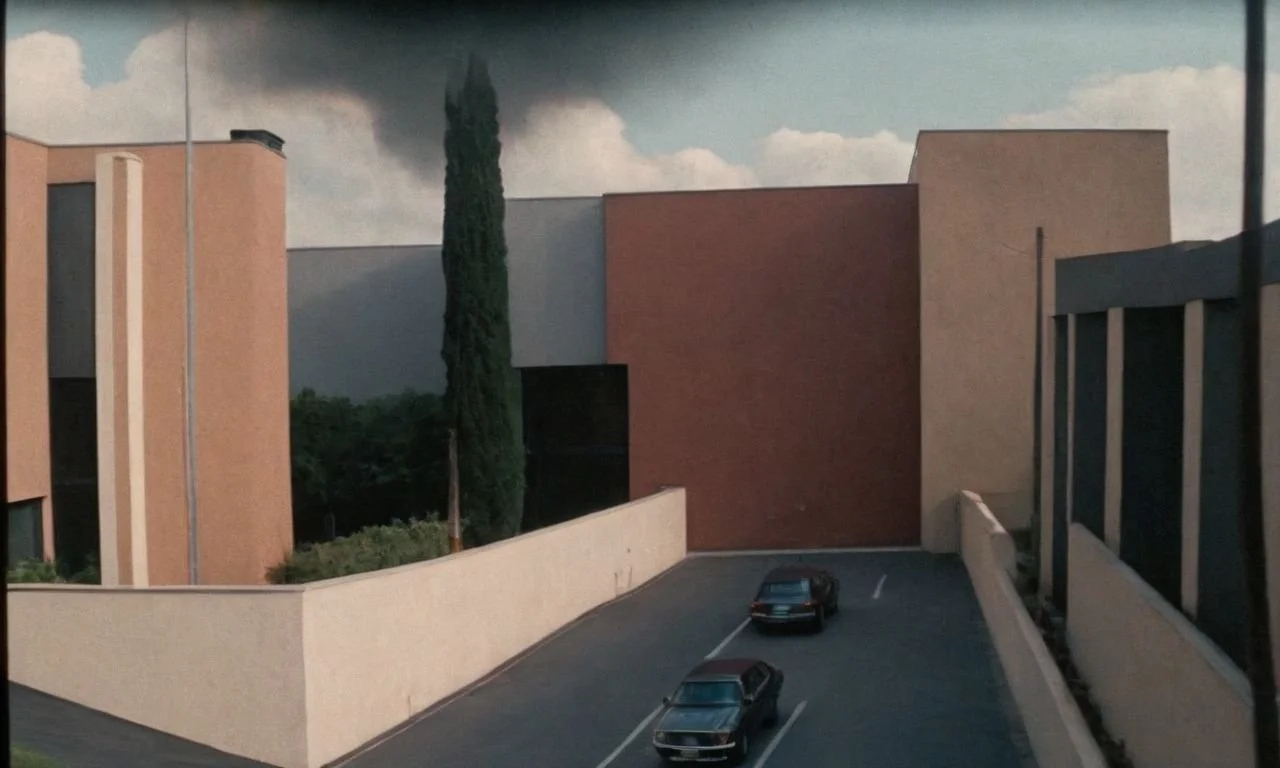
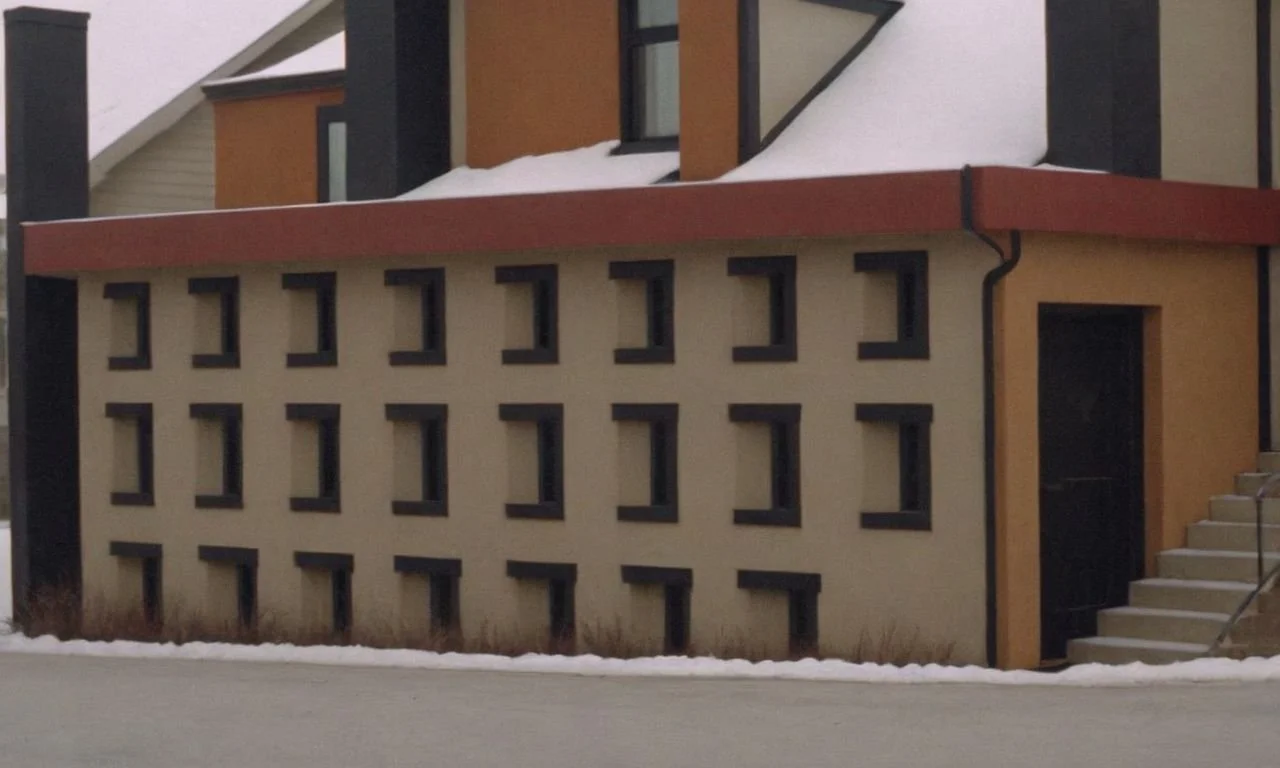
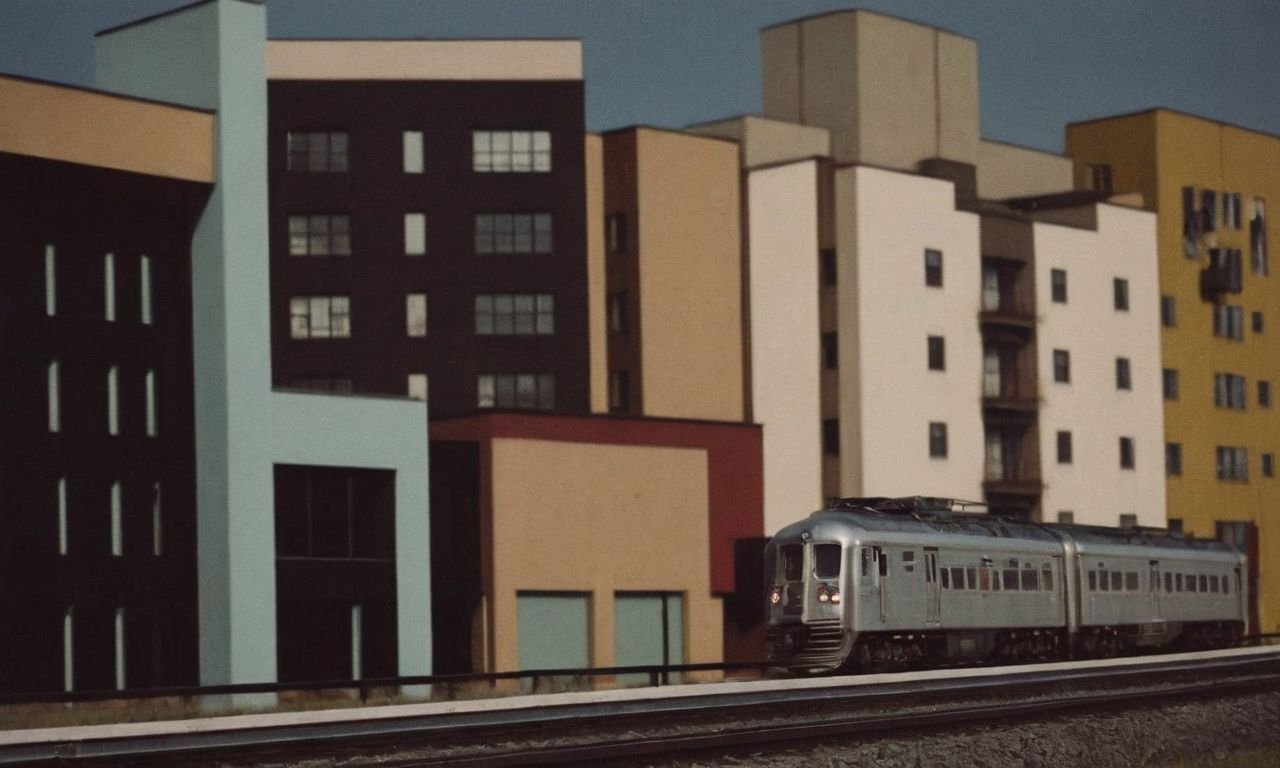
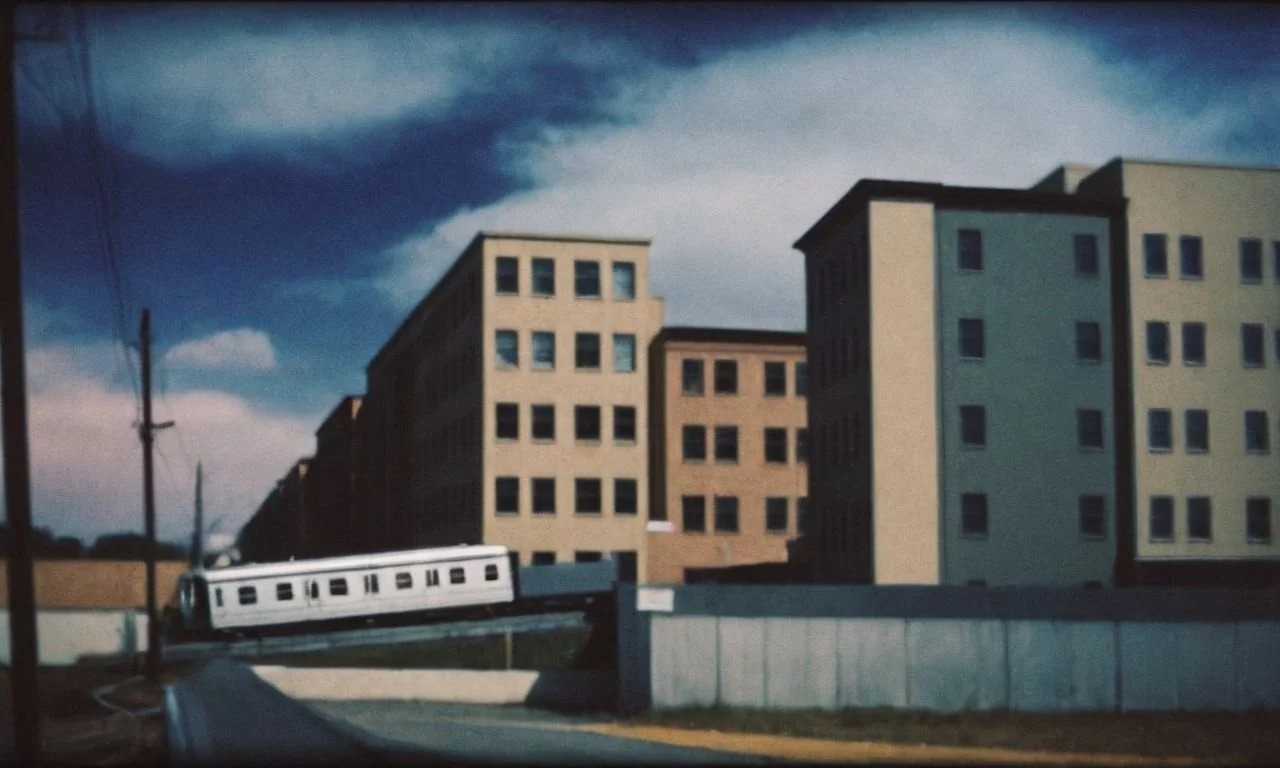
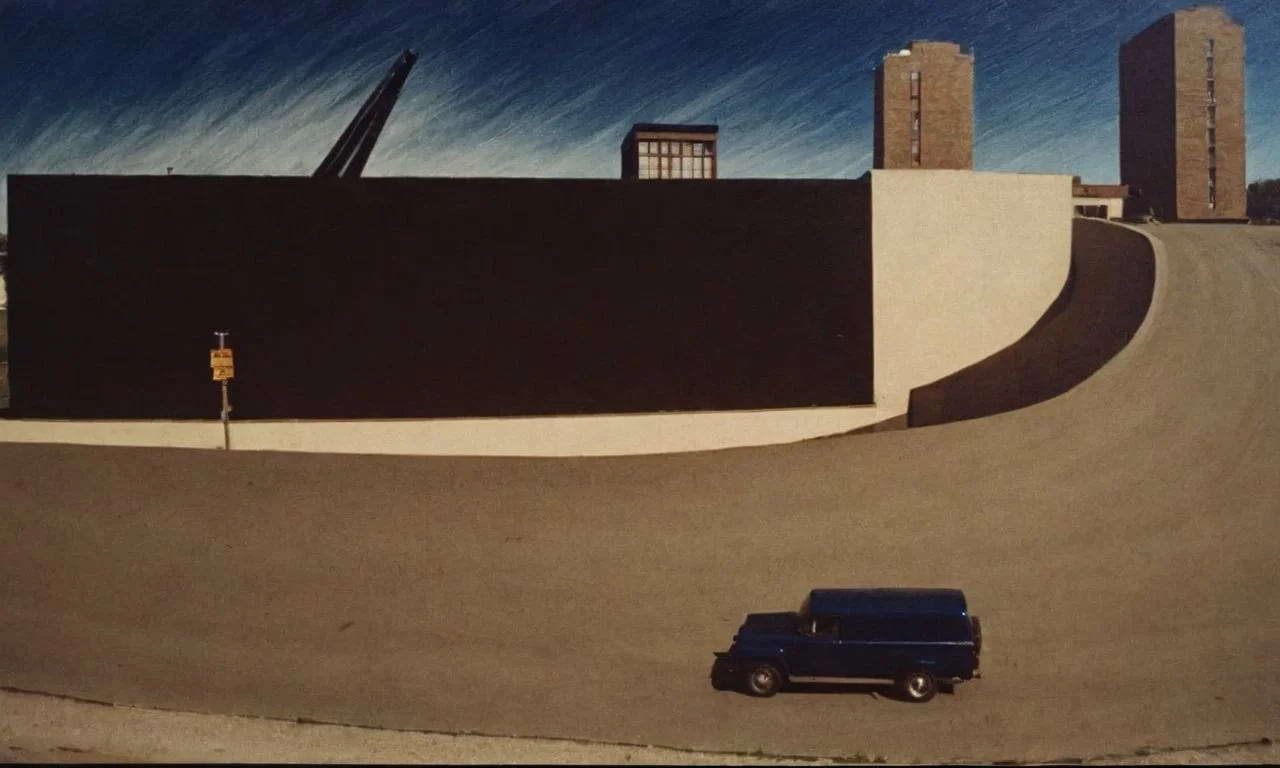
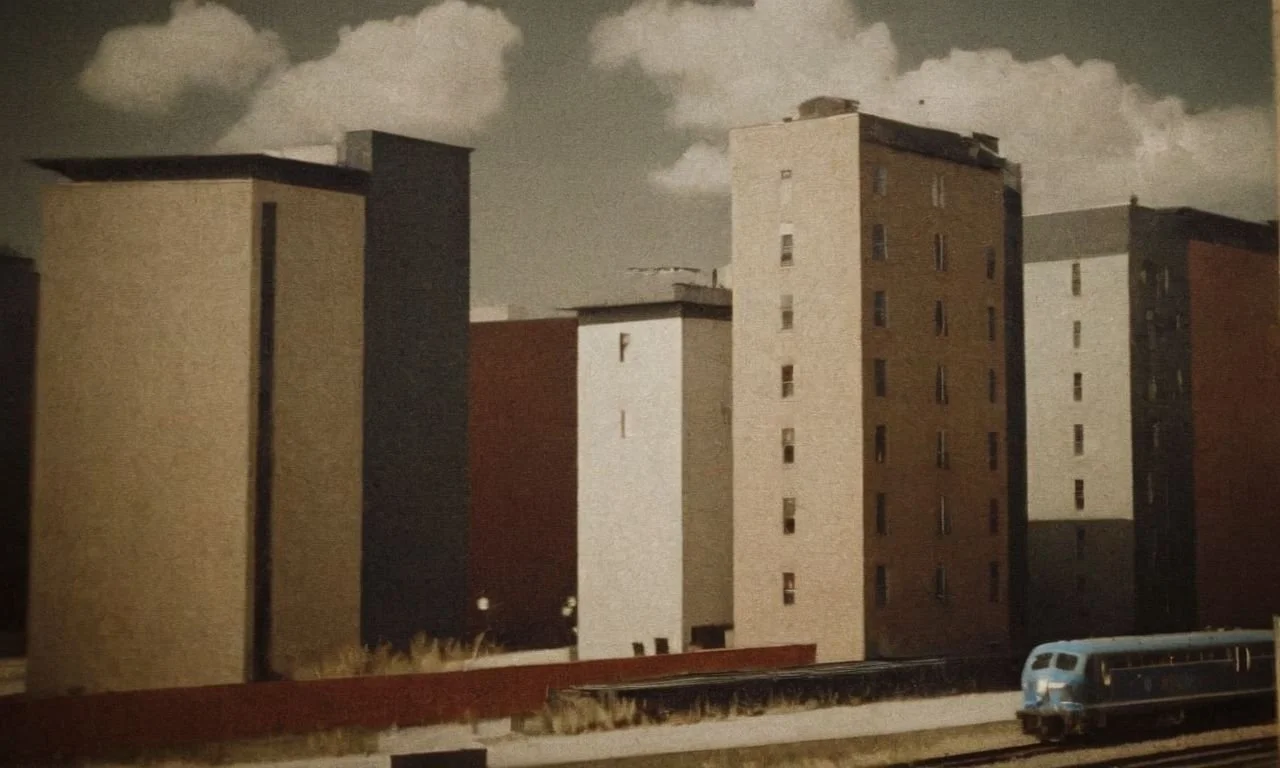
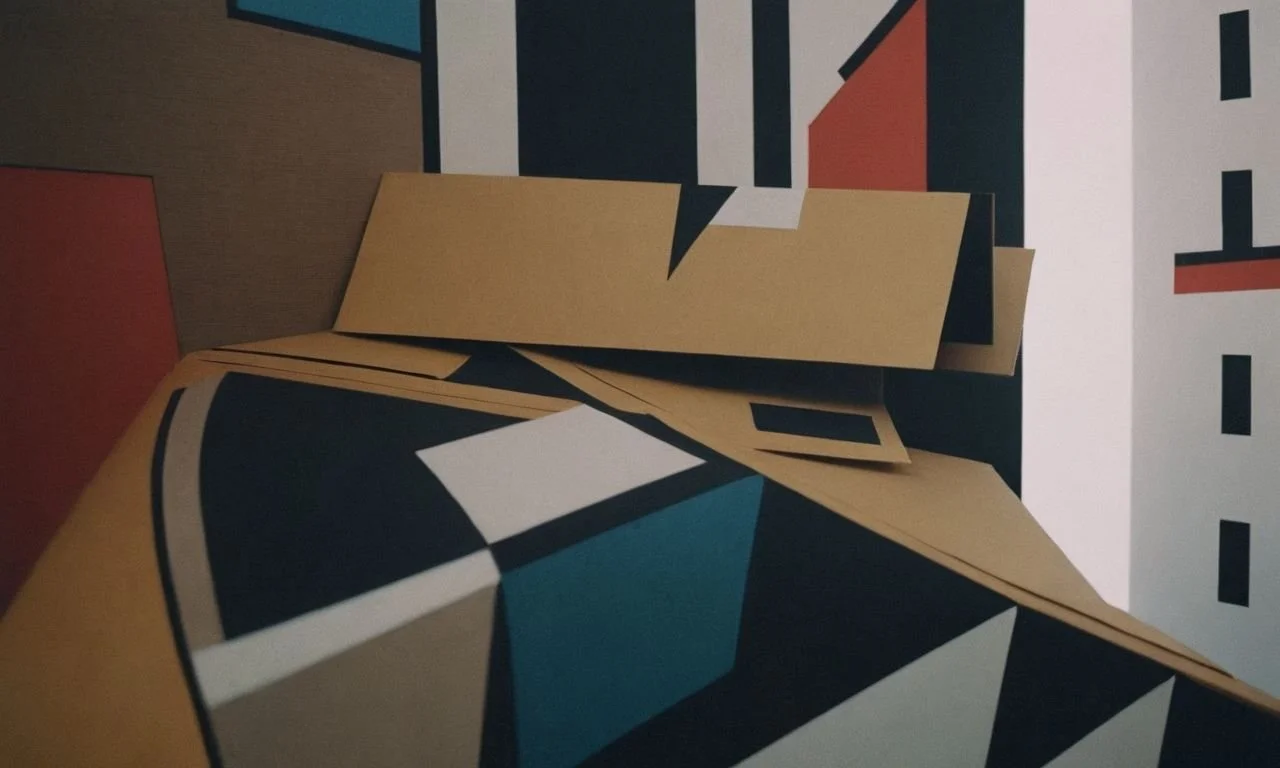
Pretty beauty already knows how to take care of itself. It has filters, creams, sunsets, and excellent public relations.
I am looking for a rougher kind of beauty. A beauty that slept badly. A beauty with its hands in its pockets and the face of a Monday morning.
Sironi interests me because he does not soften the world. He compresses it. He strips it to the bone, then turns the bone into architecture. In his work, the human figure often feels small even when it is large, and the city feels enormous even when it is empty.
That is a useful lesson today, when we photograph everything in order to make it lighter, faster, easier to digest. Sironia tries to do the opposite: slow the image down, make it heavier, let it settle.
Like dust.
Like memory.
Like a building that refuses to collapse simply because it is too stubborn.
Sironia is, then, a small imaginary city. A city made of photographs, shadows, surfaces, volumes, and reworked melancholies. A place where Mario Sironi passes by from the side, never quite entering, but leaving his mark on the wall: dark, monumental, not especially committed to mandatory optimism.
Welcome to Sironia.
Do not smile too much.
The walls might judge you.