
The Geometry of Choice
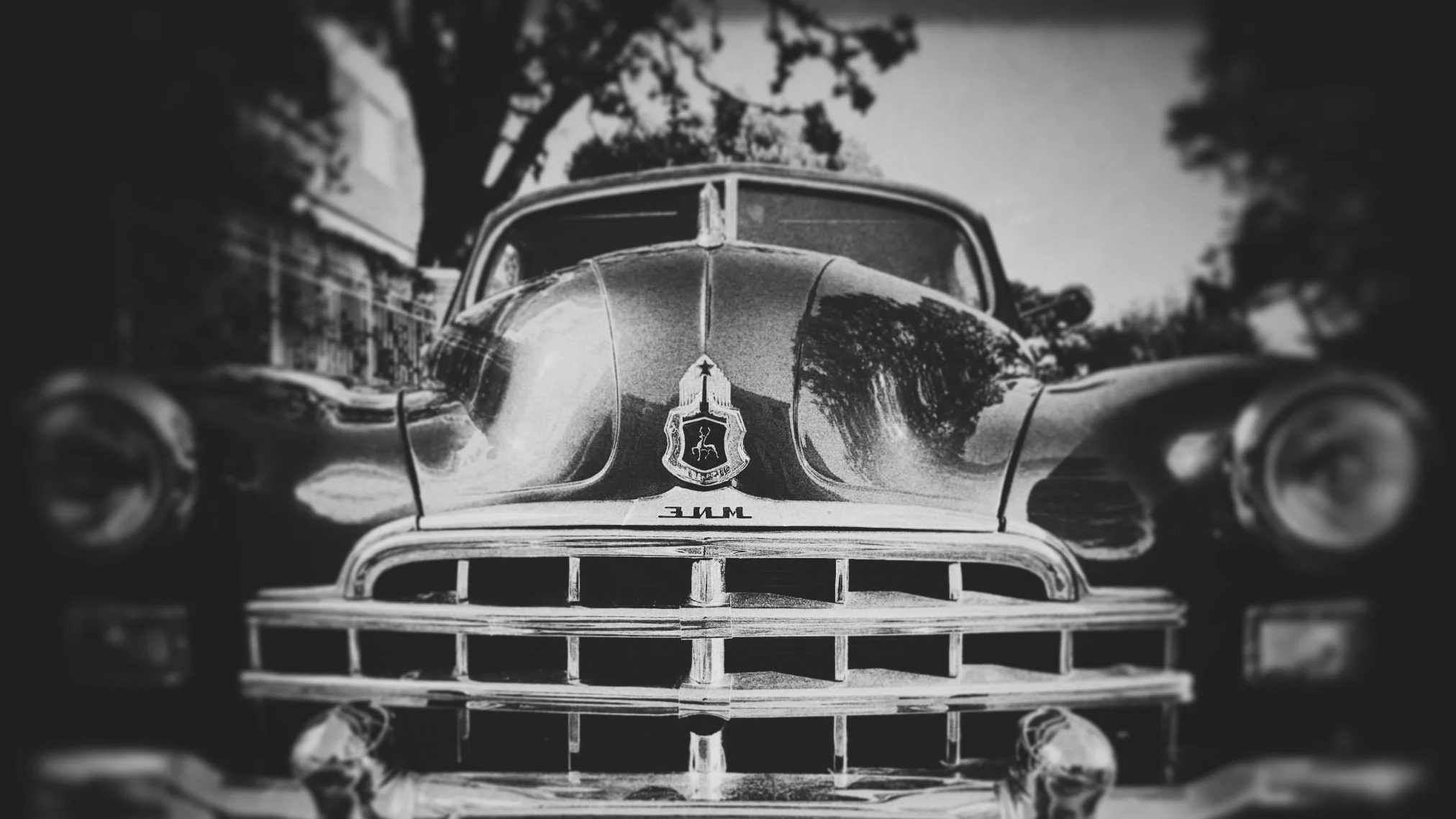
Black and white isn’t nostalgia. It’s subtraction.
You strip away the color and what’s left are the bones. The decisions. Light stops flirting and starts testifying
In monochrome there’s nowhere to hide—either the image stands on structure, or it collapses. White doesn’t comfort. Black doesn’t forgive. Gray is the territory where everything gets negotiated.
And then there’s 1:1.
The square.
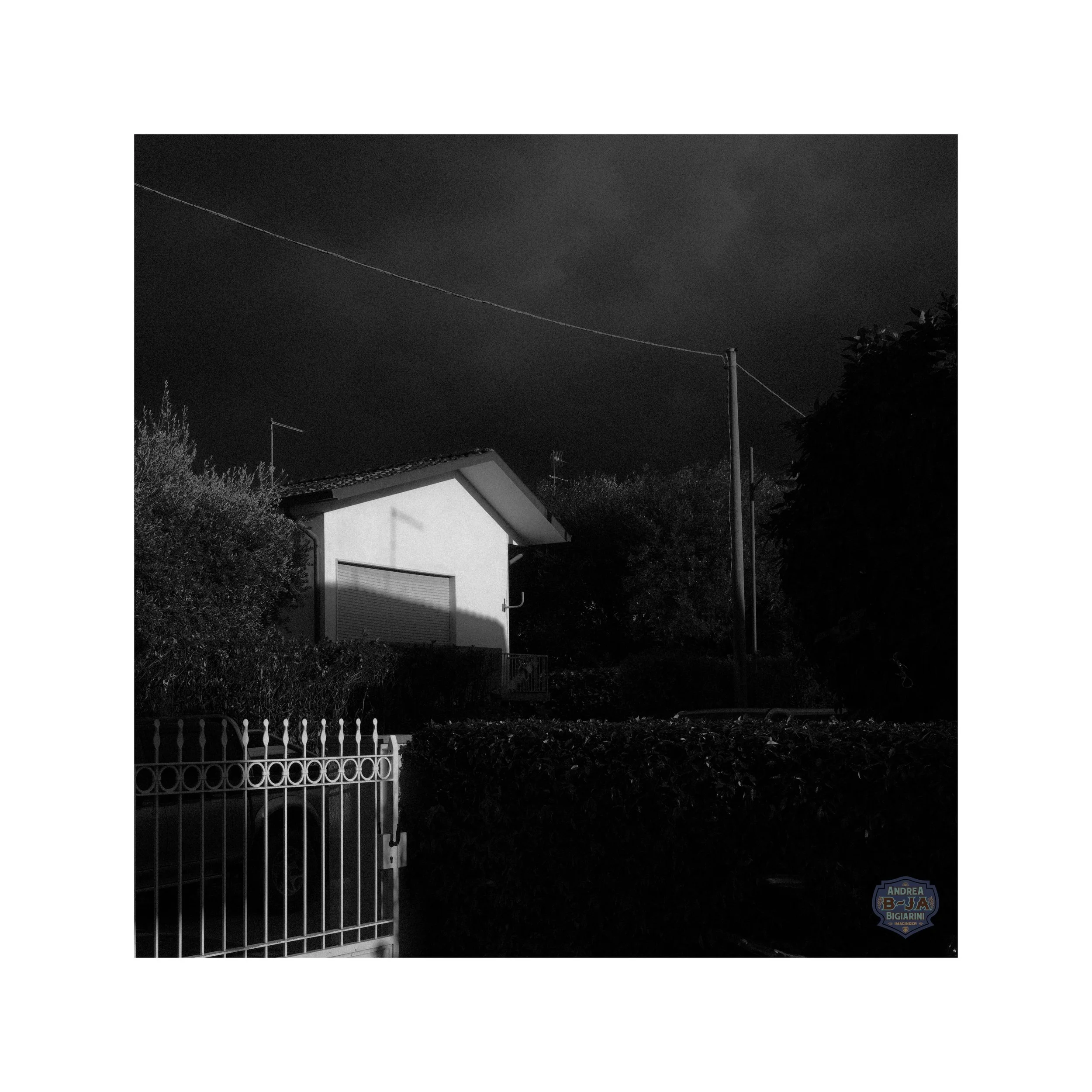
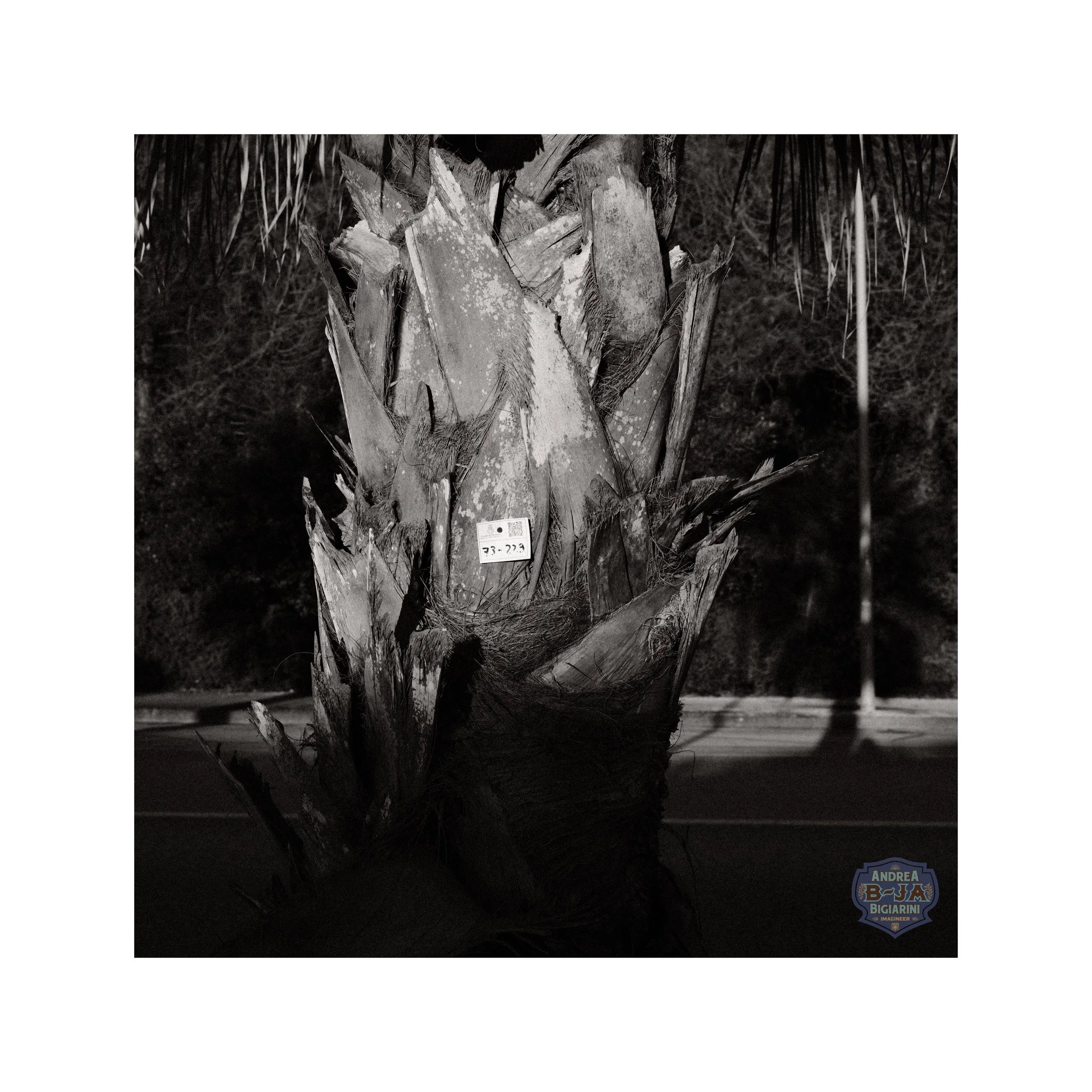
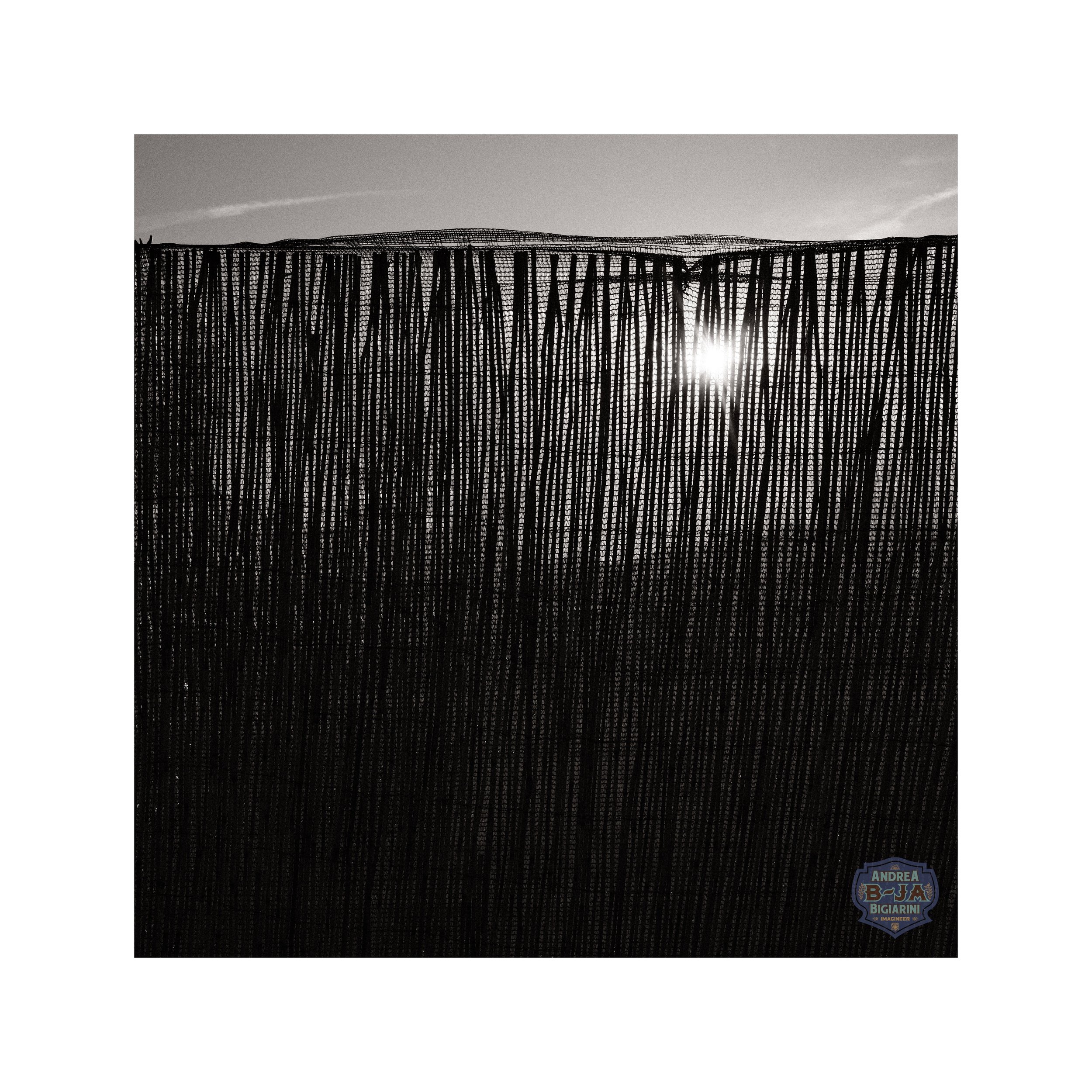
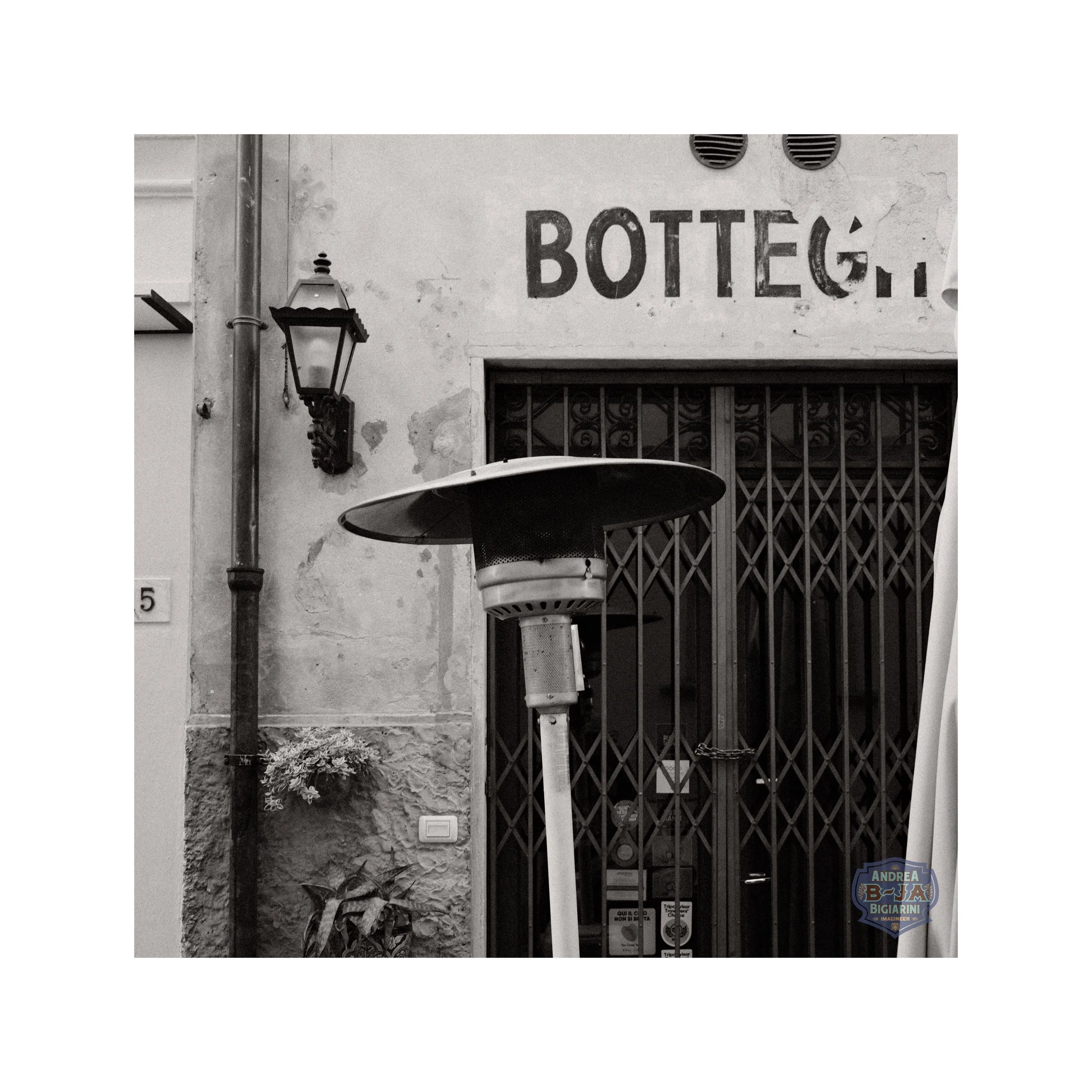
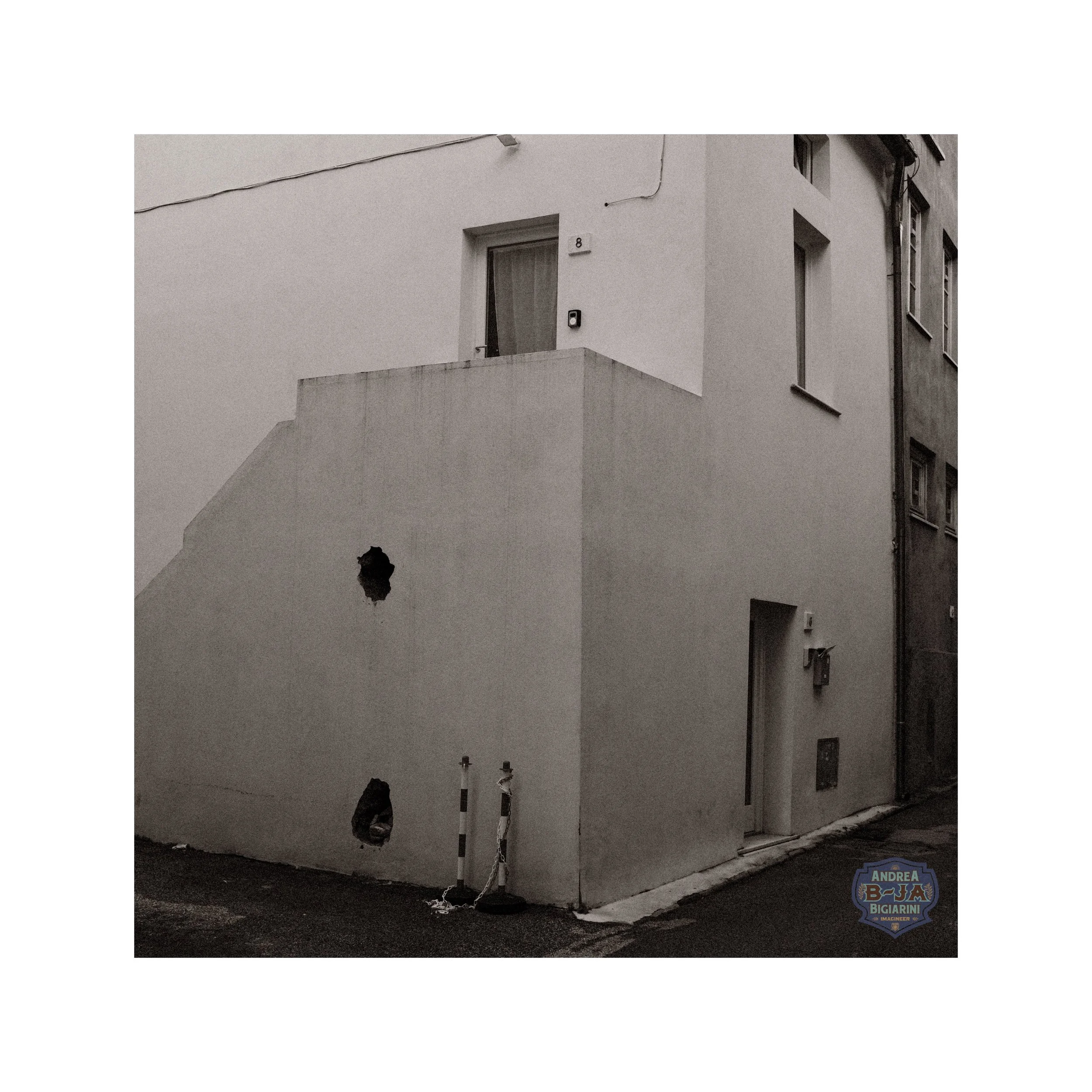
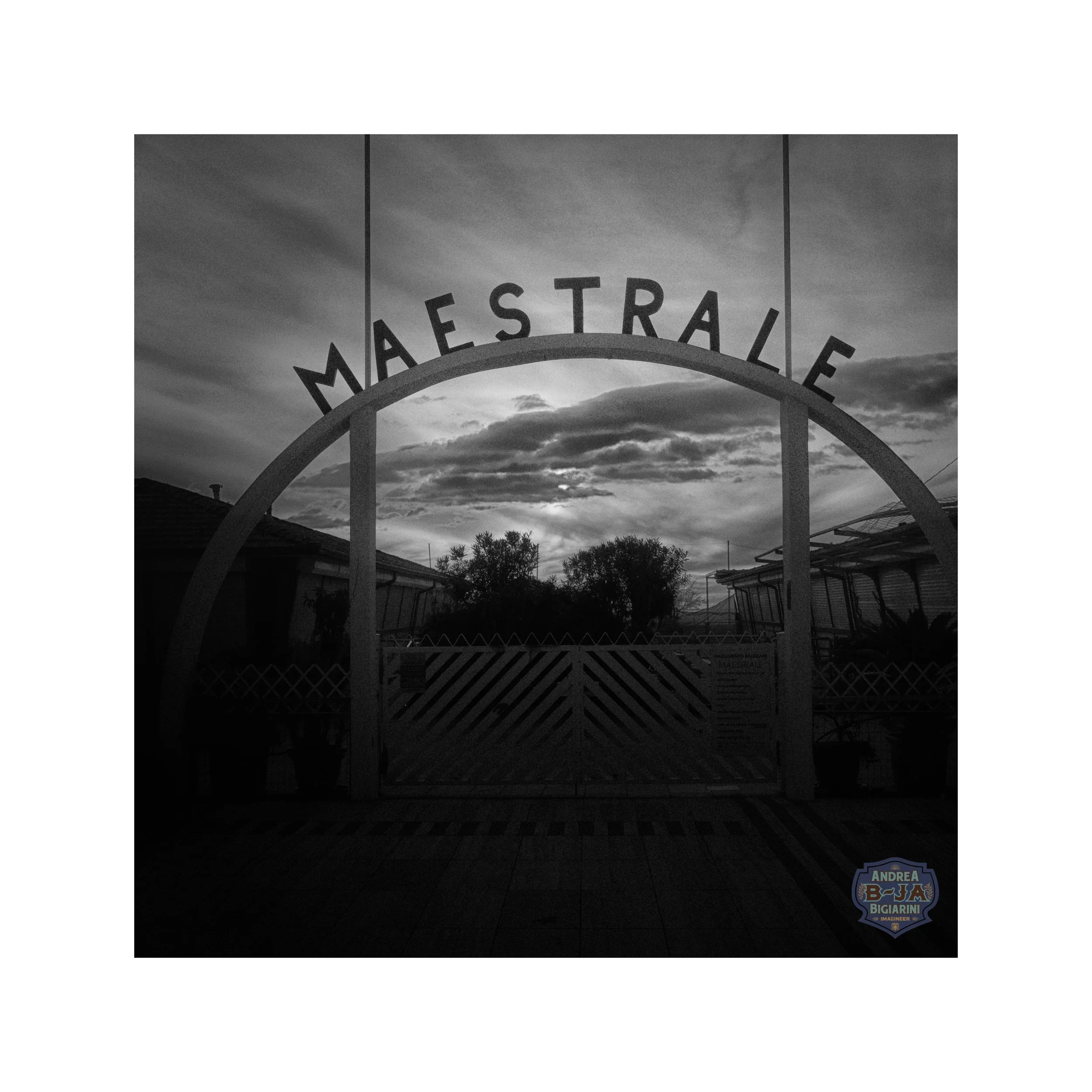
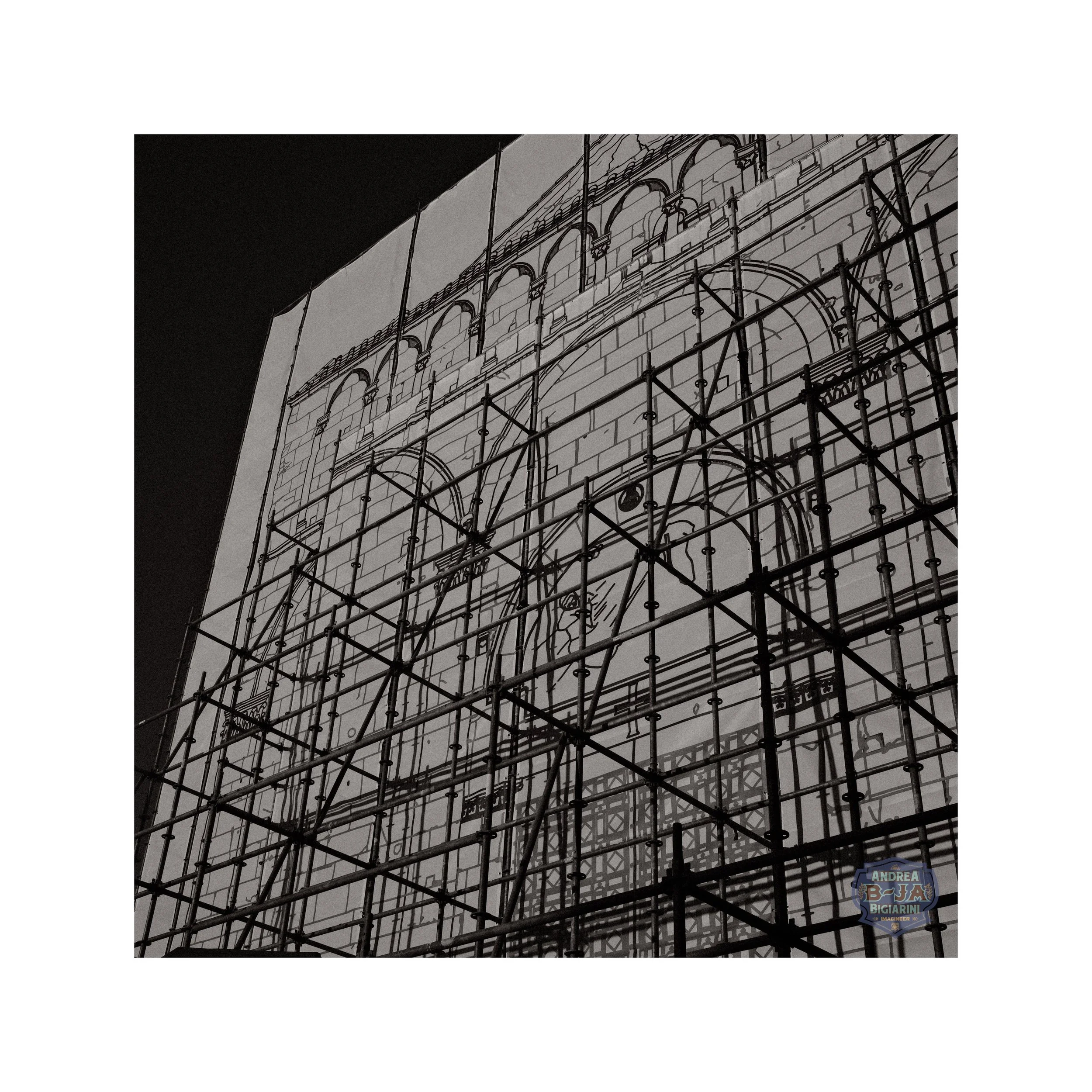
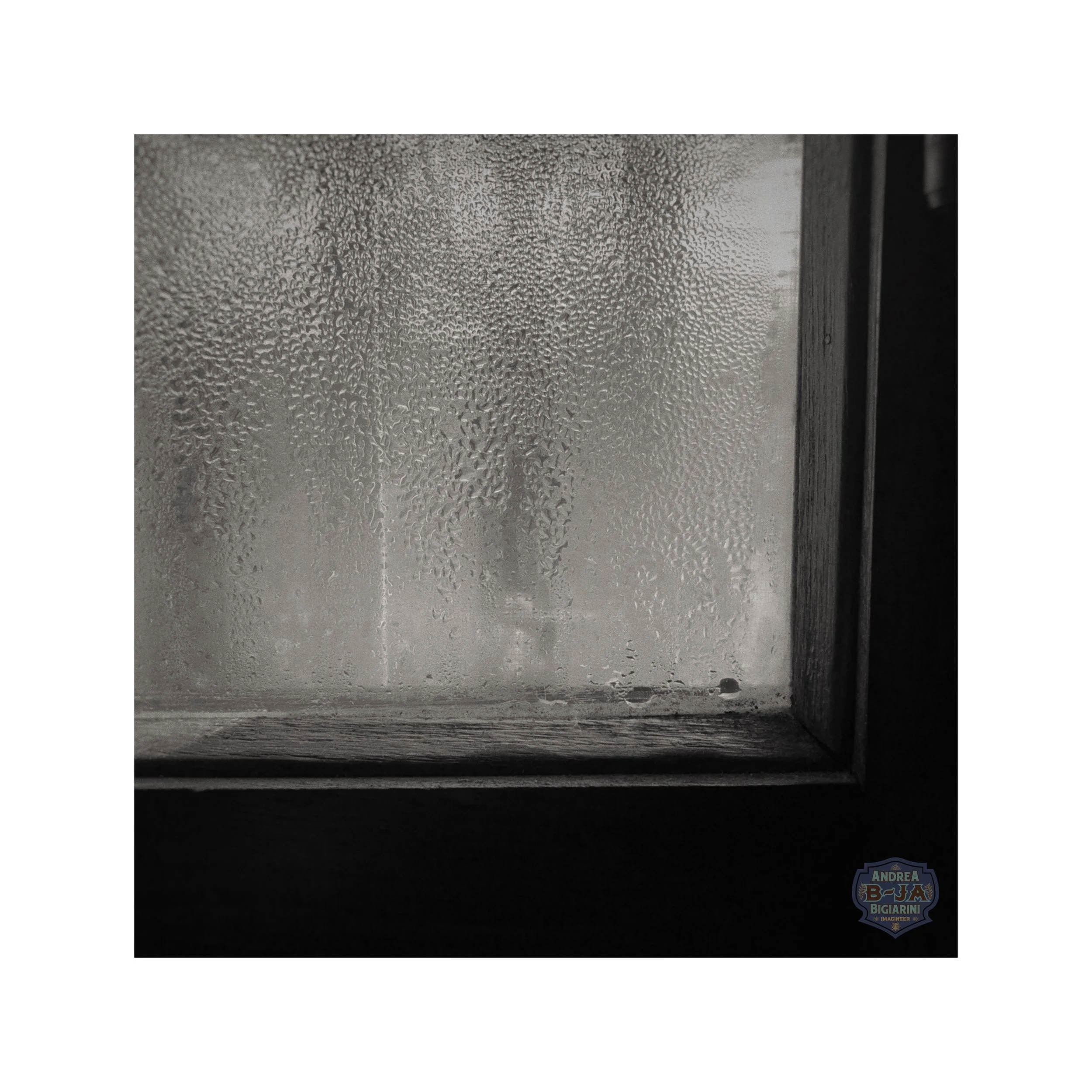
No cinematic escape to the left or right. No wide horizon to drift into. The rectangle lets you run. The square makes you stay. It’s forced balance. Geometric silence.
In 1:1 every element carries weight. Every inch is central. There is no edge that doesn’t matter. The subject can’t hide in the margins. You can’t either.
The square is quantum.
Before you frame it, the scene is everywhere. It could stretch wide, rise tall, spill past the borders. It’s pure possibility—like a wave function that hasn’t chosen its shape yet.
Then you choose the square.
And the infinite collapses.
Click.
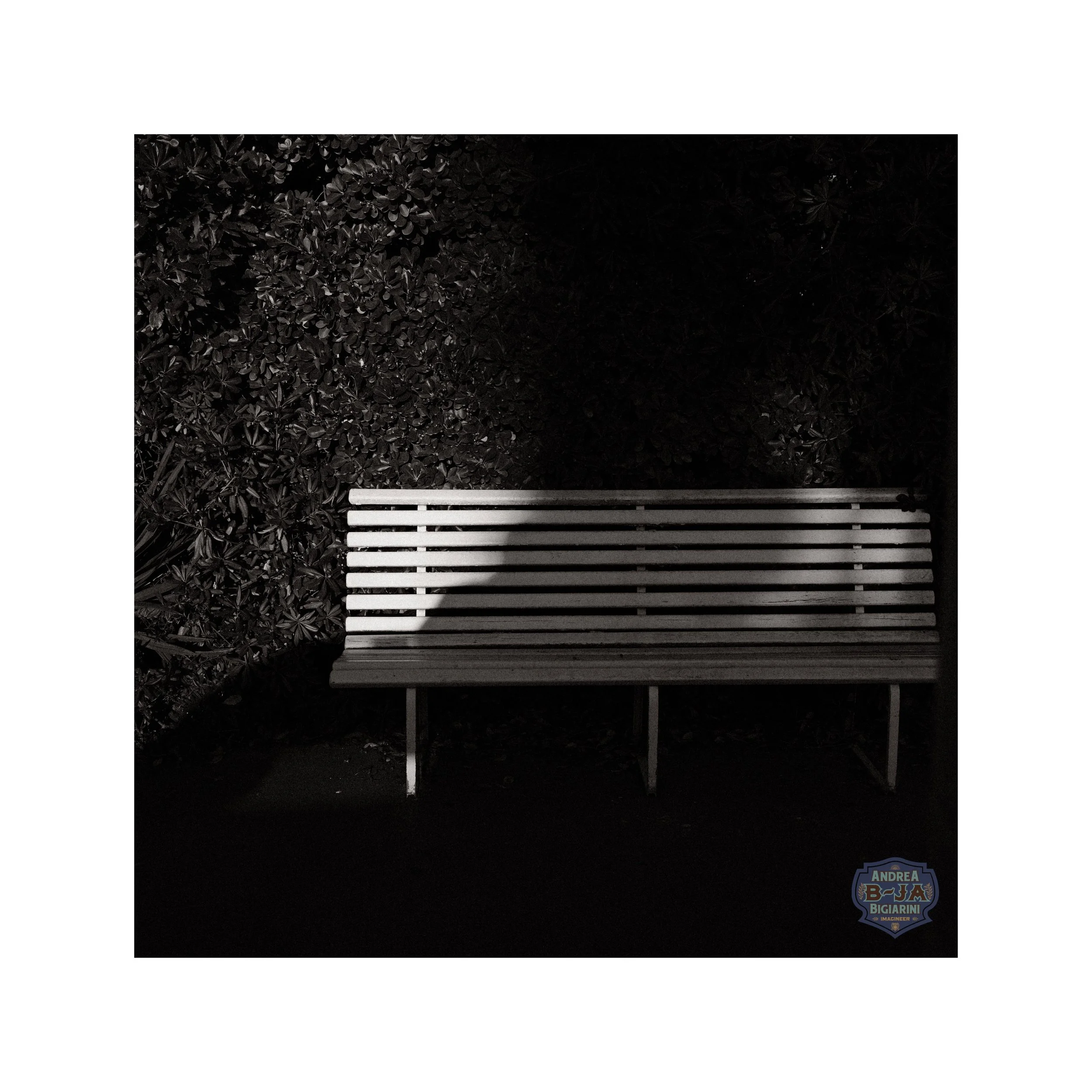
What was expansion becomes compression. What was landscape becomes presence. You’ve imposed symmetry on chaos. You’ve told the world: “Stay here. Inside these four equal sides. Not an inch more.”
The square is a perfect cage.
And that’s why it feels free.
Because in 1:1 you’re not describing how much there is. You’re deciding what matters. It’s less about aesthetics and more about accountability. You cut away the excess. You center the truth.
Black and white strips it down.
The square concentrates it.
Together, they remove your excuses.
And when the excuses are gone, all that’s left is the reality you chose to make visible.