
Against the Perfect Photo

Against the Perfect Photo
If I wanted perfect photos, I’d use my 5 Fujifilm cameras.
At some point, the iPhone camera stopped taking pictures and started lying.
Too much sharpness. Too much polish. Too much correction. Every image stretched, scrubbed, sanitized. Every shot turned into some kind of tech demo for people who mistake detail for vision.
I got tired of that.
Lately I’ve been using three apps: Mood Camera, No Fusion Camera, and Moment Pro Camera II. Three different apps, one thing in common: they strip away that plastic-coated look the iPhone keeps slapping onto photos. And more importantly, they do something that now feels almost radical: the images look like they were taken with an actual camera. Not with a phone having a control freak episode.
Mood Camera
Mood Camera is pure instinct. You open it and almost immediately stop thinking about the app. You start thinking about light.
It doesn’t blast you with that manic smartphone sharpness. It leaves room for air, edges, imperfection. The photo doesn’t look “improved.” It looks alive.
And it has one crucial feature: you can build complex presets. Not a filter. Not a gimmick. A language. Your own rendering. Your own signature.








No Fusion Camera
No Fusion Camera starts from a simple rejection: iPhone oversharpening has become unbearable.
Leaves, hair, skin, walls—everything treated like it has to scream. No Fusion turns that noise off. It leaves the image alone. And that’s exactly why it feels more believable.
Here too, you can build complex presets. You’re not just picking a look. You’re building continuity, taste, identity. And you can import LUTs. The results are gorgeous. Not “wow effect” gorgeous. Better than that: body, atmosphere, weight. The image stops looking processed and starts looking photographed.









Moment Pro Camera II
Moment Pro Camera II goes straight for the real issue: it gives control back to you.
And that’s what iPhone photography has been missing for years. The phone decides too much. It decides contrast, it decides tone, it decides what your memory is supposed to look like. You press the button. It assumes it knows better.
Moment Pro Camera II cuts through that nonsense. It puts the choices back in your hands. And once the choices come back, so does the risk. You have to adjust. You have to understand. You have to fail. You have to be there. You can import LUTs here too, and the results are gorgeous here too. Not because they look flashy, but because the image holds together. It breathes. It has a presence the native camera can only dream about.






The point
Mood Camera, No Fusion Camera, and Moment Pro Camera II do not do the same thing. But they are fighting the same disease: the obsession with the perfect photo.
I do not want that perfection. If I wanted perfect photos, I’d use my 5 Fujifilms.
What I want from the iPhone is something else. Speed. Proximity. Instinct. I want images that look like photographs, not renderings. I want less algorithm and more eye.
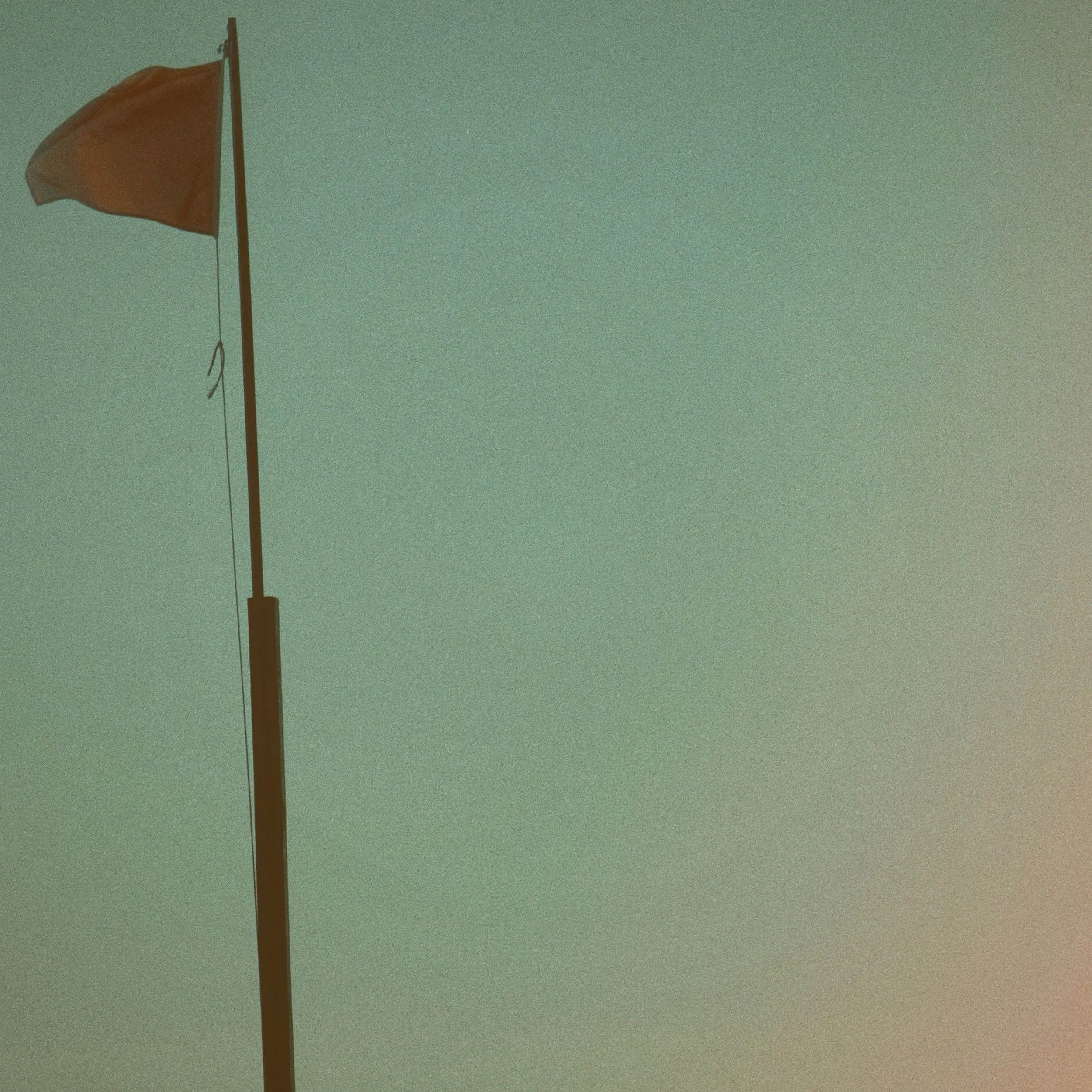
The photos in this post come from that place. They are not a technical test. They are not a lab comparison. They are not pixel-peeper porn. They are only memories.
They are just images where, for once, the iPhone stopped getting in the way.
Less software. More seeing.