
Mood Camera & Fiumetto
Fiumetto, Mood Camera, and the Healthy Humiliation of the Perfect Photo
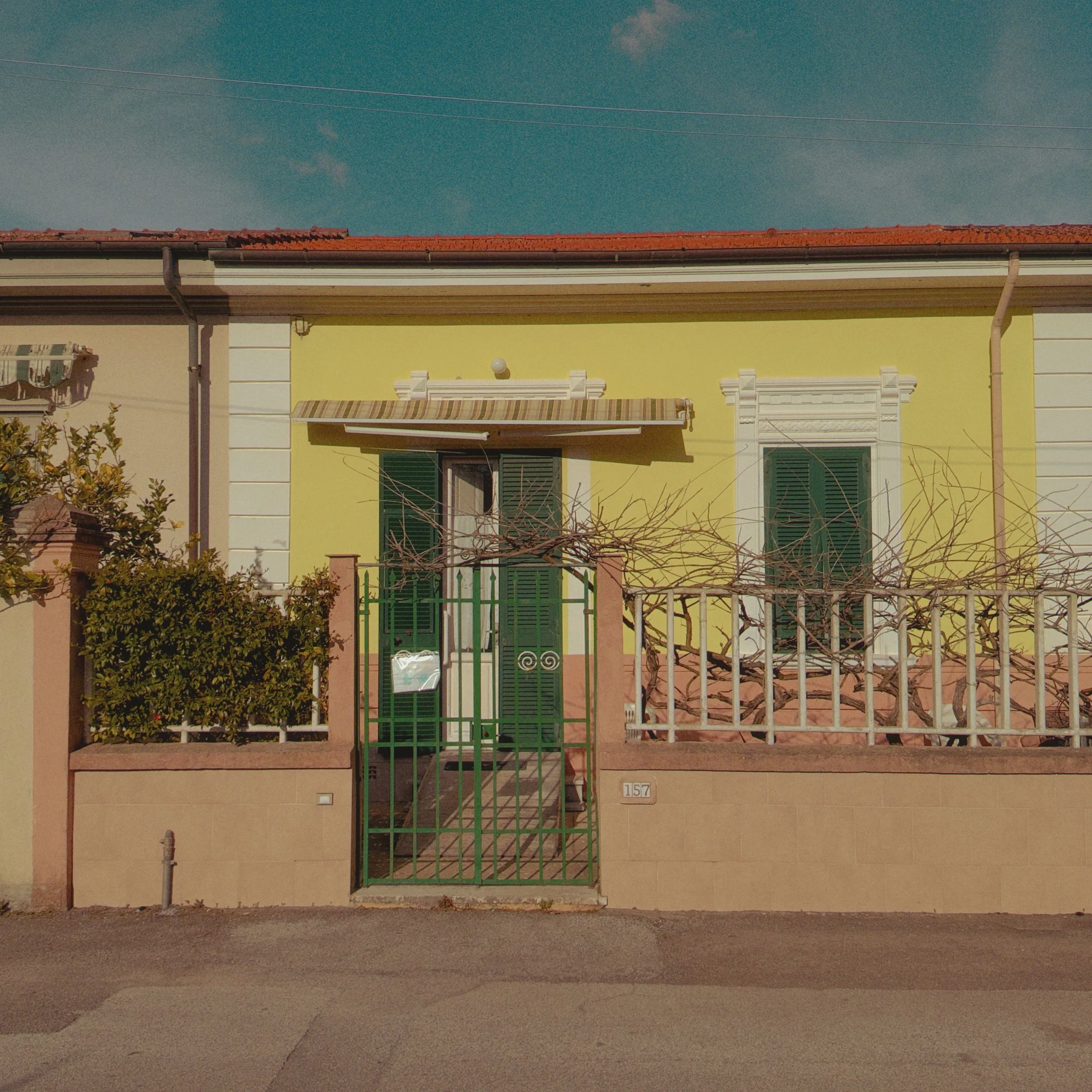
Today I took Mood Camera for a walk through Fiumetto, a seaside town in Versilia, to see whether it really delivers on its promise or whether it’s just another well-packaged app selling nostalgia as a filter.
Thankfully, it delivers.
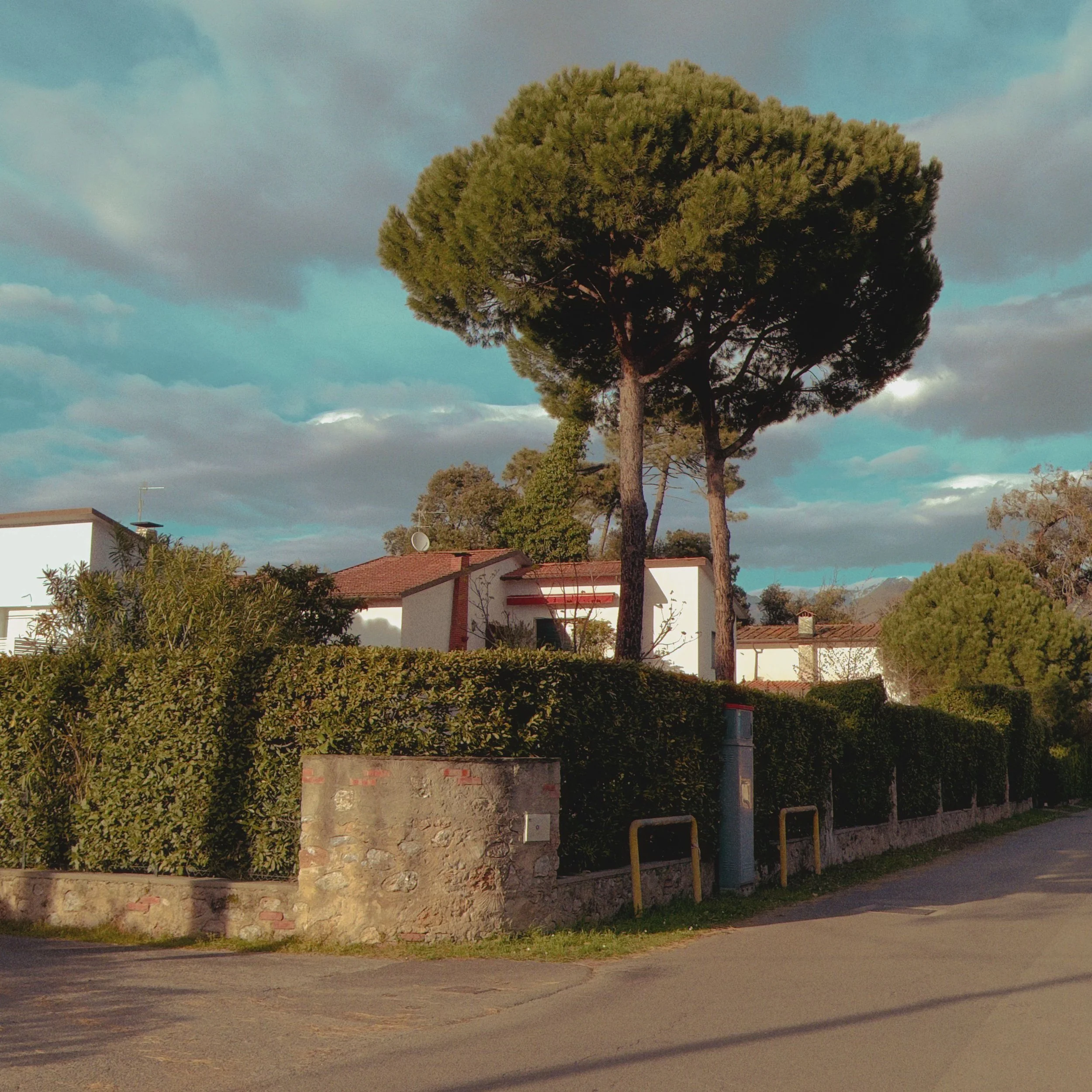
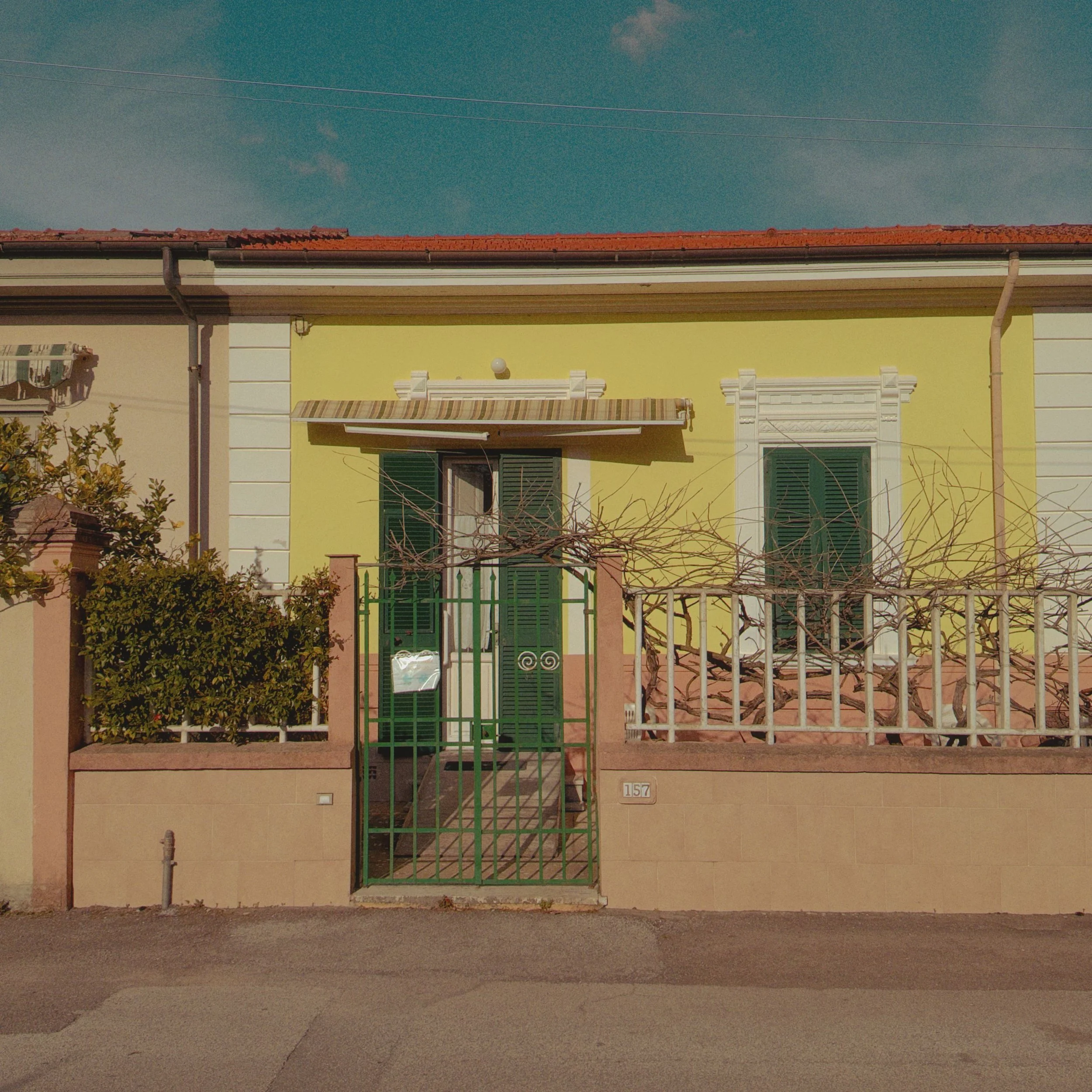
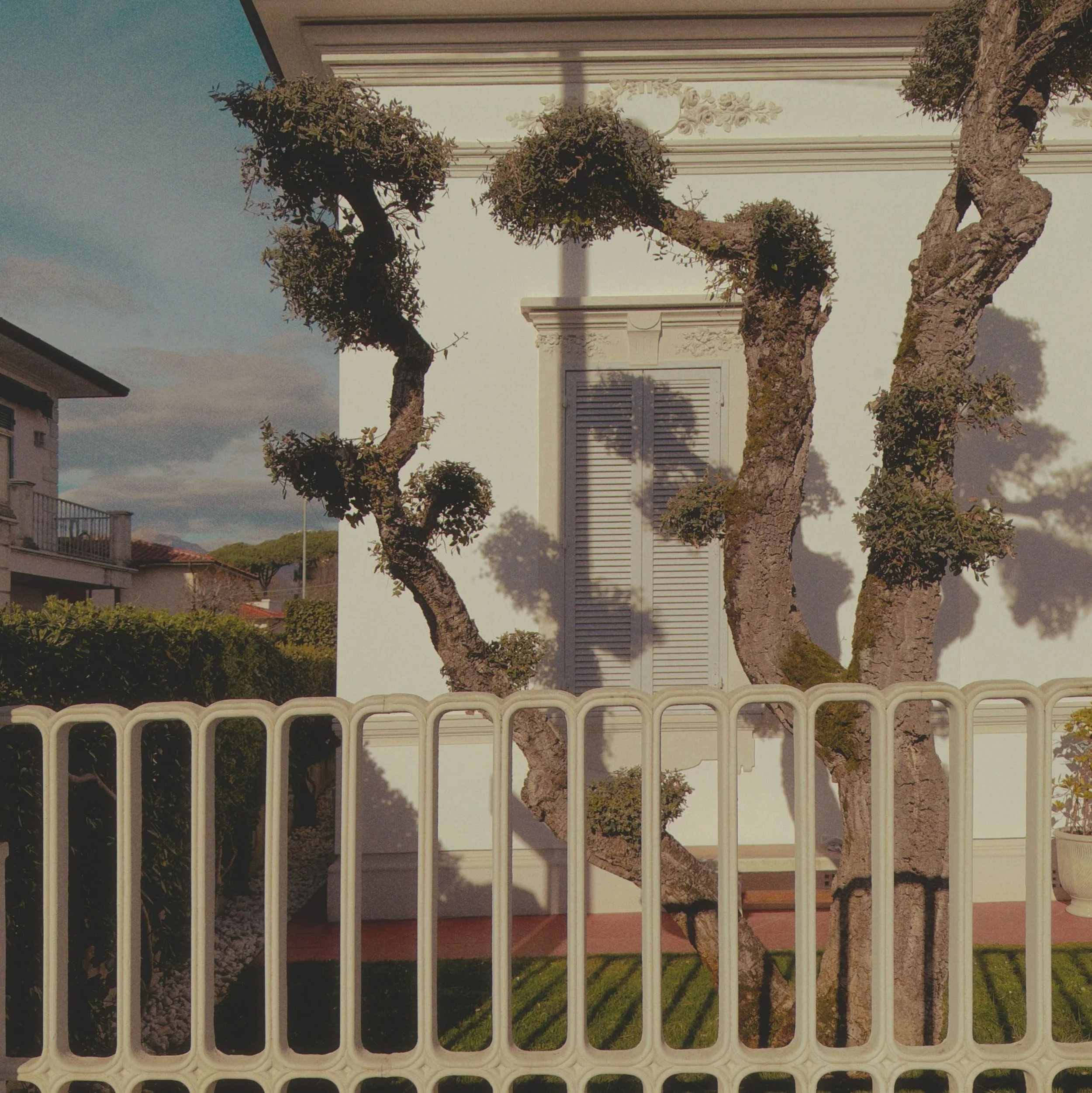
Fiumetto was the right place for it: bright coastal light, quiet streets, trimmed hedges, sunlit facades, bicycles leaning around like they’ve given up on ambition. The kind of place that can easily turn into a catalog of surfaces with the wrong camera. With the right one, it still feels like a place.
That is where Mood Camera works for me.




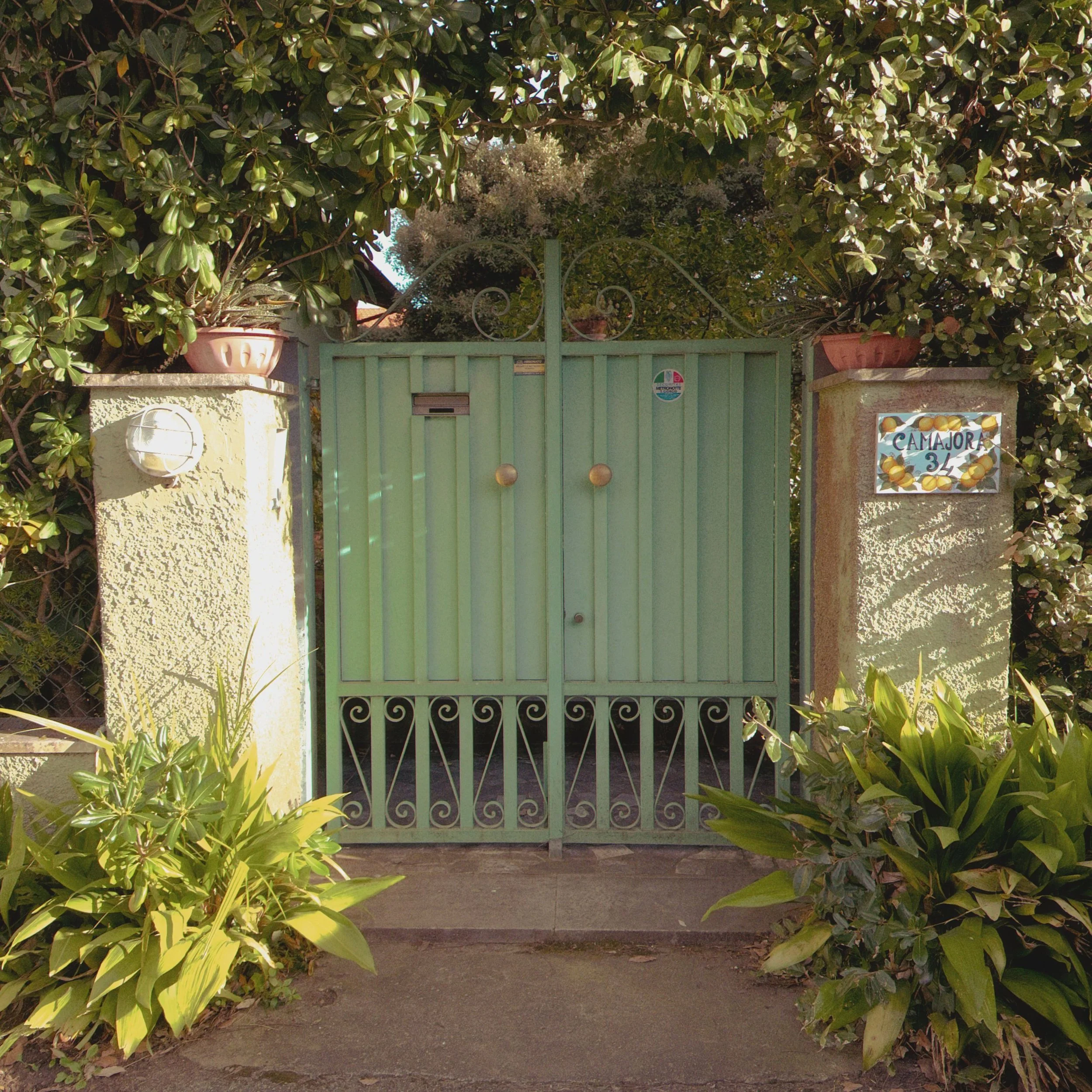
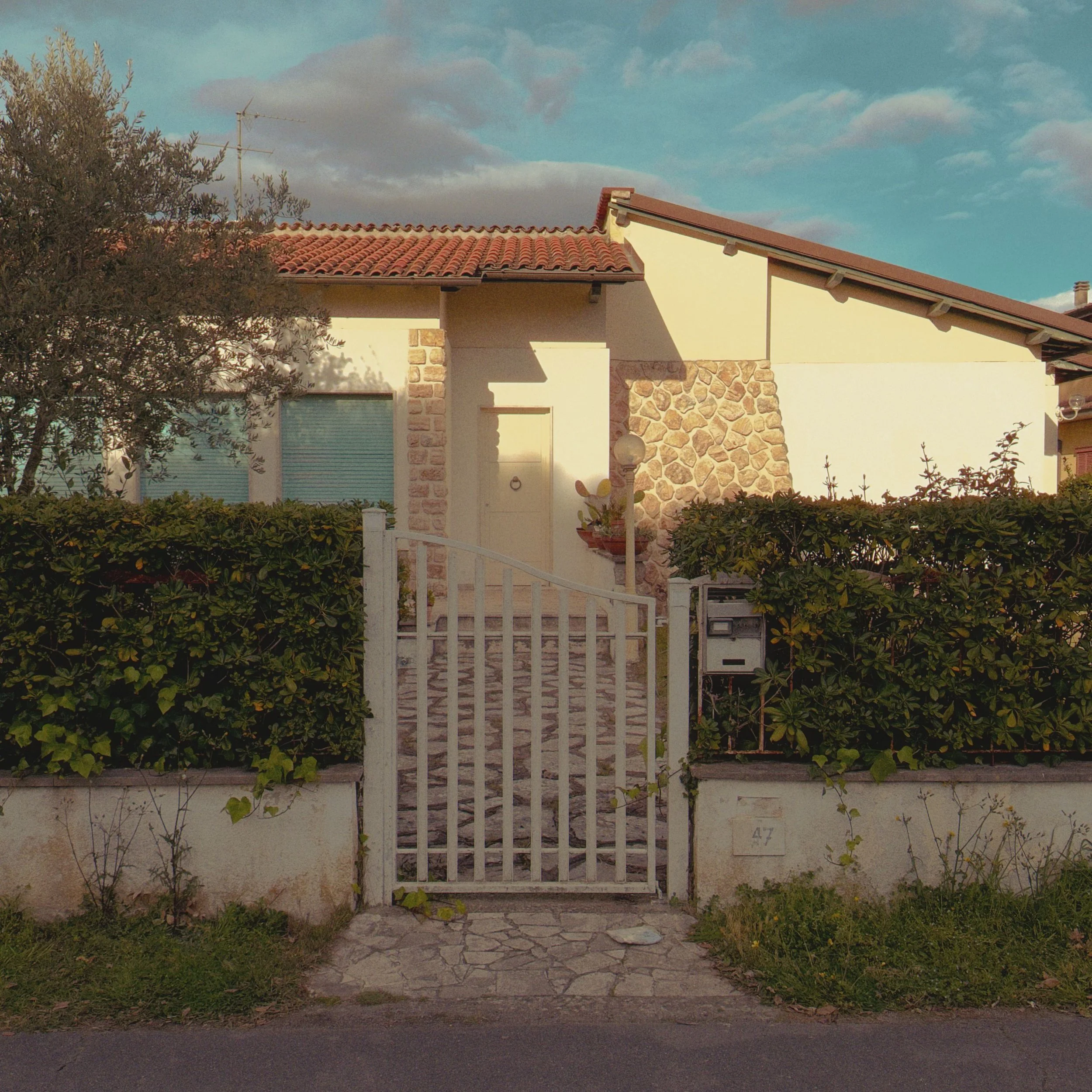
Not just because of the results, but because of the philosophy behind it. You can feel that it was built as a reaction against the direction smartphone photography has taken: sharper, cleaner, more processed, more eager to show everything. Every wall has to look carved. Every leaf needs a résumé. Every shadow has to be opened up and interrogated.
At some point, a photo stops being a photograph and starts looking like an inspection report.
Mood Camera moves the other way. It does not chase technical perfection. It goes after character, atmosphere, and surprise. It is less interested in extreme digital sharpness and more interested in making images that feel alive. That is what I find so compelling about it: the photos have soul. They do not look clinically optimized. They look felt.
Walking through Fiumetto today, that difference was obvious. The pale buildings stayed soft instead of sterile. The greens did not look artificially boosted. The light did not attack the image the way so much phone photography does now, as if detail alone were enough to make something beautiful.
It isn’t.
Detail is detail. Beauty is something else.
What Mood Camera seems to understand is that photography does not have to explain everything. Sometimes it is better when an image suggests rather than proves, when it leaves a little room for mystery, texture, and mood.
That is why I like it so much. It is not trying to correct the world. It is trying to interpret it.
And in Fiumetto today, that approach felt exactly right.
Note: All the photos in this test were shot using the editable Arizona 400S preset, one of the many looks available in the app. One of the things I really like about Mood Camera is how much room it gives you to build your own presets—you can create dozens and dozens of custom variations by adjusting the emulation, quality, saturation, temperature, tint, grain, halation, bloom, curves, fade, contrast, and more.