
Art in your pockets
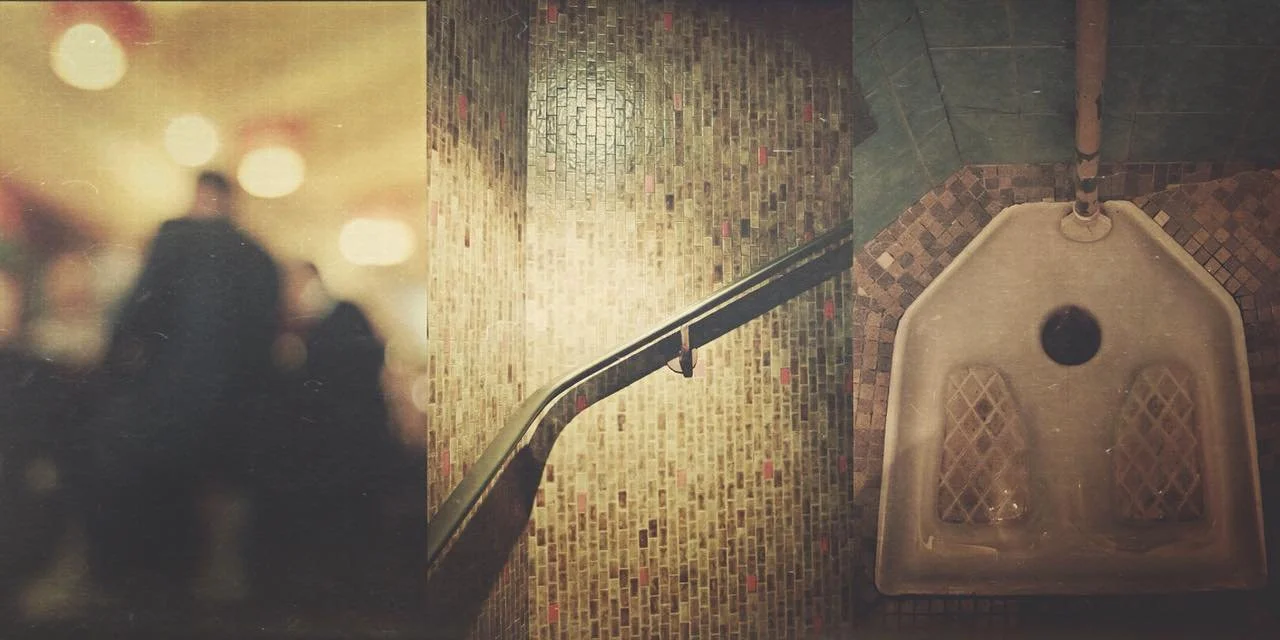
In the beginning there wasn’t a cathedral.
There was a pocket. Inside it, an iPhone.
iPhoneography started that way—not as an art movement with a manifesto and cheap wine, but as an everyday accident. A greasy thumb on the screen. Bad light. A free app downloaded at 2 a.m. Photography stopped asking for permission. It stepped off the pedestal and rode the bus, sat on bathroom sinks, waited in line for coffee. It was democratic by force. Imperfect by design. A quiet revolution with no slogans, just millions of images uploaded before anyone decided whether it was art or trash.
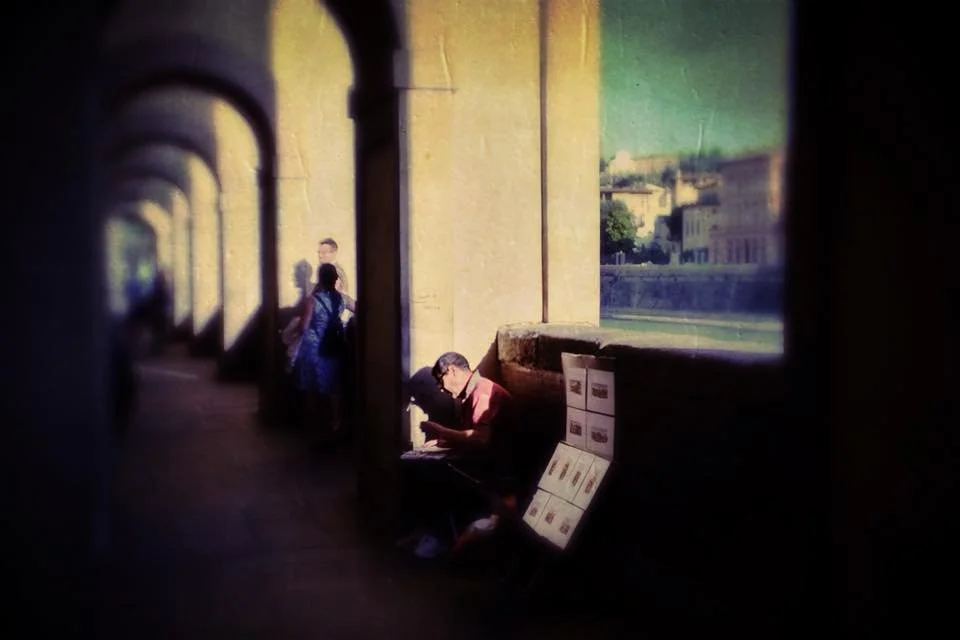
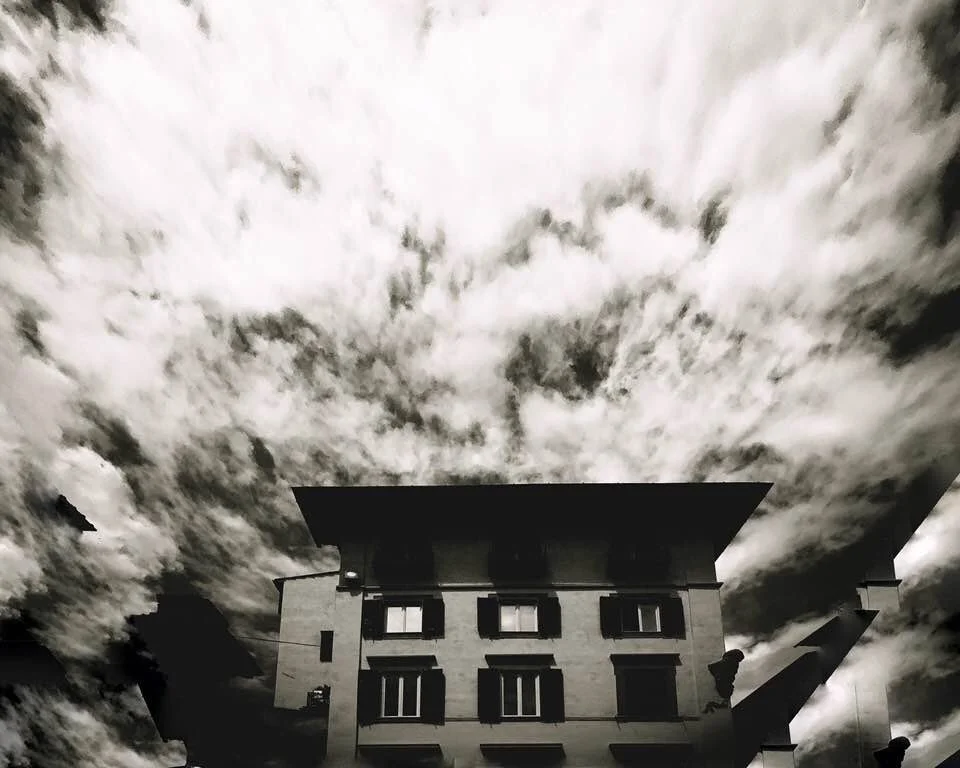
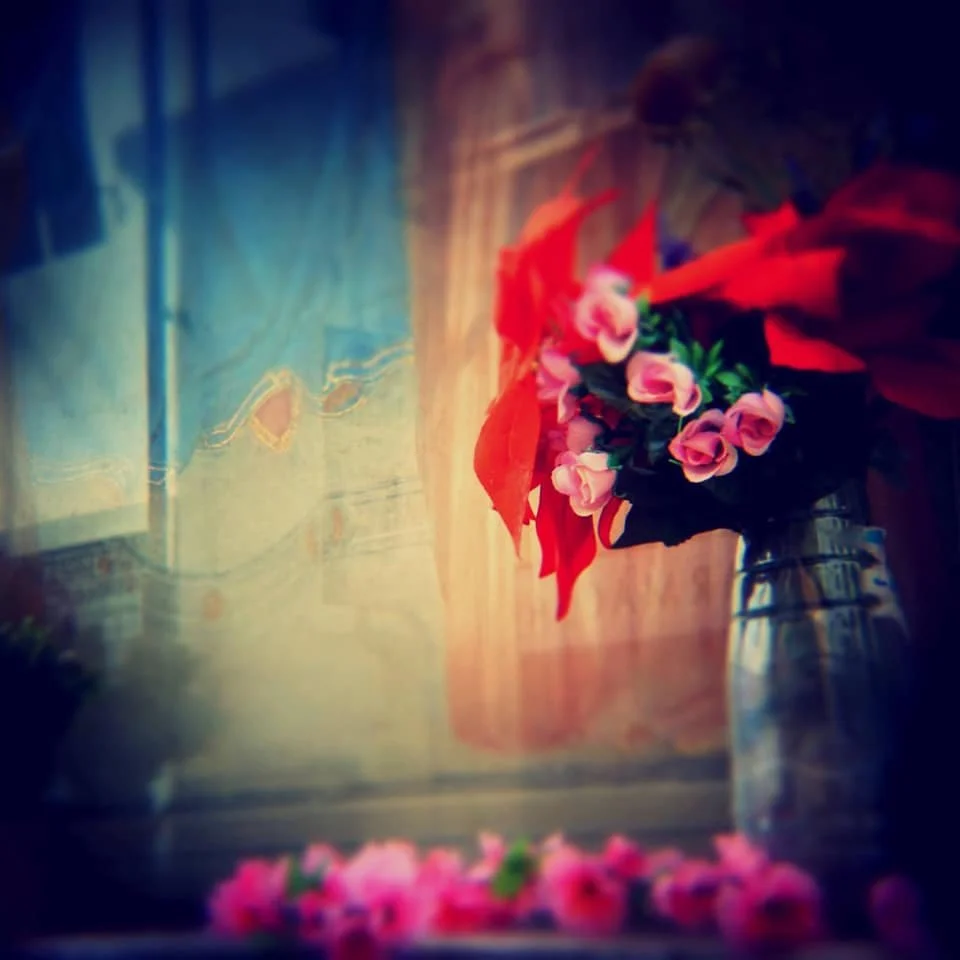
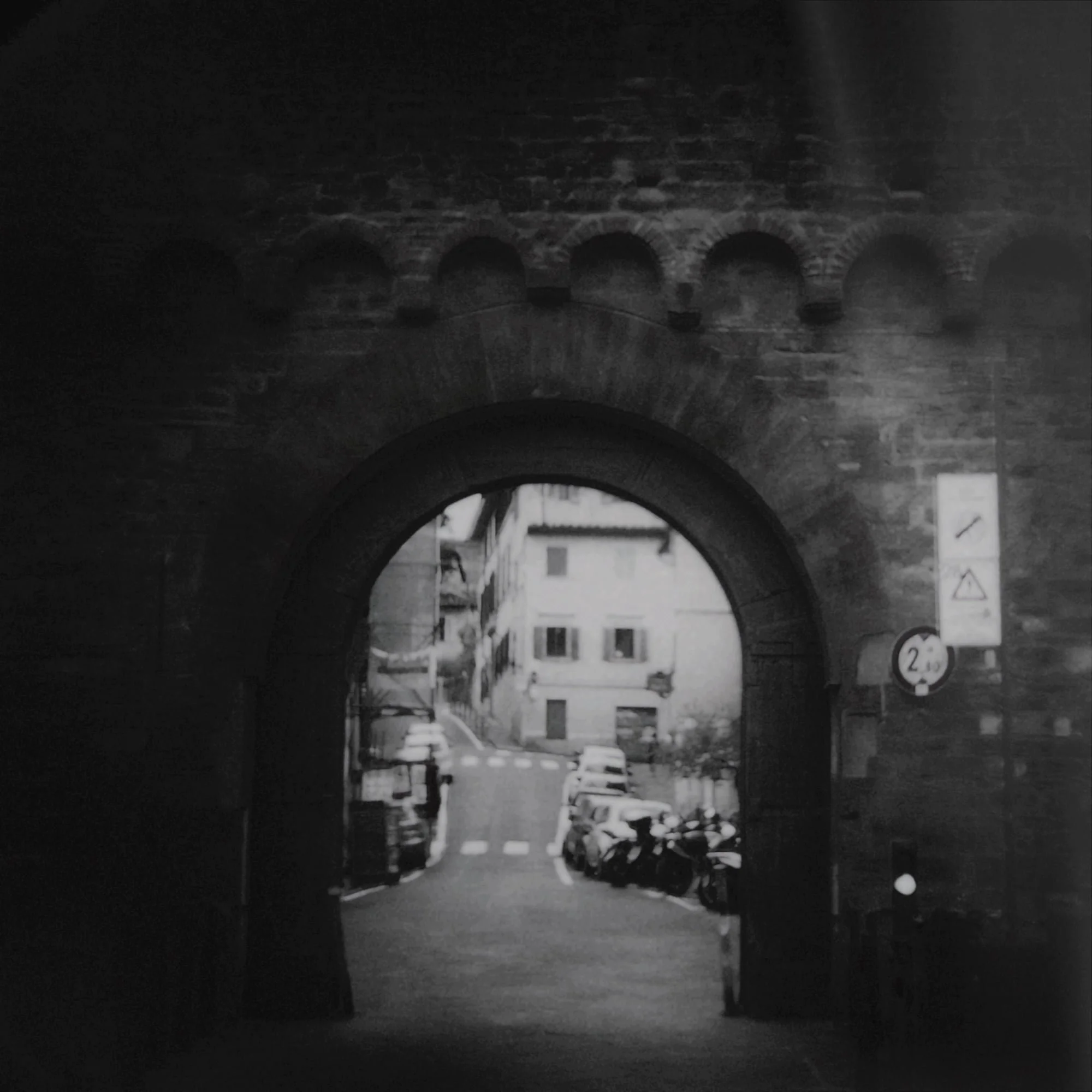
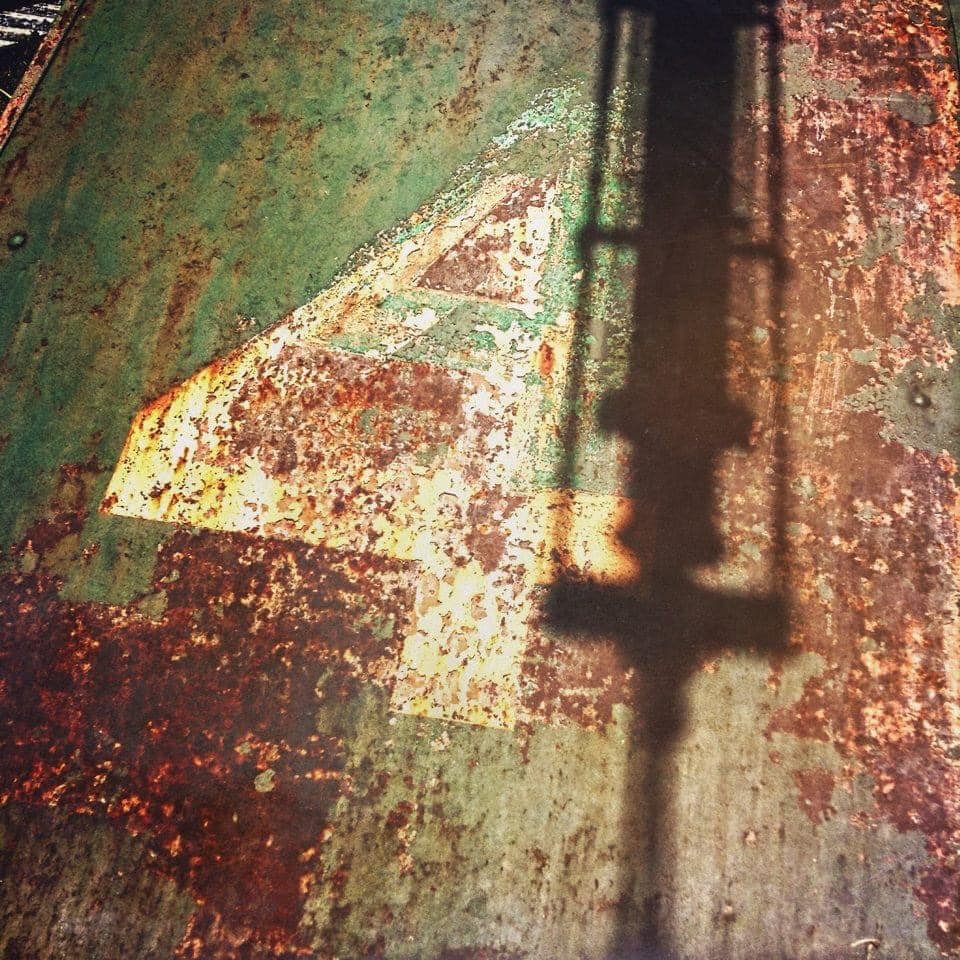
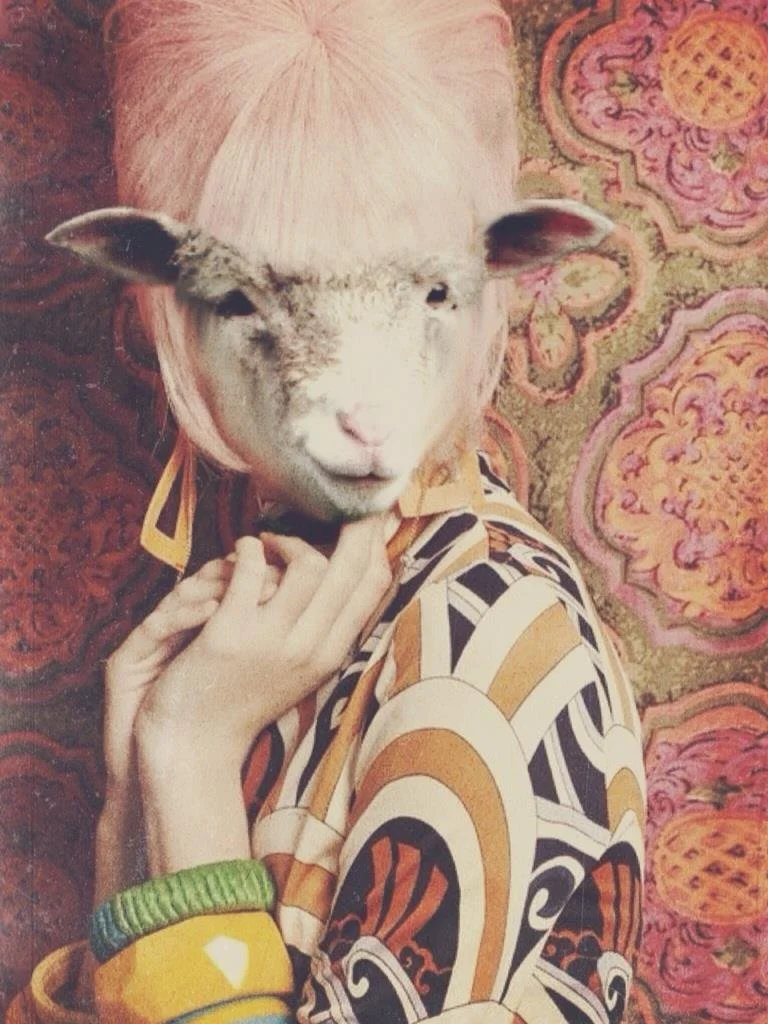
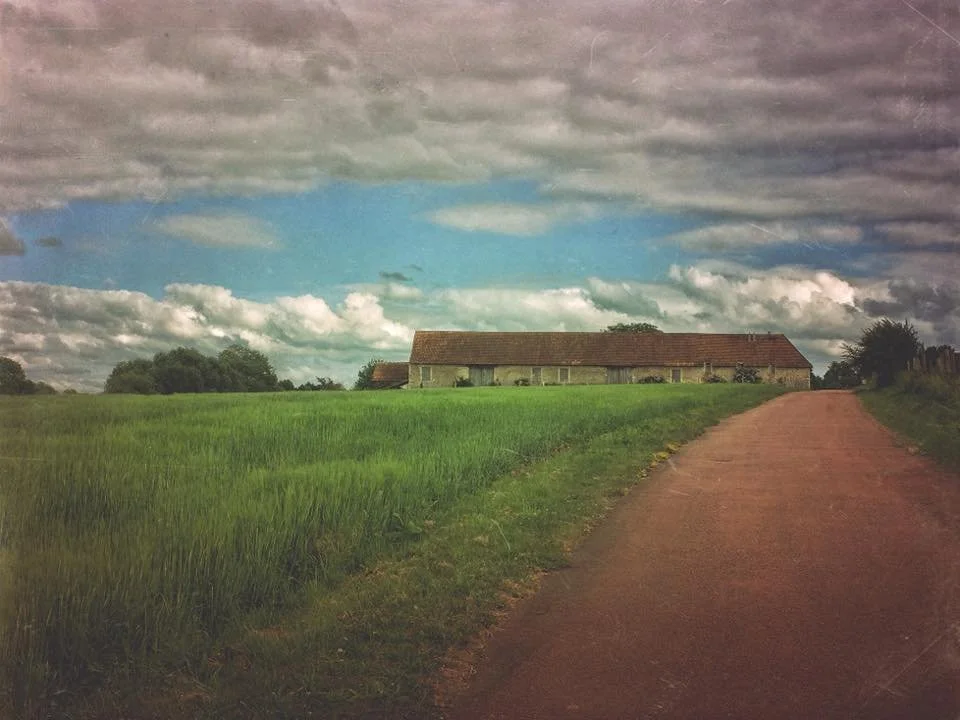
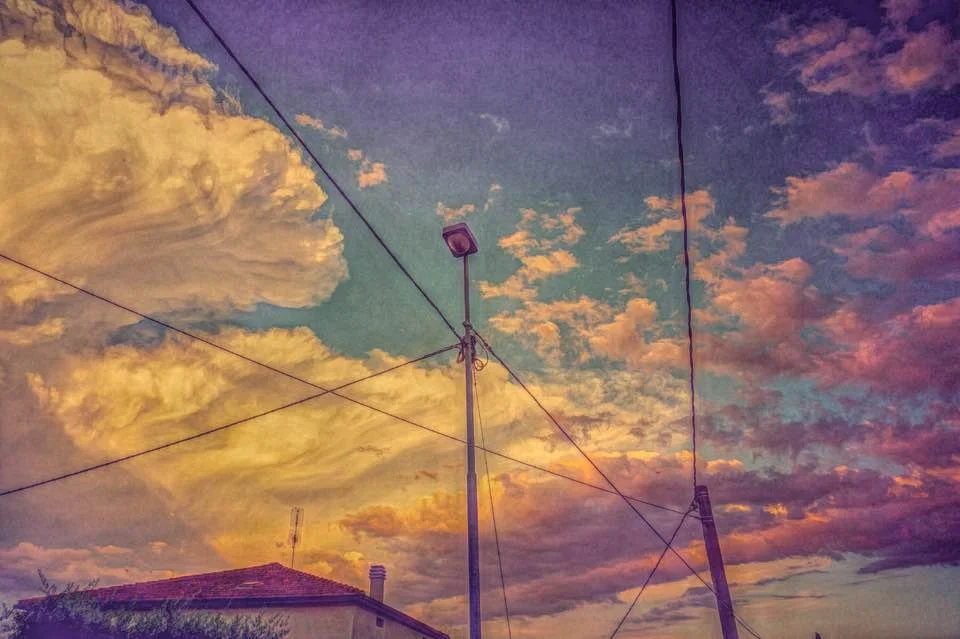
These photos shot and edited on an iPhone aren’t trying to be masterpieces. They’re evidence. Proof that popular art doesn’t come from museums—it comes from thumbs, from filters pushed too far, from edits you almost undo but don’t. The iPhone doesn’t judge you. It doesn’t wait for the right moment. It doesn’t care if you know what you’re doing. It just says: shoot. Then do it again. Then share it. That’s iPhoneography. A soft punch to elitist photography—the kind that whispers and only talks to people who “get it.”
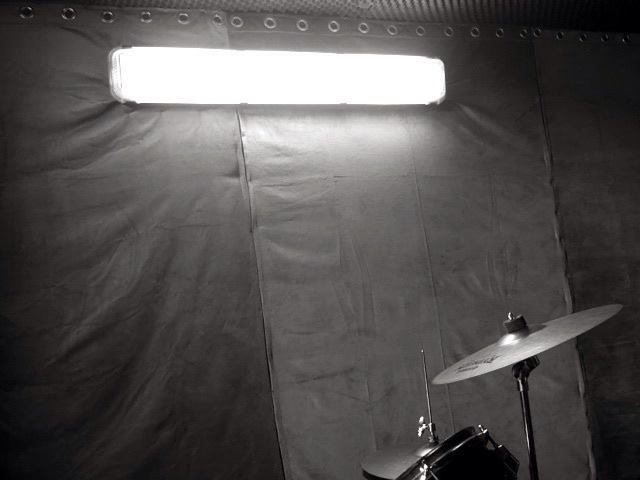
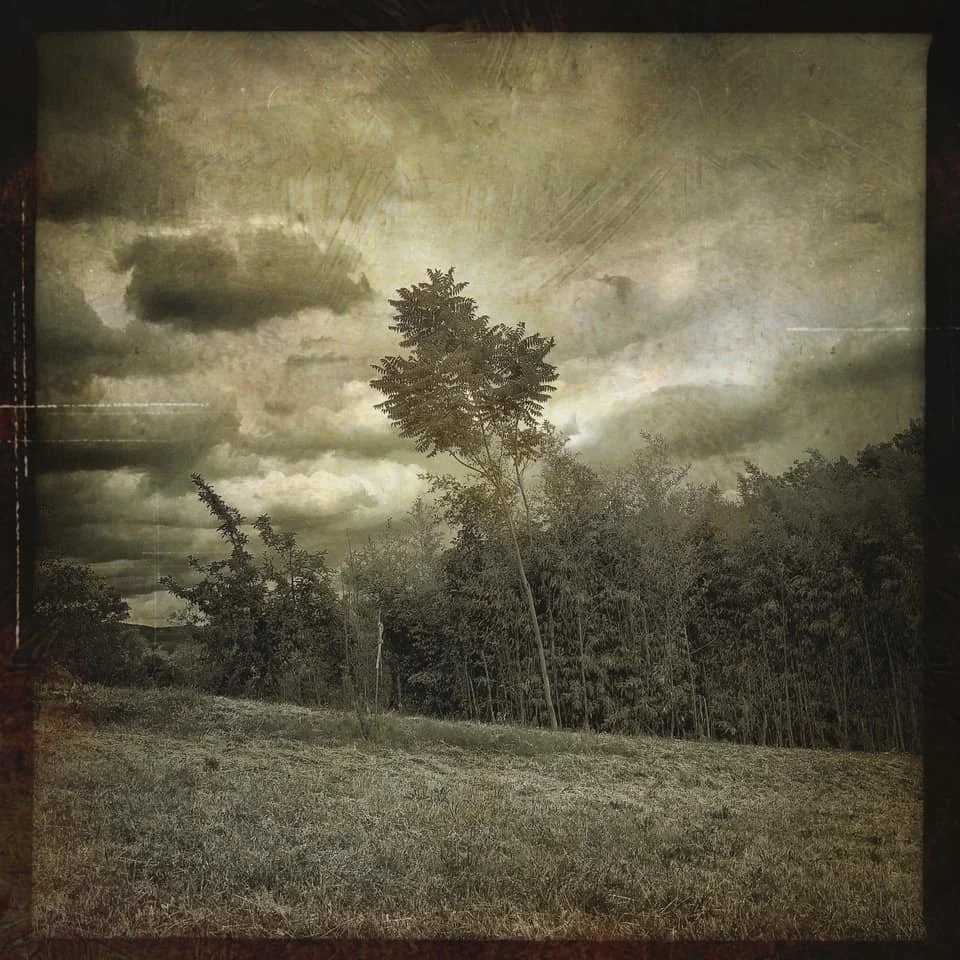
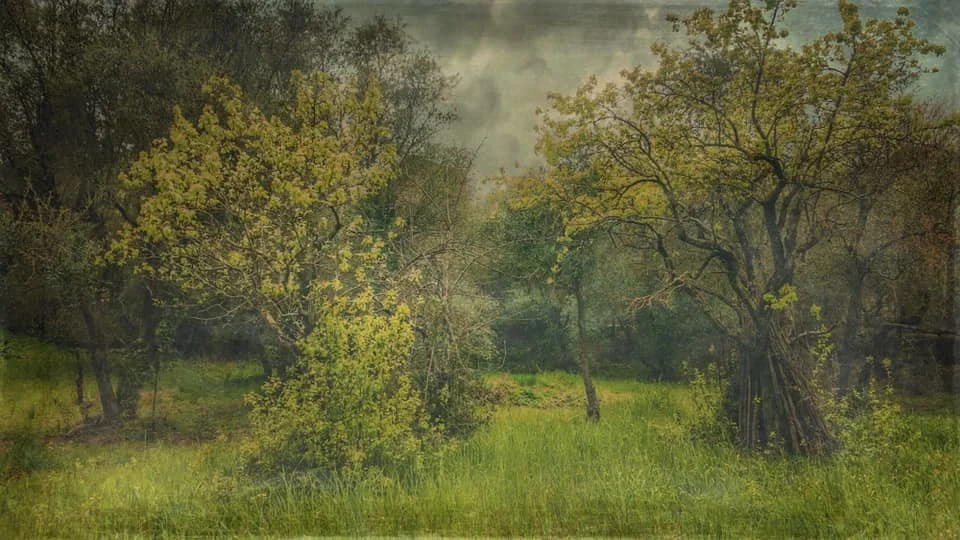

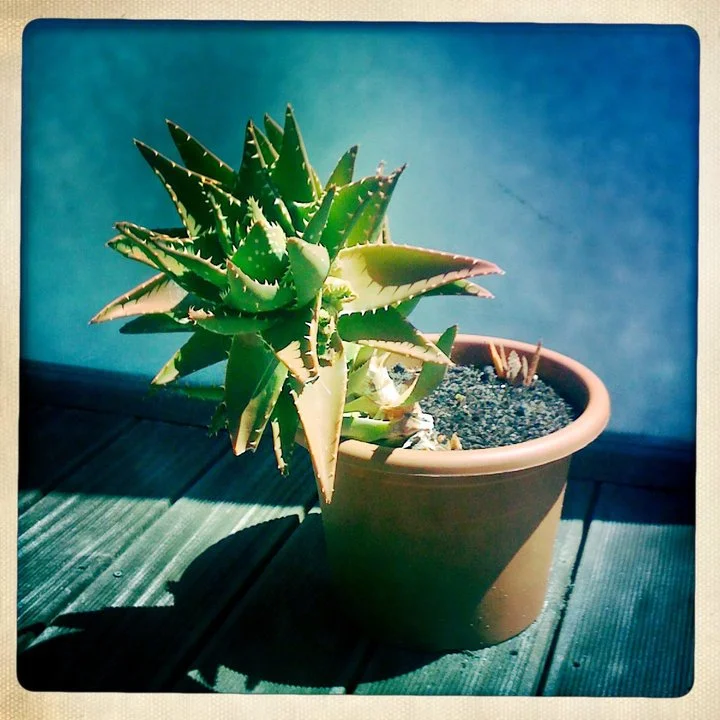
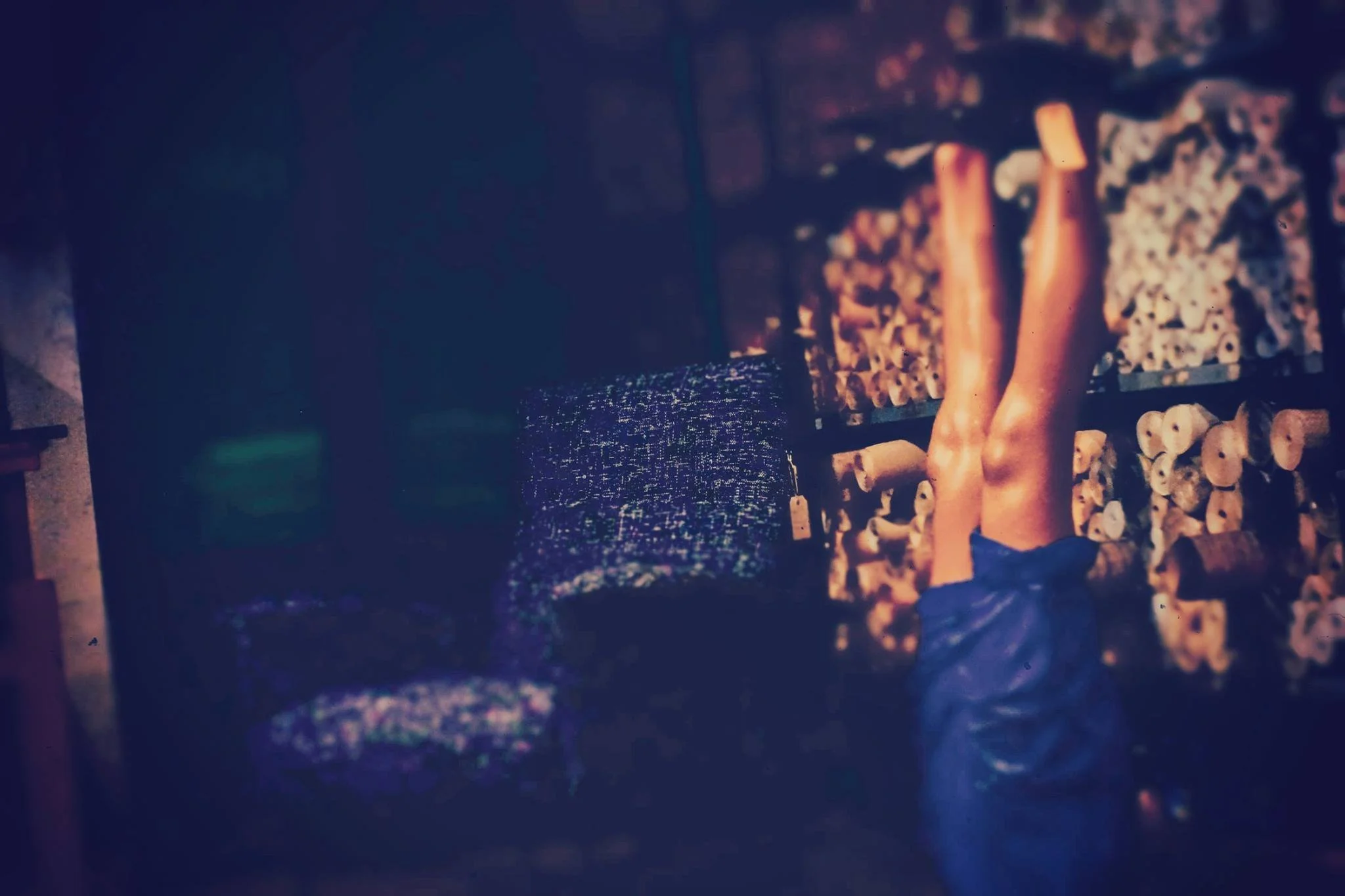
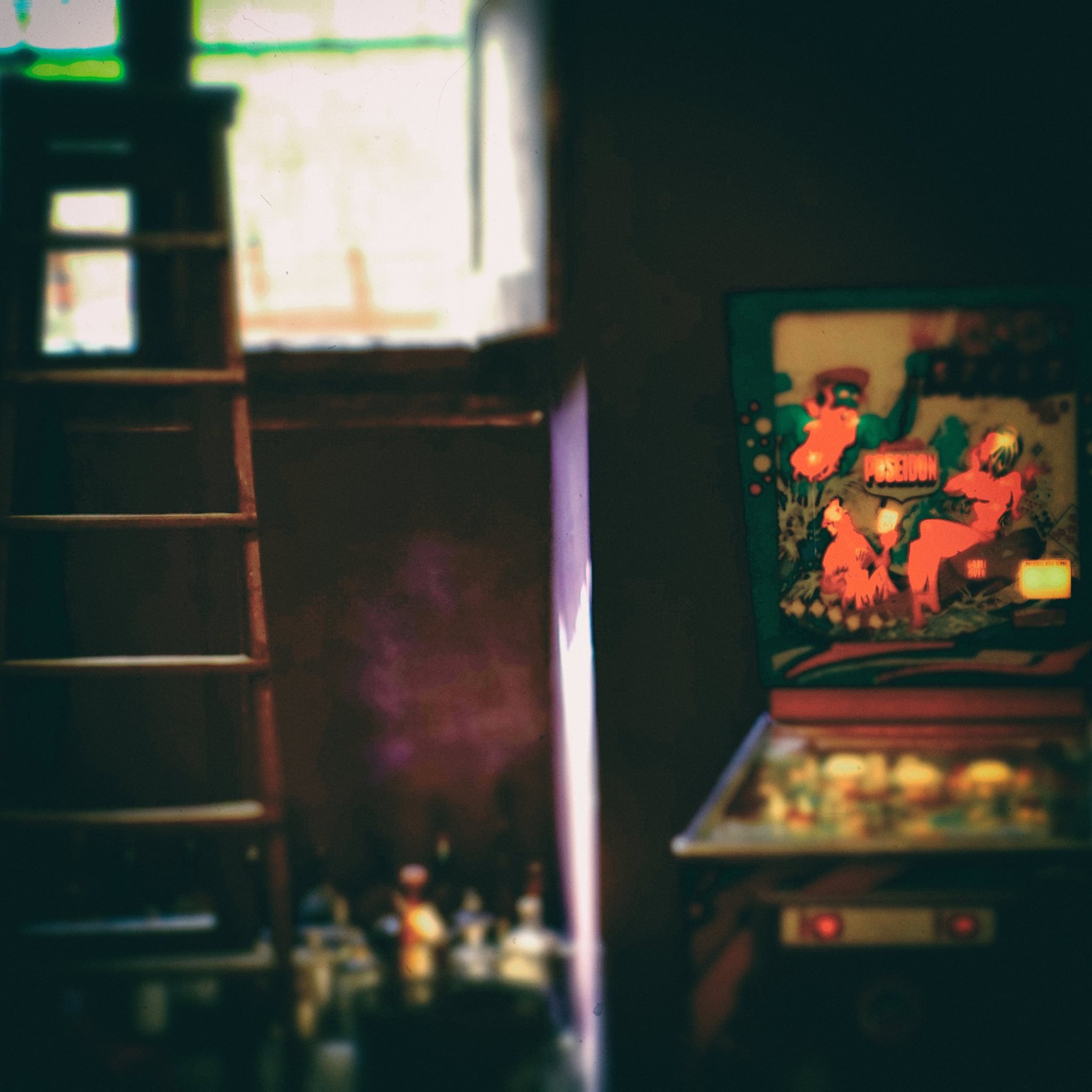
This technique was revolutionary from the start because it doesn’t promise redemption. It promises access. Anyone can fail in public. Anyone can turn an average day into something worth looking at for three seconds. Art here isn’t sacred. It’s reproducible. Scrollable. Forgettable. And that’s exactly why it’s alive.
iPhoneography doesn’t replace anything. It infects everything. It’s popular because it’s honest. It’s ironic because it knows better than to take itself seriously. It’s positive because it exists at all.
And because every time it reminds us that sometimes you don’t need a vision to make art—you just need your phone on and the nerve to hit “share.”