
Maisons et Jardins
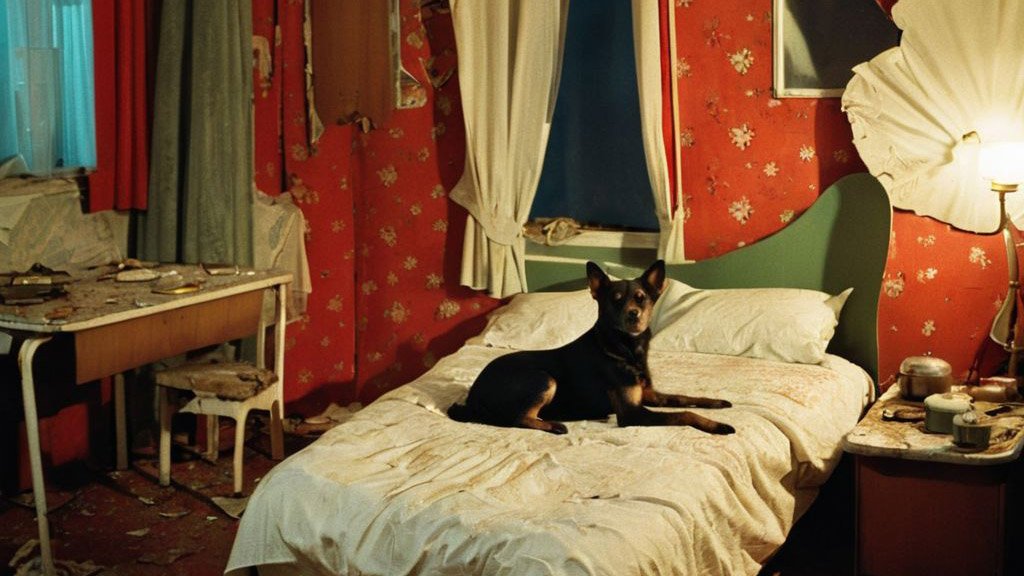
Maisons et Jardins
The New Style for the Modern Home: Livable Decay, Terminal Comfort, and Disaster Botany
Welcome to the modern home.
Not the one with pale hardwood floors, a modular sofa, and an invisible kitchen where no one has ever chopped an onion. That’s real estate pornography for adults with emotional mortgages.
We’re talking about the real home.
The home that has stopped pretending.
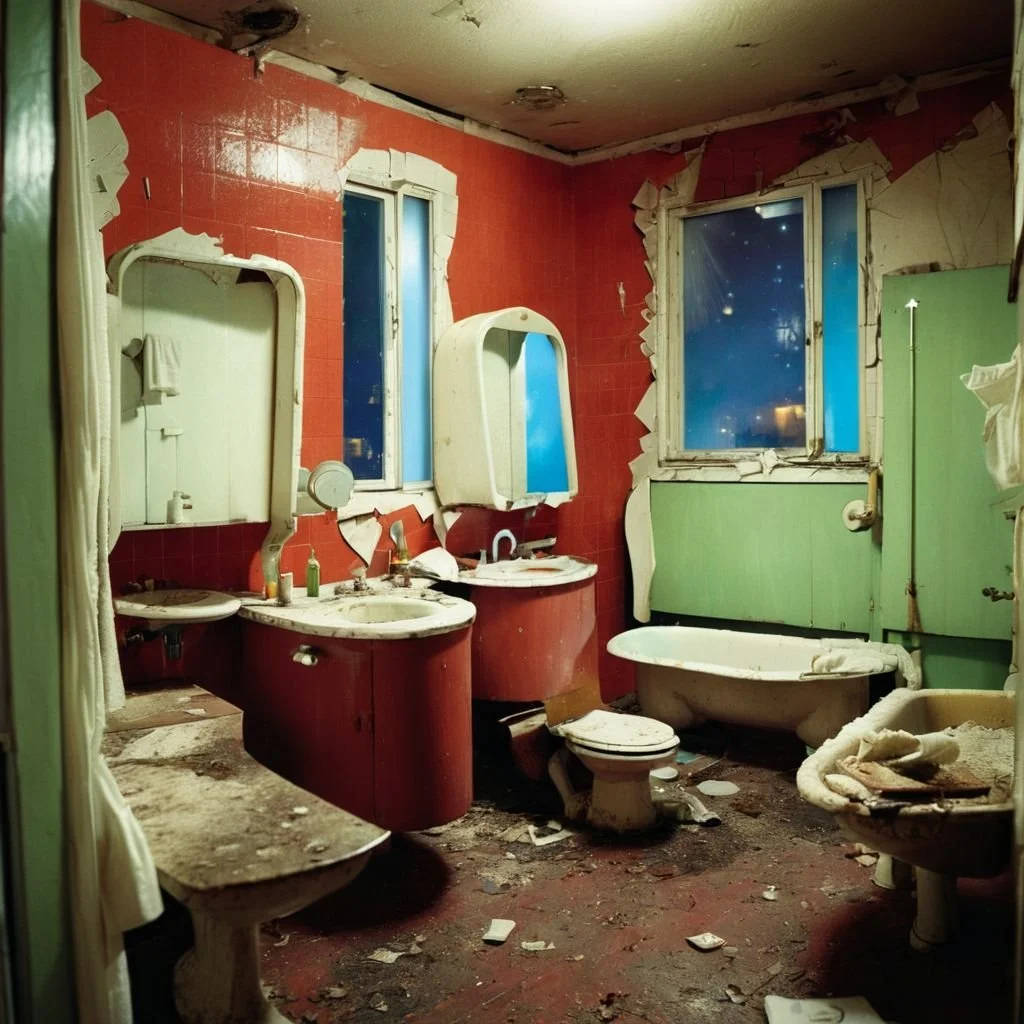
The new frontier in interior design is called functional ruin. It’s bold. Democratic. Organic. Possibly toxic. A return to the essentials: mold, red tile, plumbing with an identity crisis, windows that look like portals to an alien interrogation room.
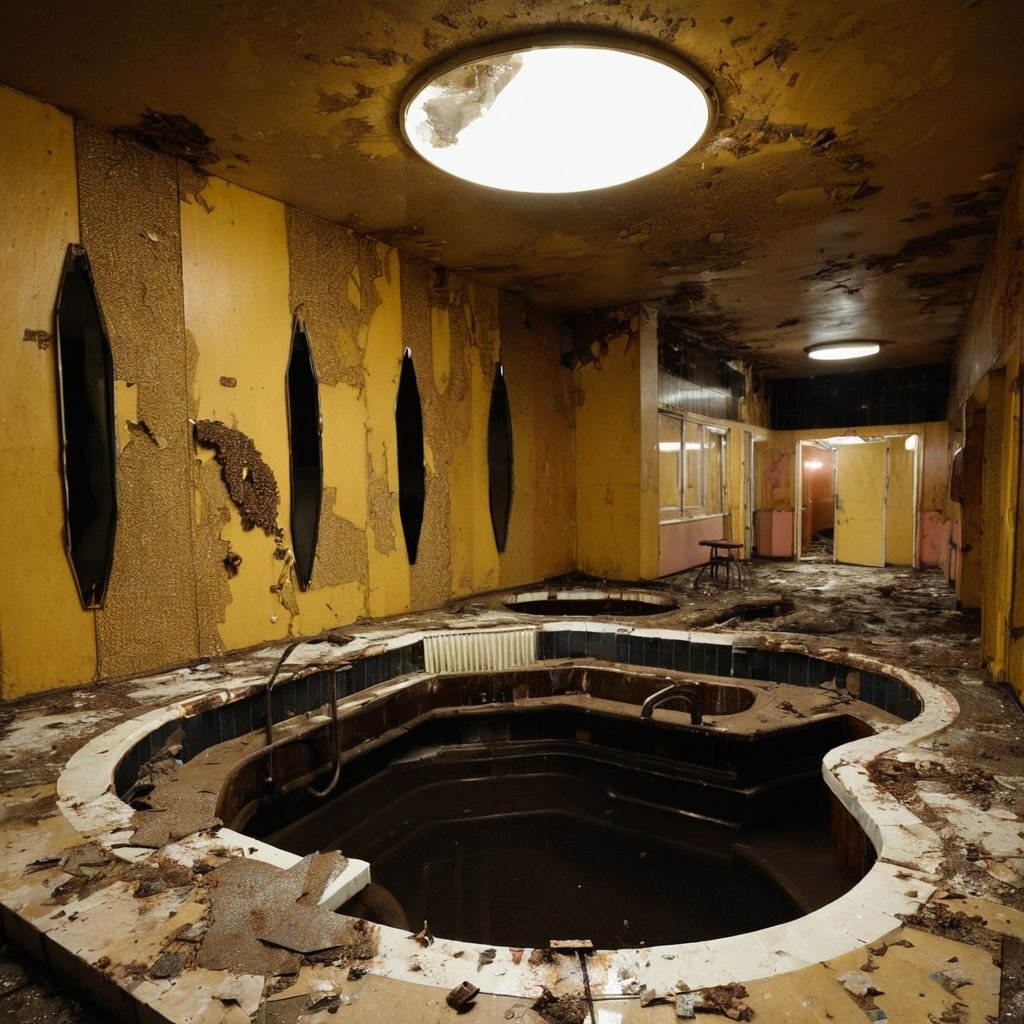
The contemporary bathroom is no longer meant to relax you.
It’s meant to accuse you.
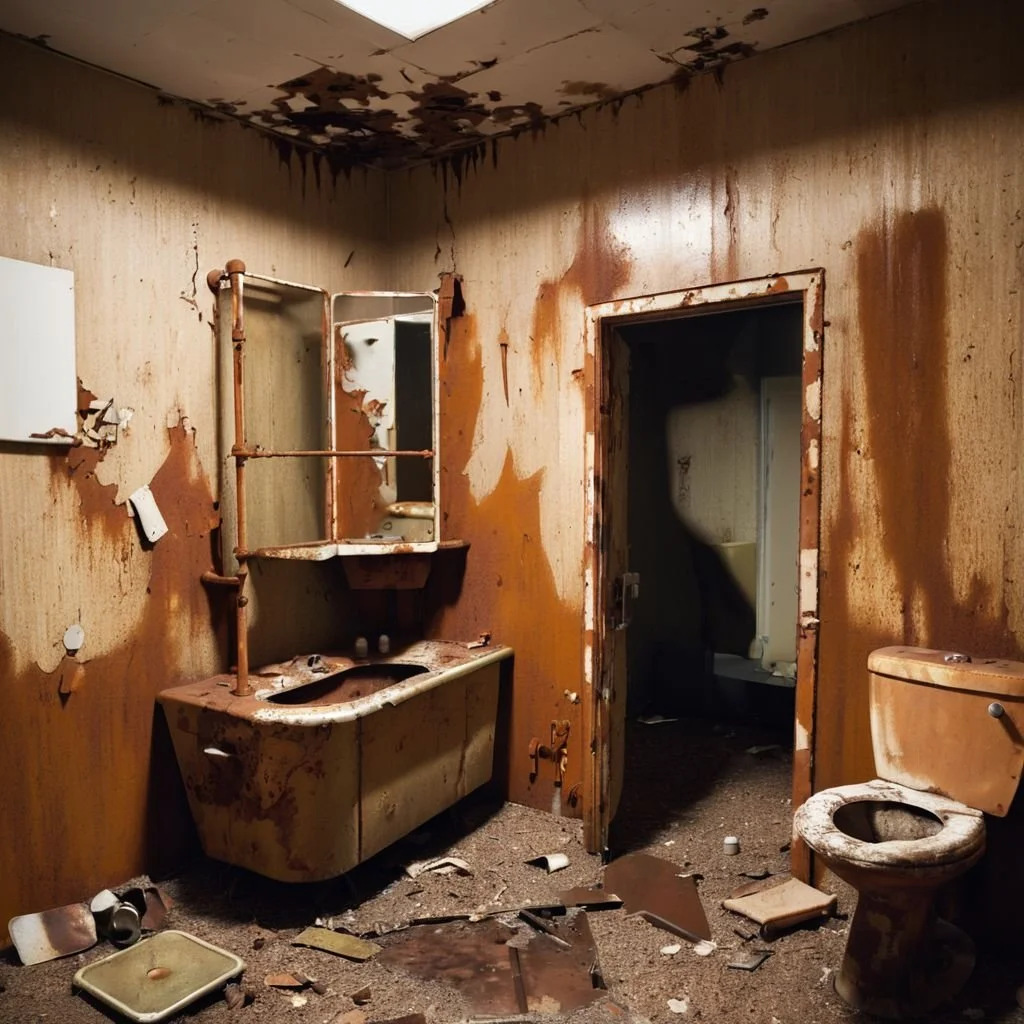
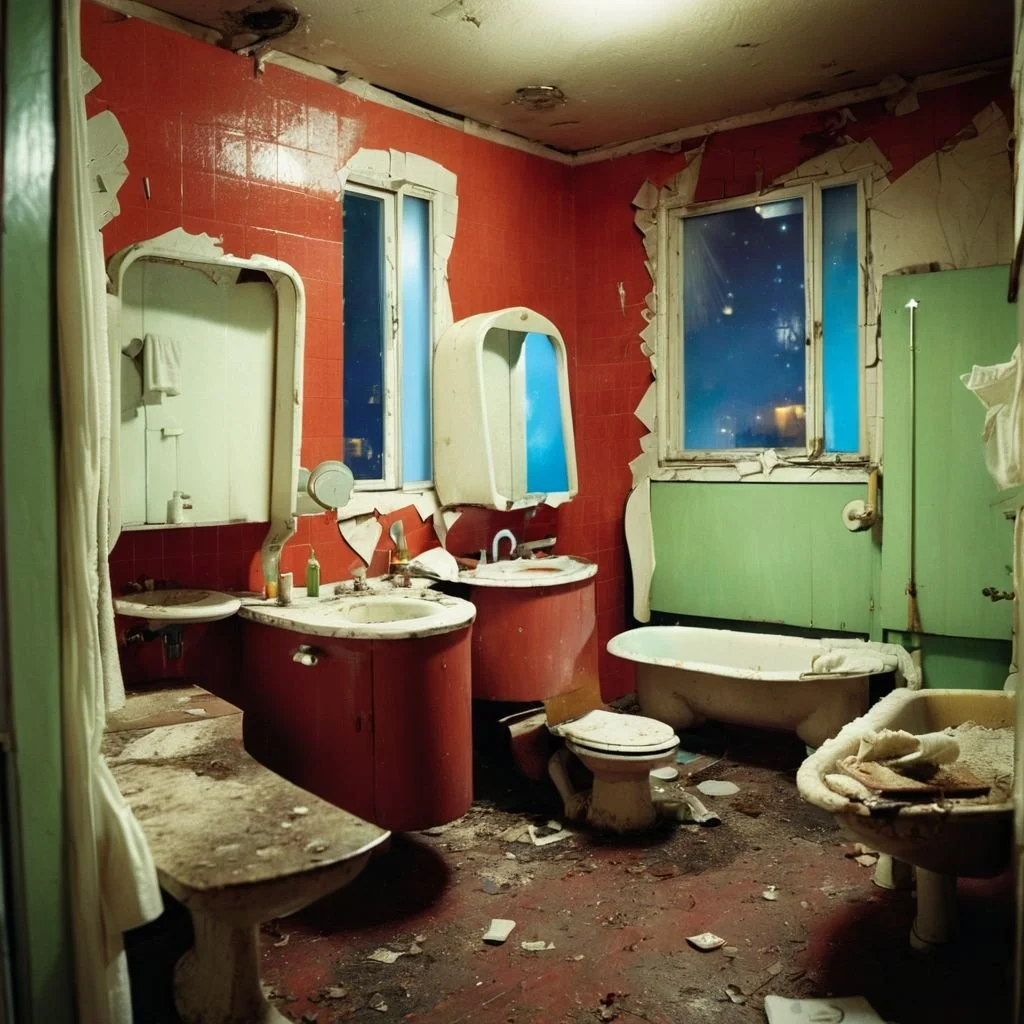
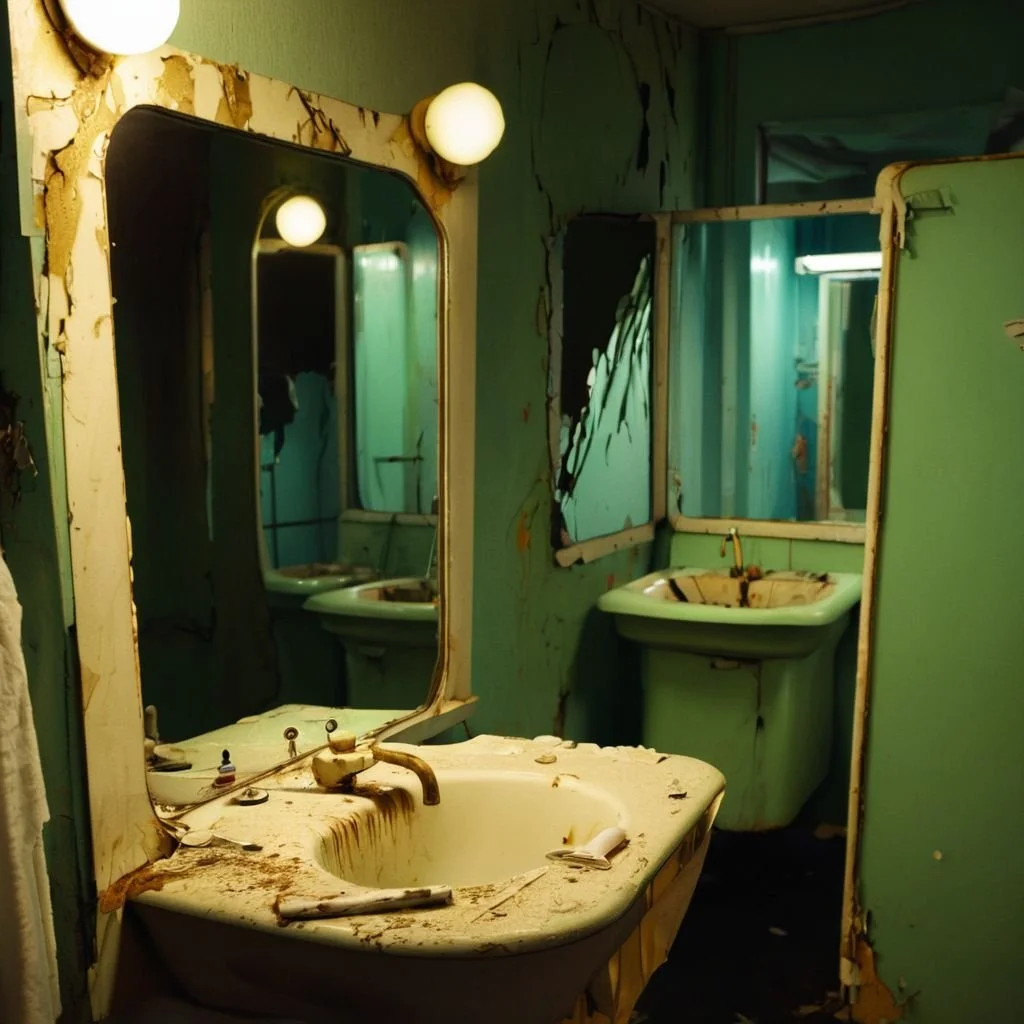
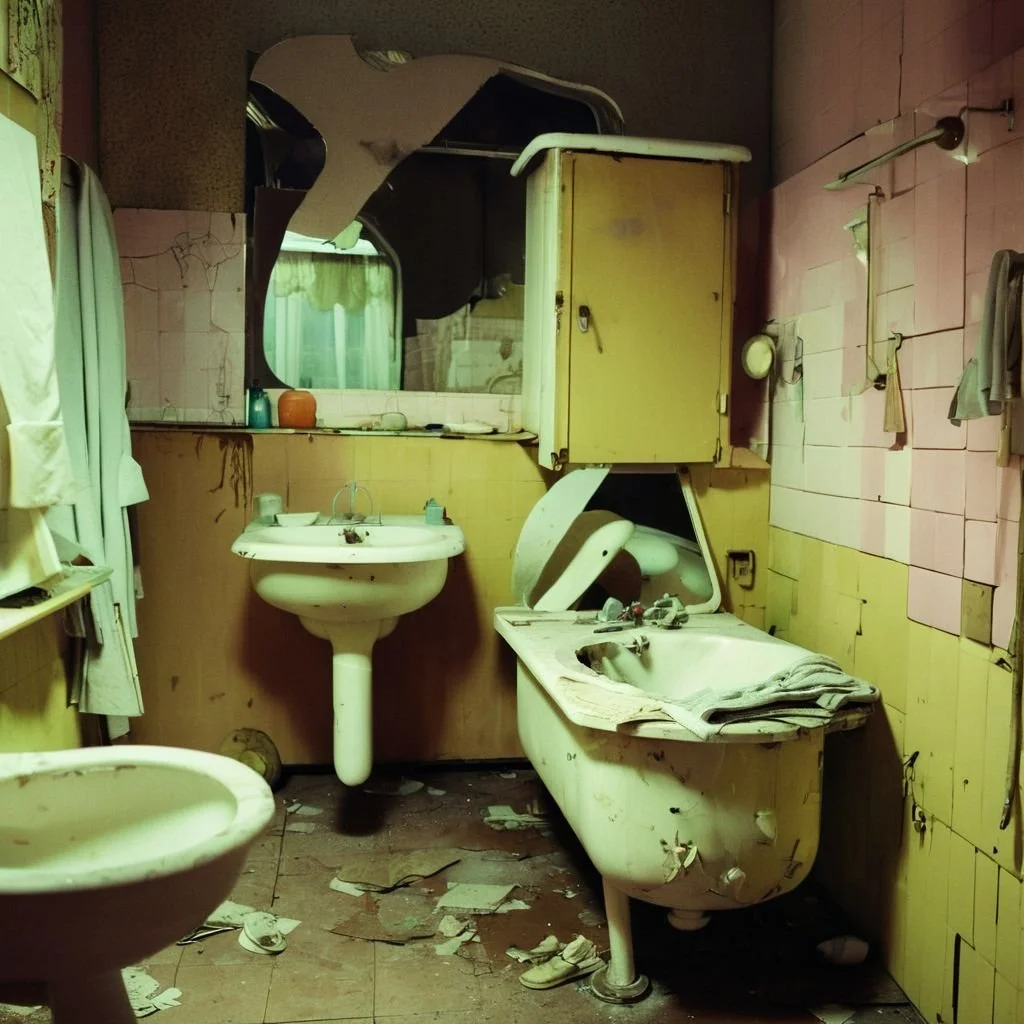
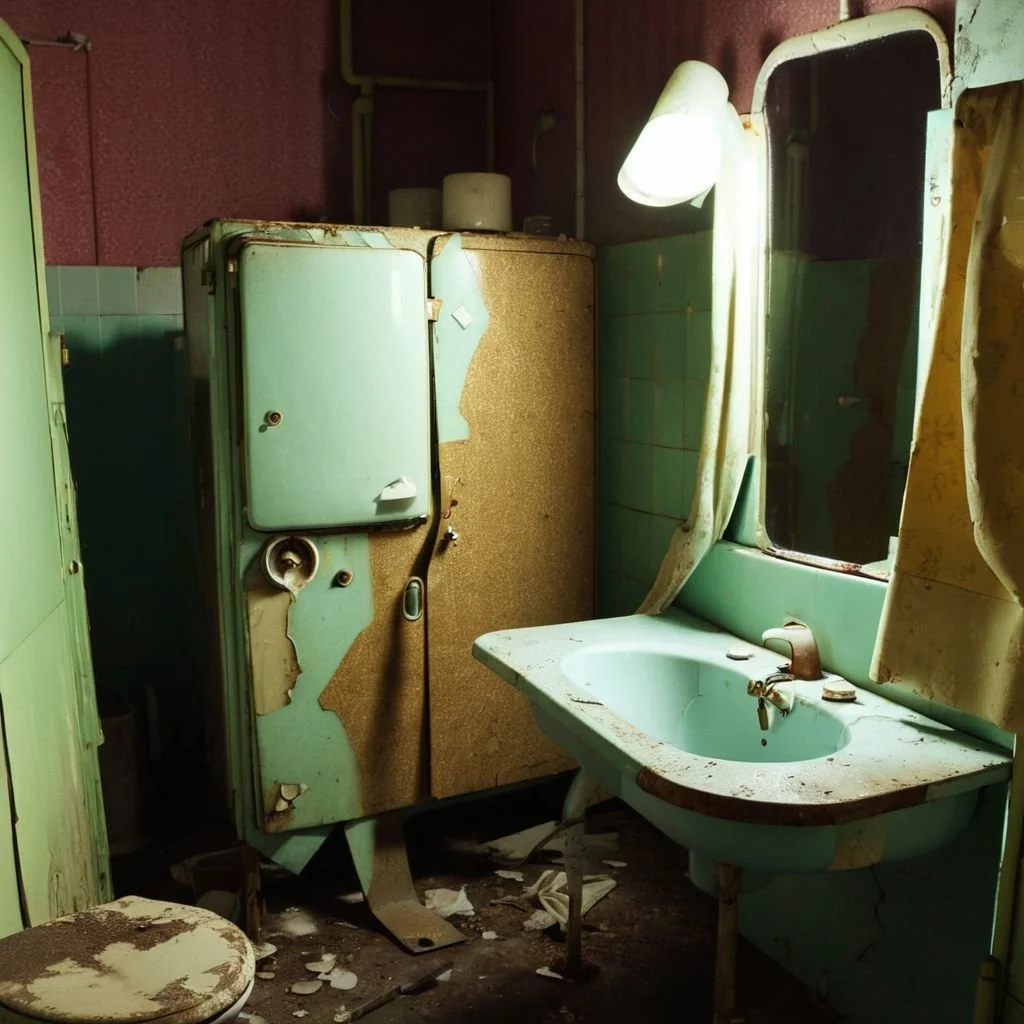
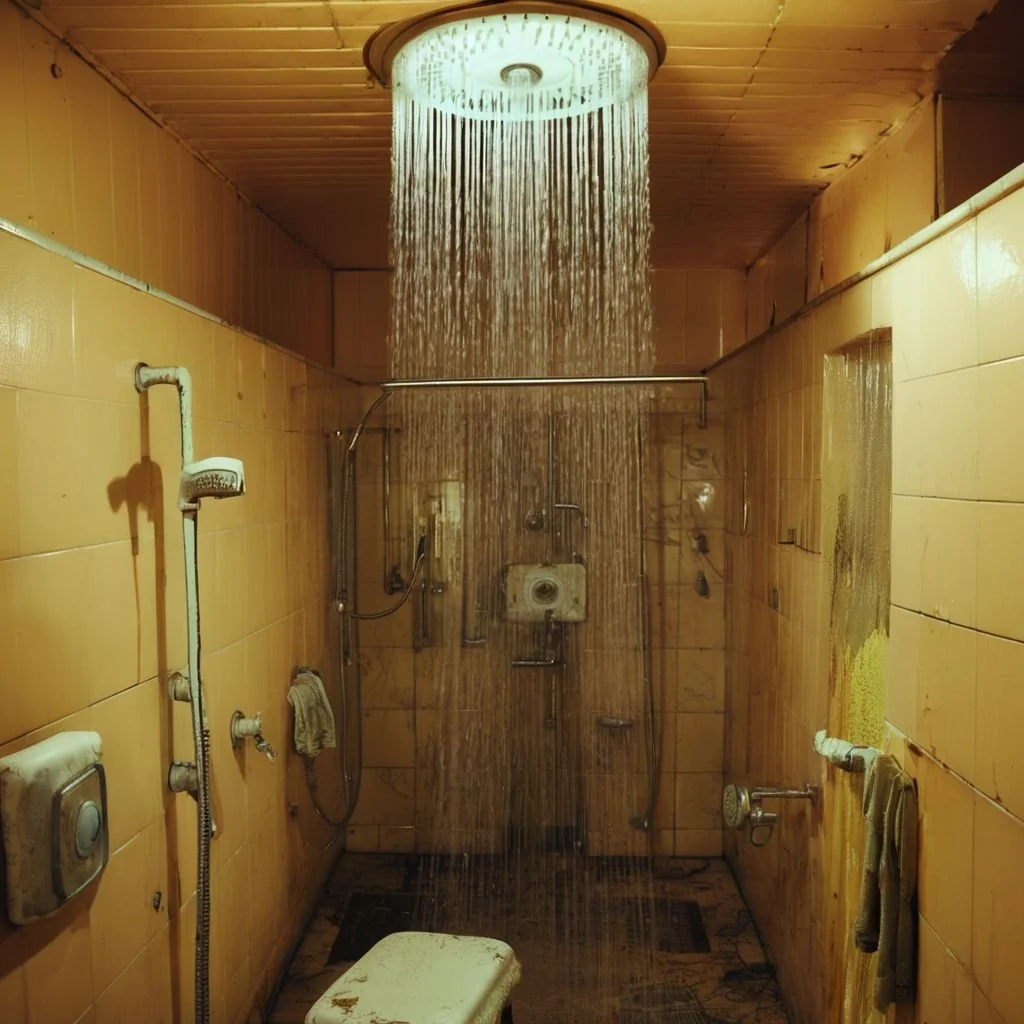
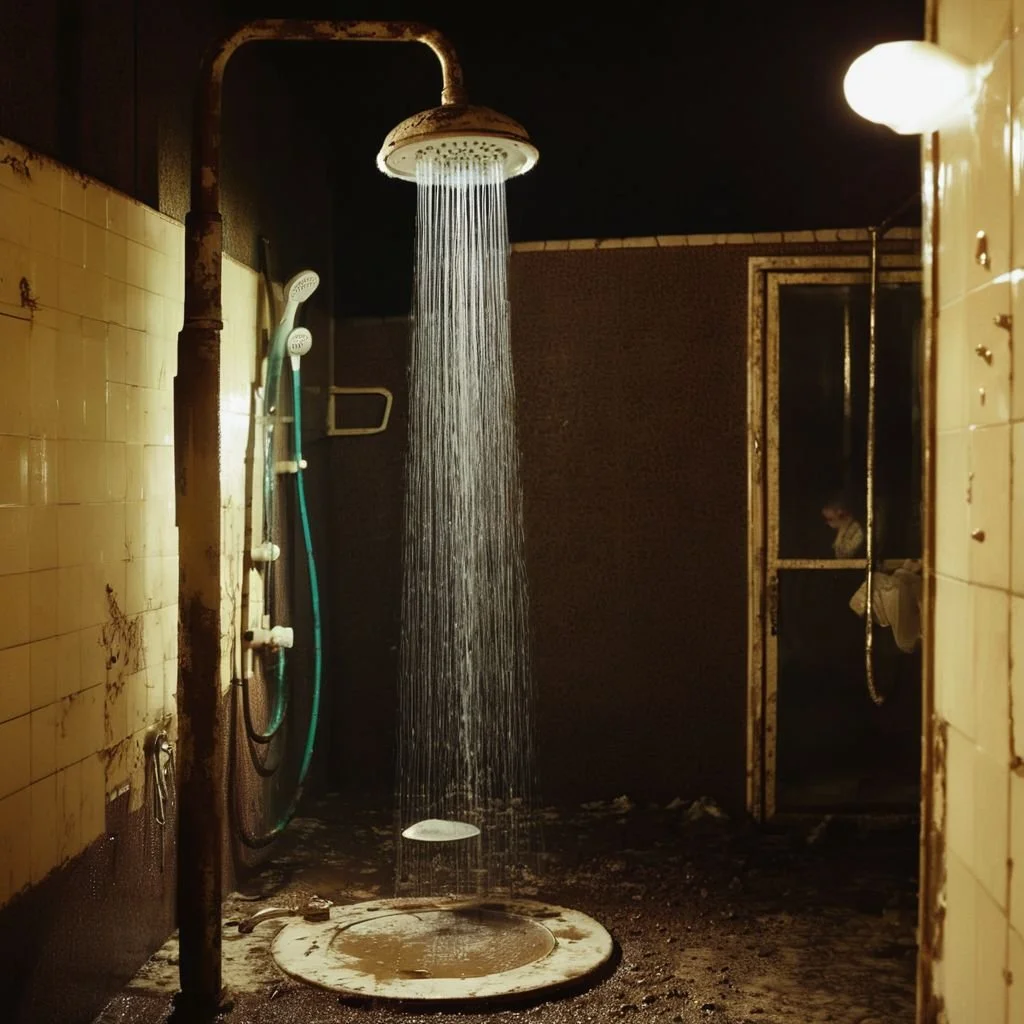
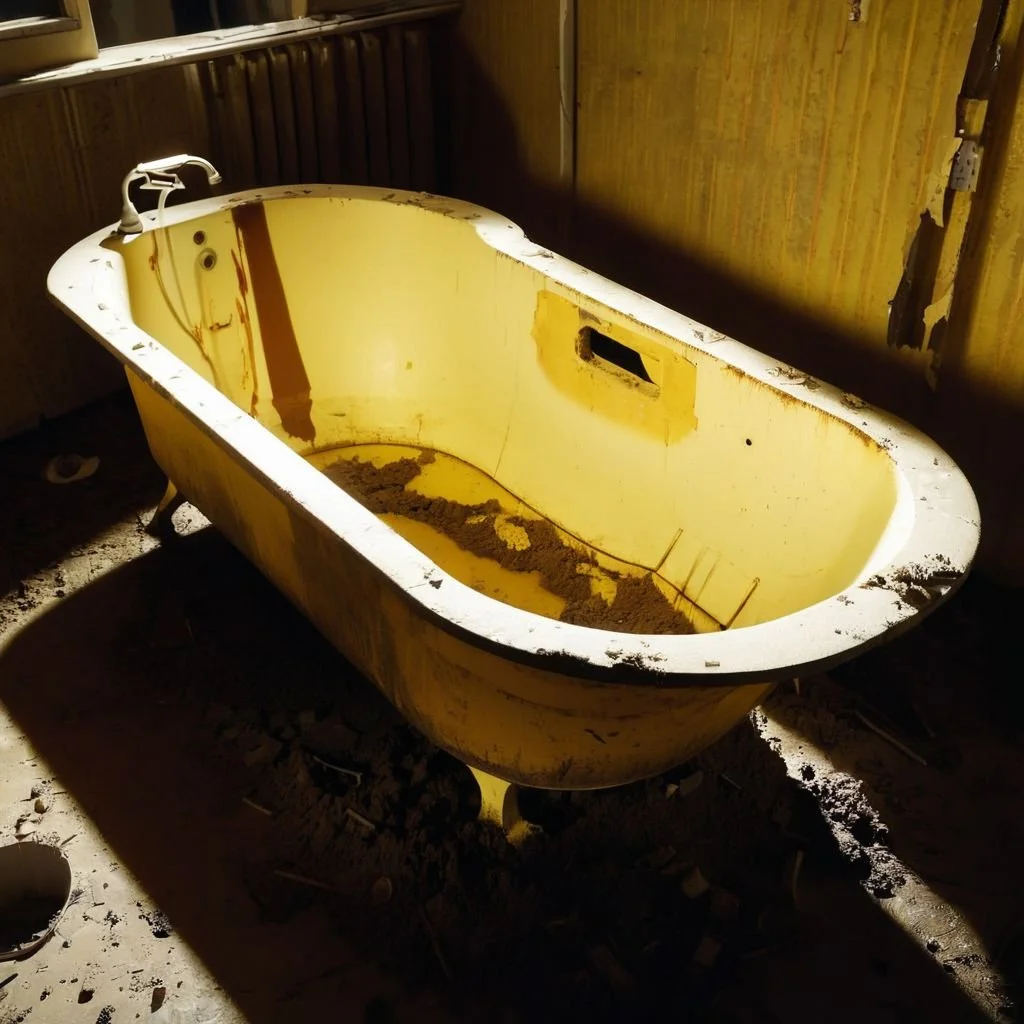
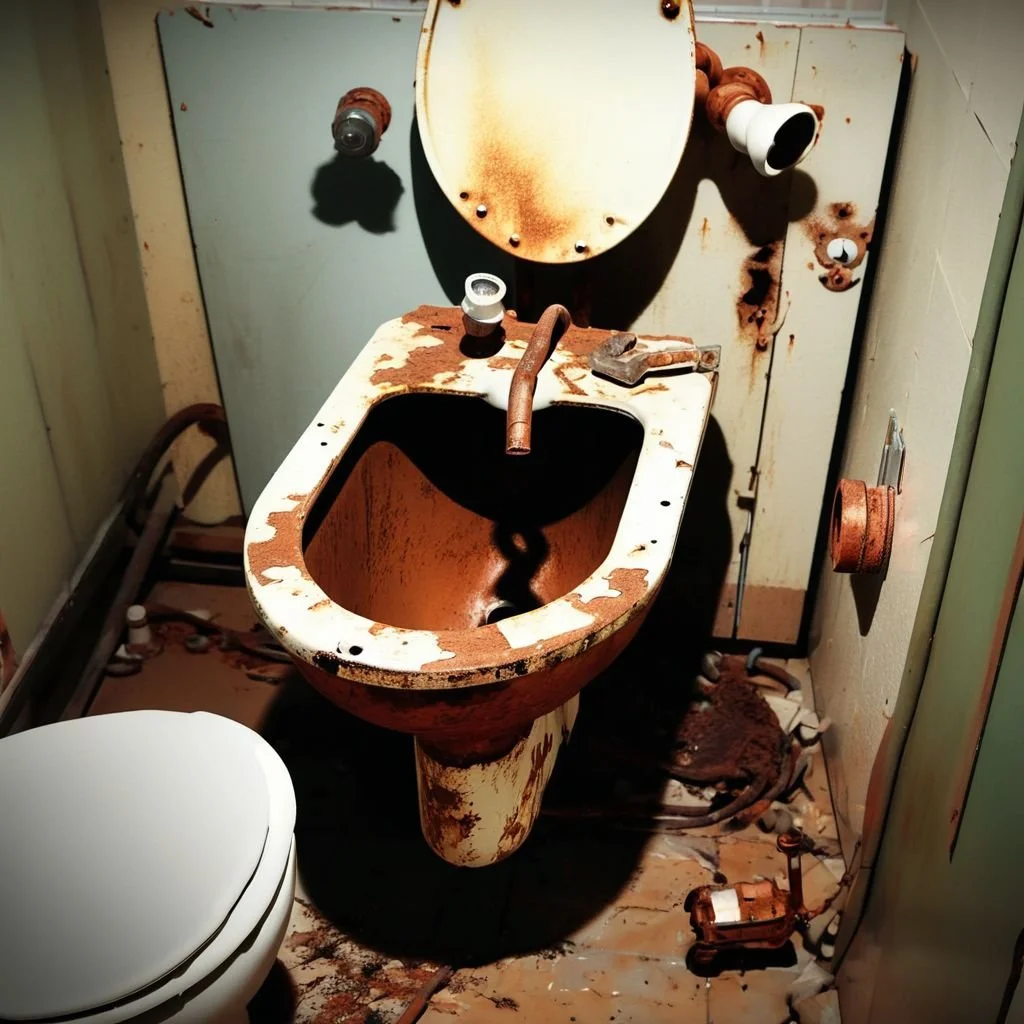
Here, the sink isn’t for washing your hands. It’s there to remind you that your hands will never really be clean. The mirror, tilted toward collapse, gives you a more honest reflection than any ninety-dollar skincare ritual: you, under tired fluorescent light, wondering when exactly your life took this tiled little turn.
The red walls? Not a color.
Blood pressure.
The bathtub? An invitation.
Not to bathe.
To surrender.
Then there’s the living room.
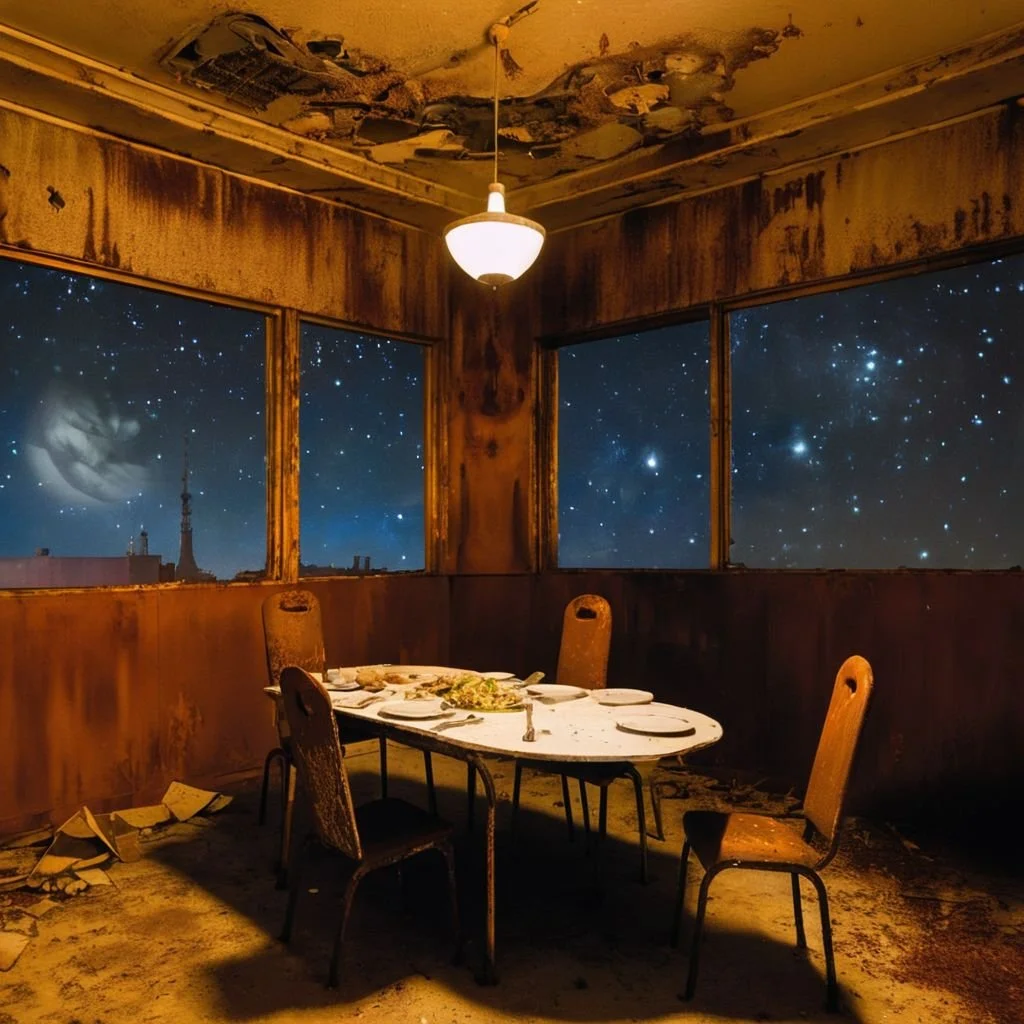
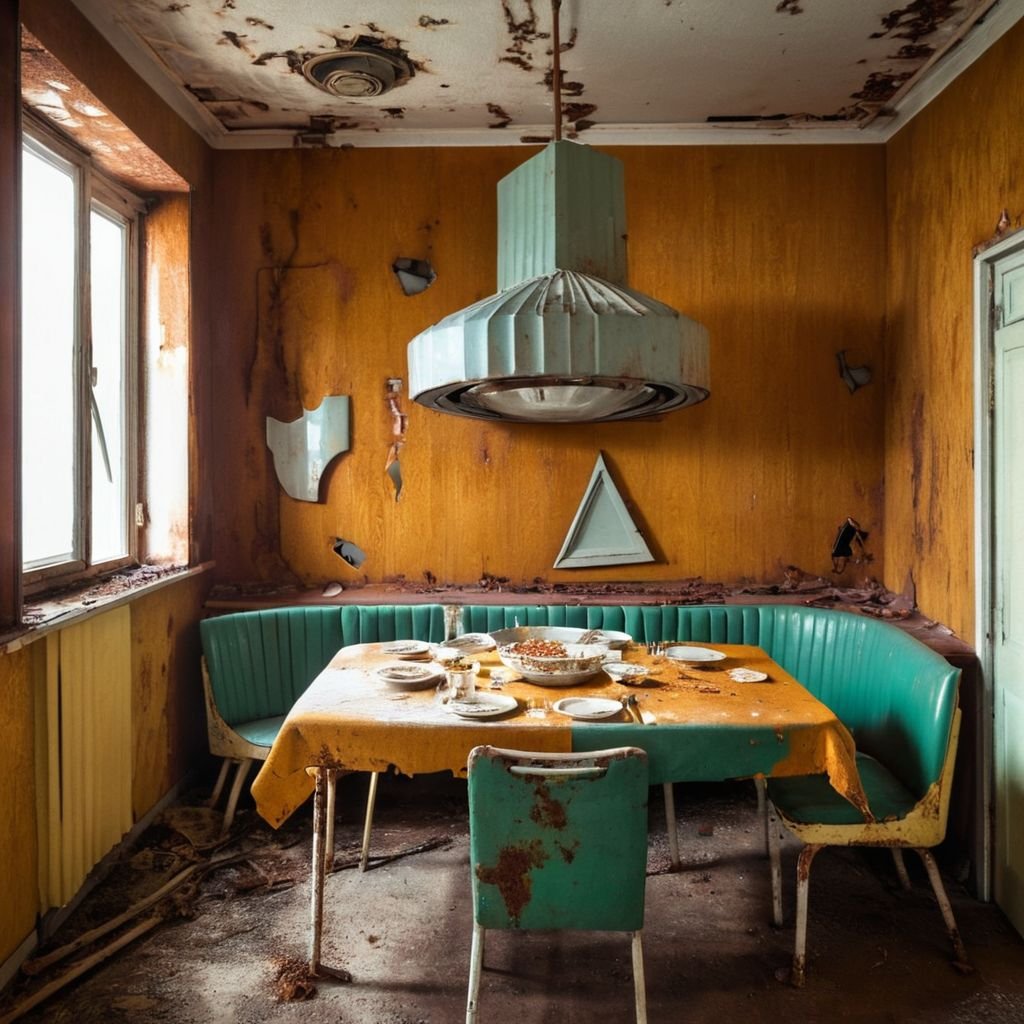
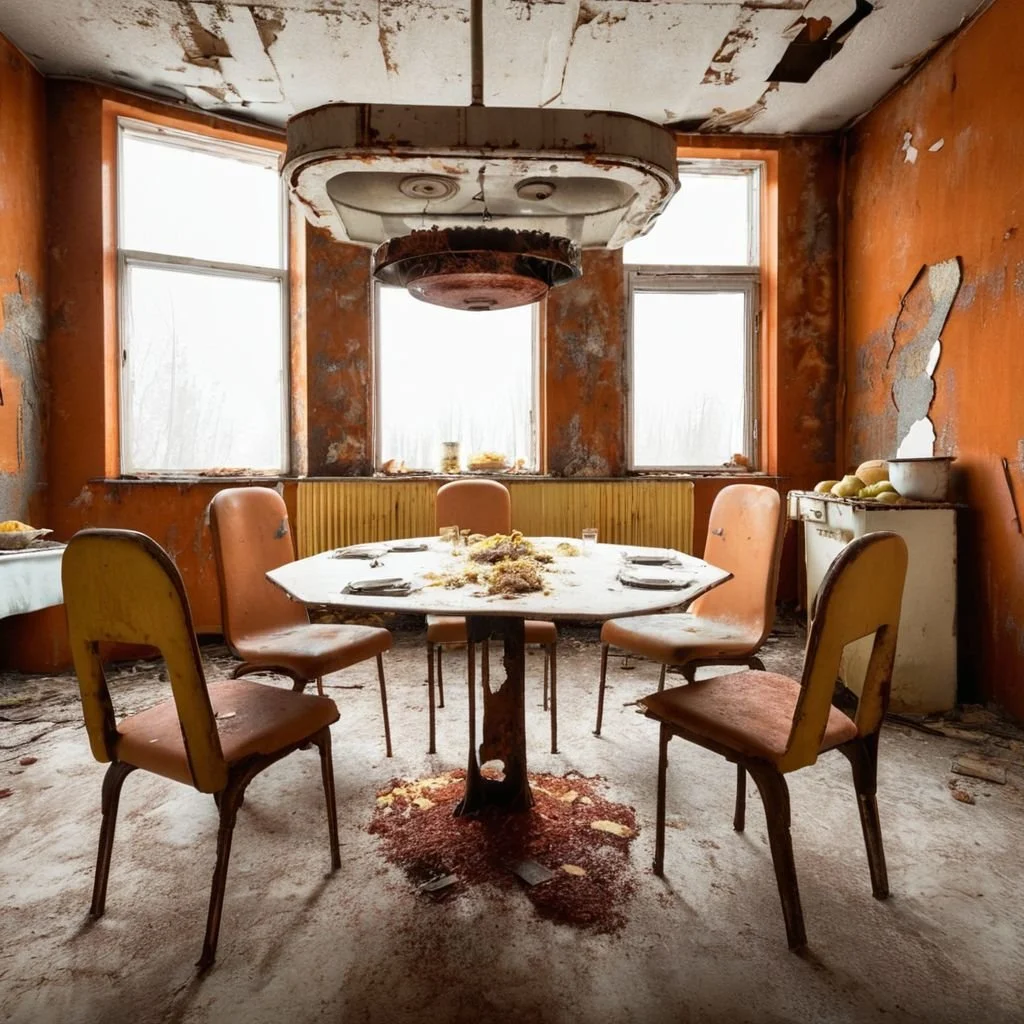
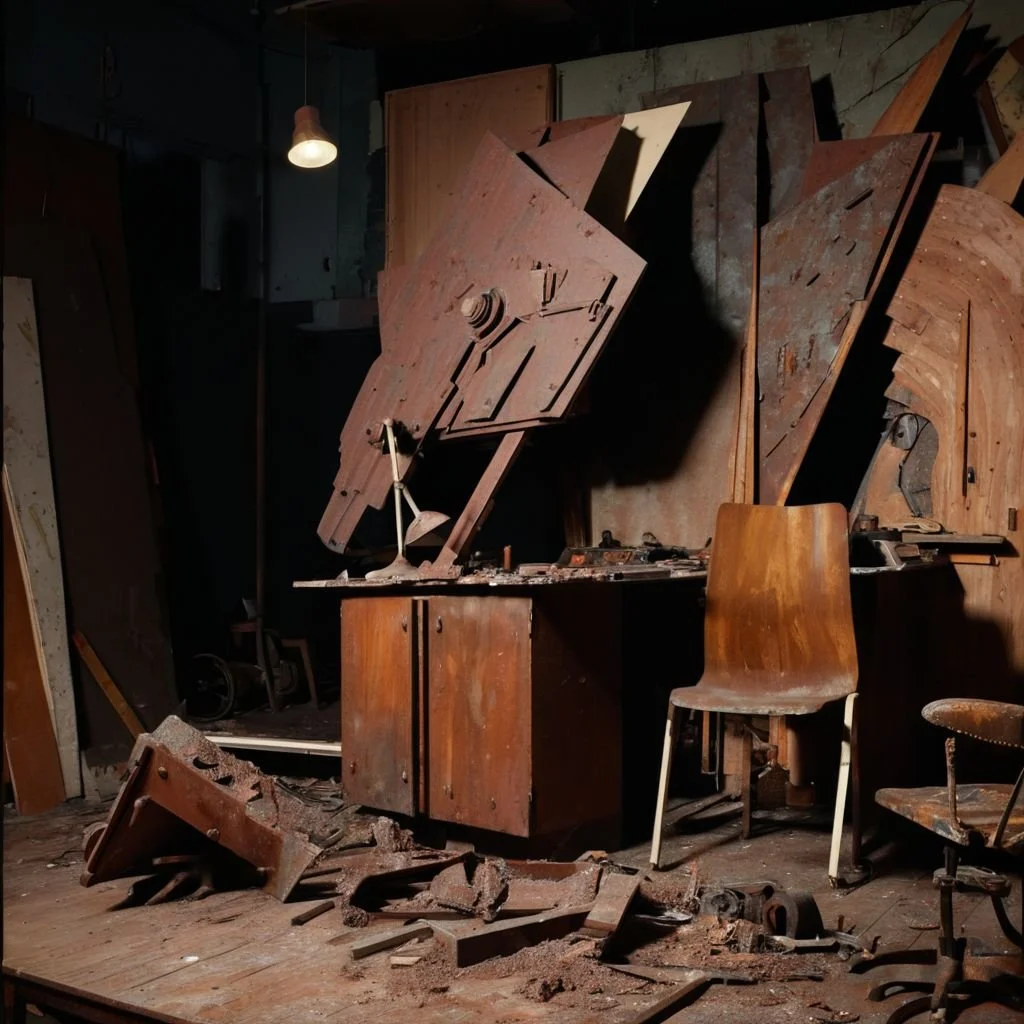
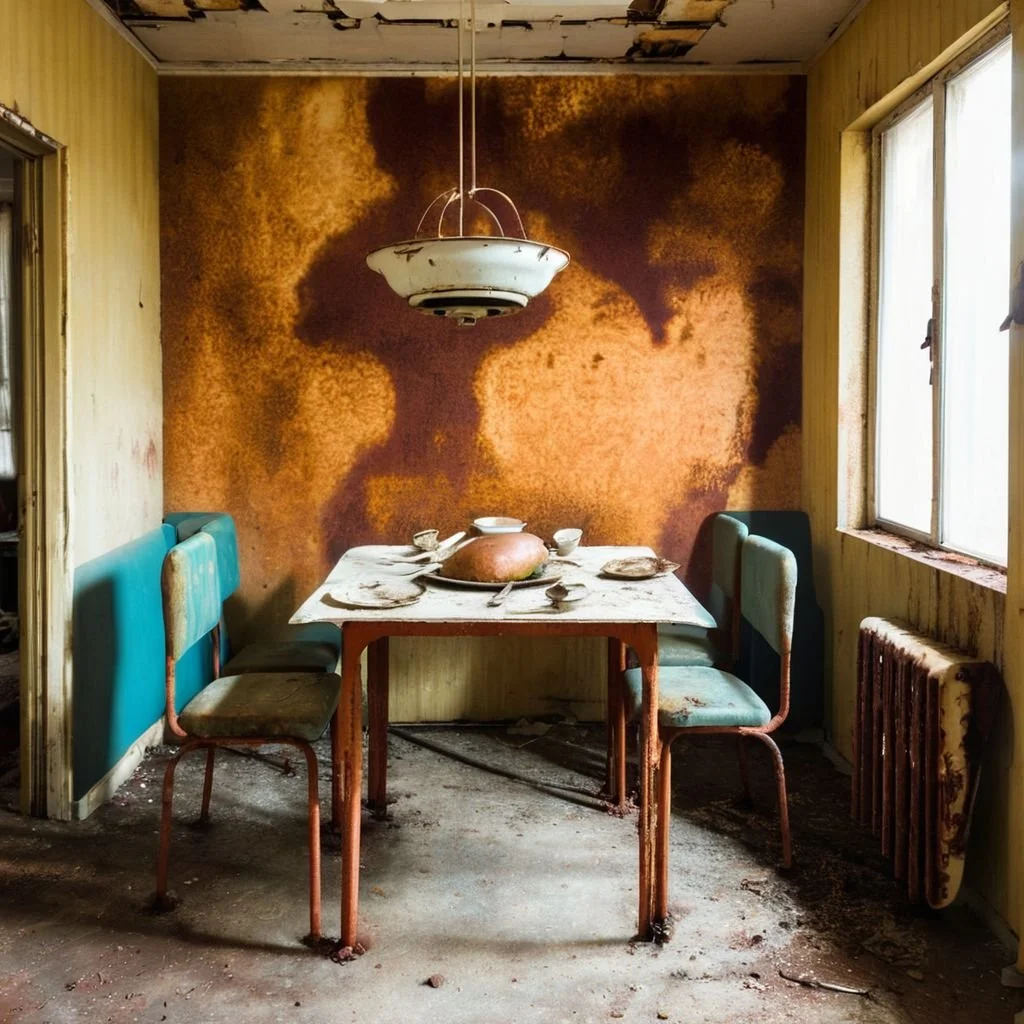
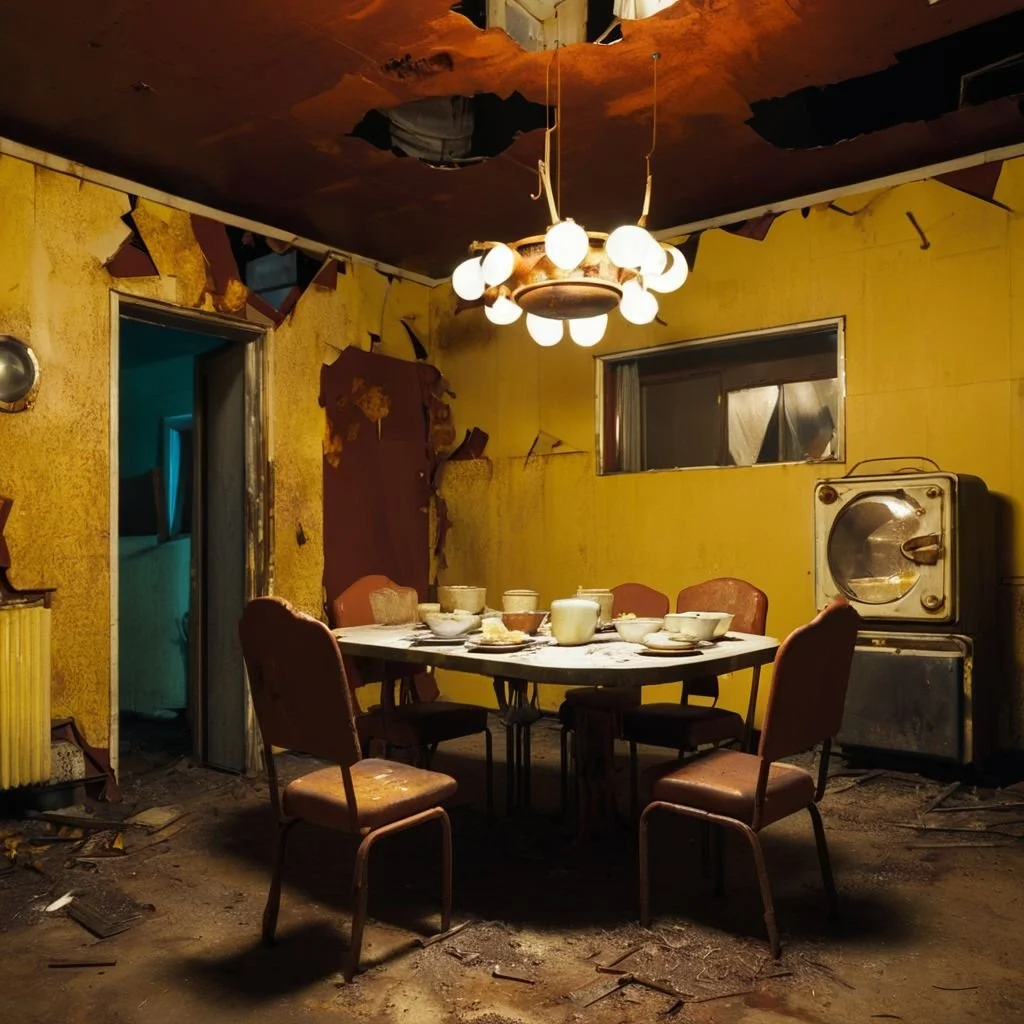
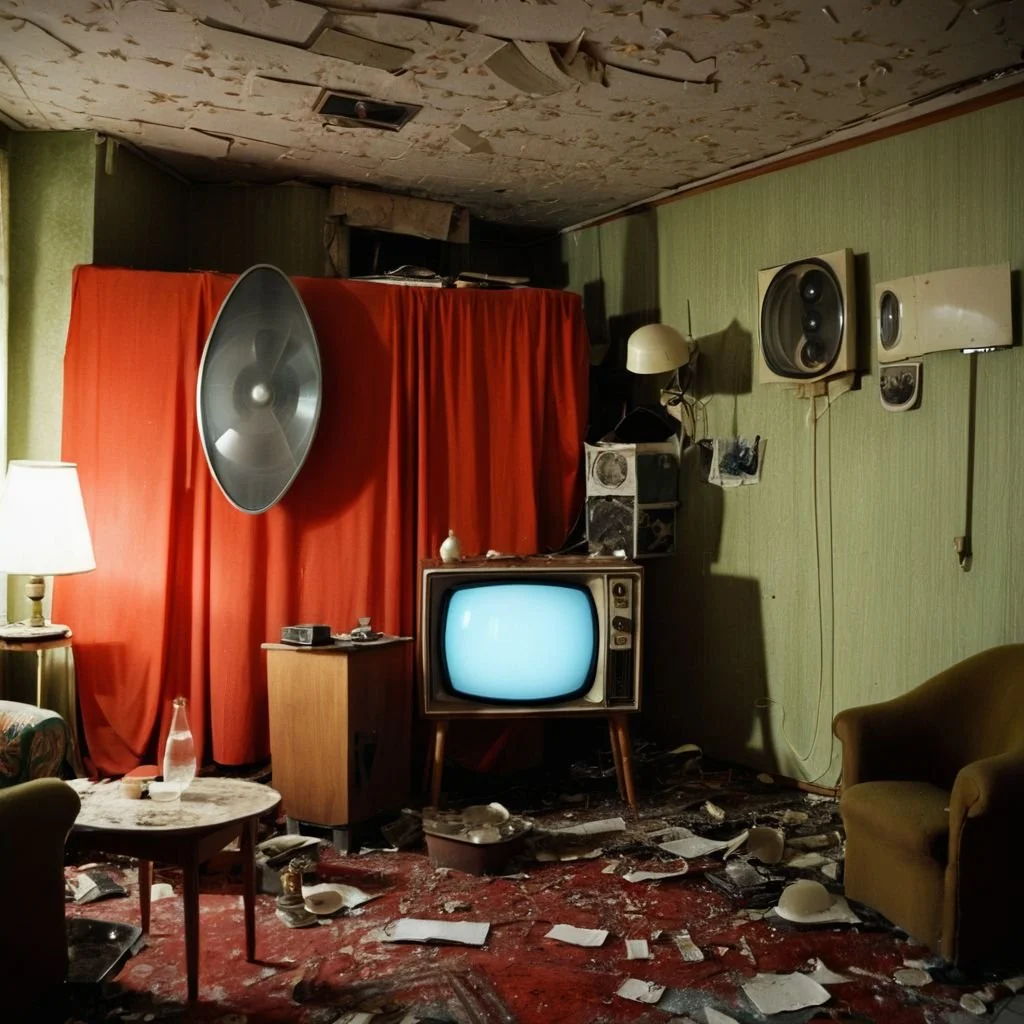
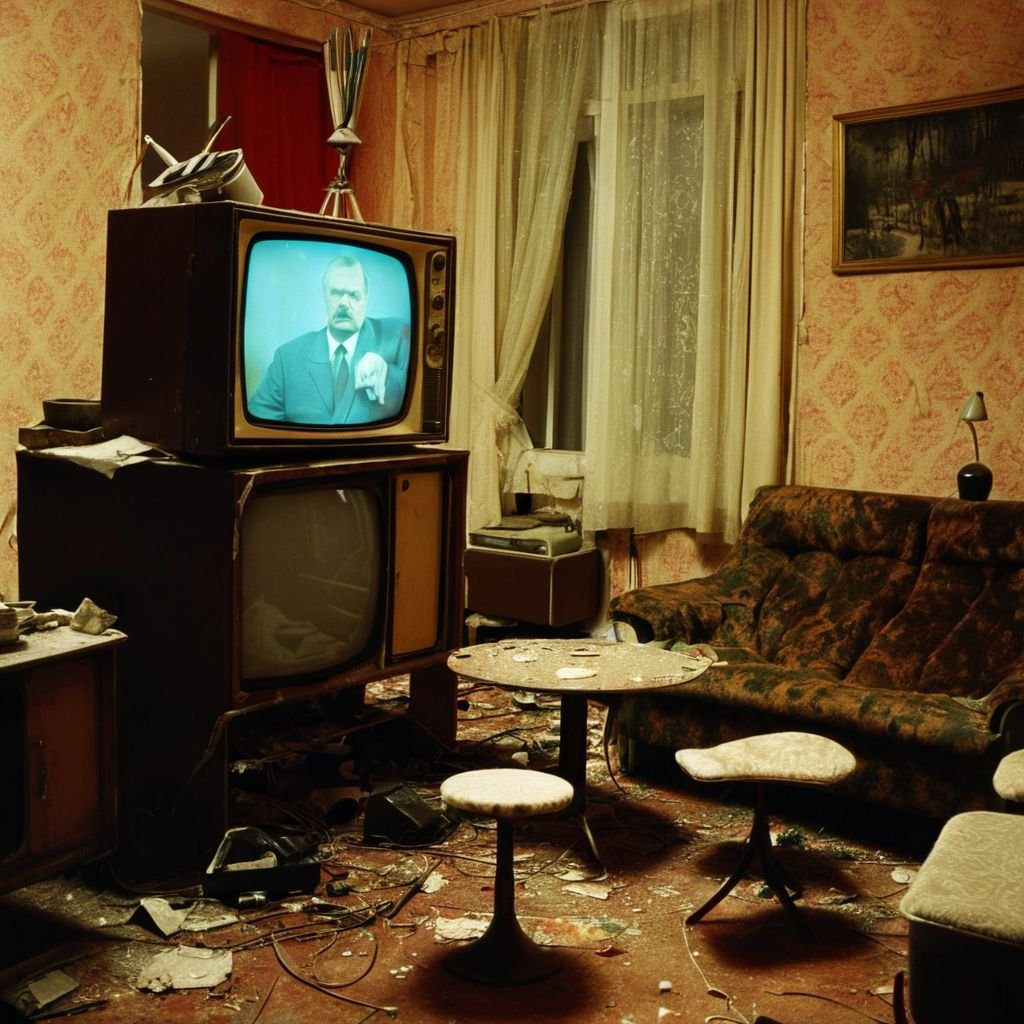
The modern living room has finally understood that comfort is an upholstered lie. No more gray sofas. No more beige. No more throw pillows that say home is where the heart is, when the heart is clearly under the baseboard with the dust, the regret, and a receipt from 2016.
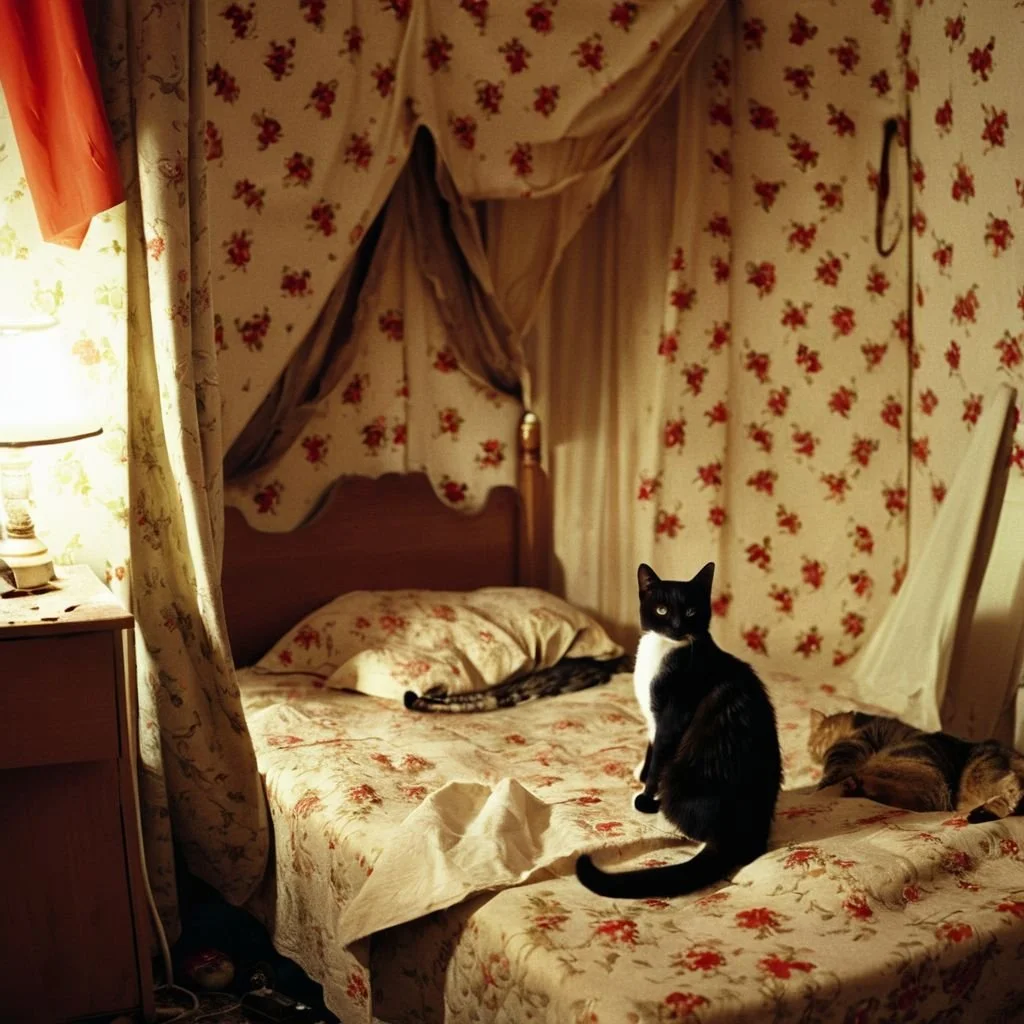
The new sofa is floral, collapsing, theatrical. It looks like it belonged to an aunt who died badly or a hotel that lost a war. It’s romantic the way a bruise is romantic: it changes color, tells a story, and improves nothing.
Behind it, a floral mural explodes across the wall like a psychological allergic reaction. Huge flowers. Unnatural flowers. Flowers out of scale and out of patience.
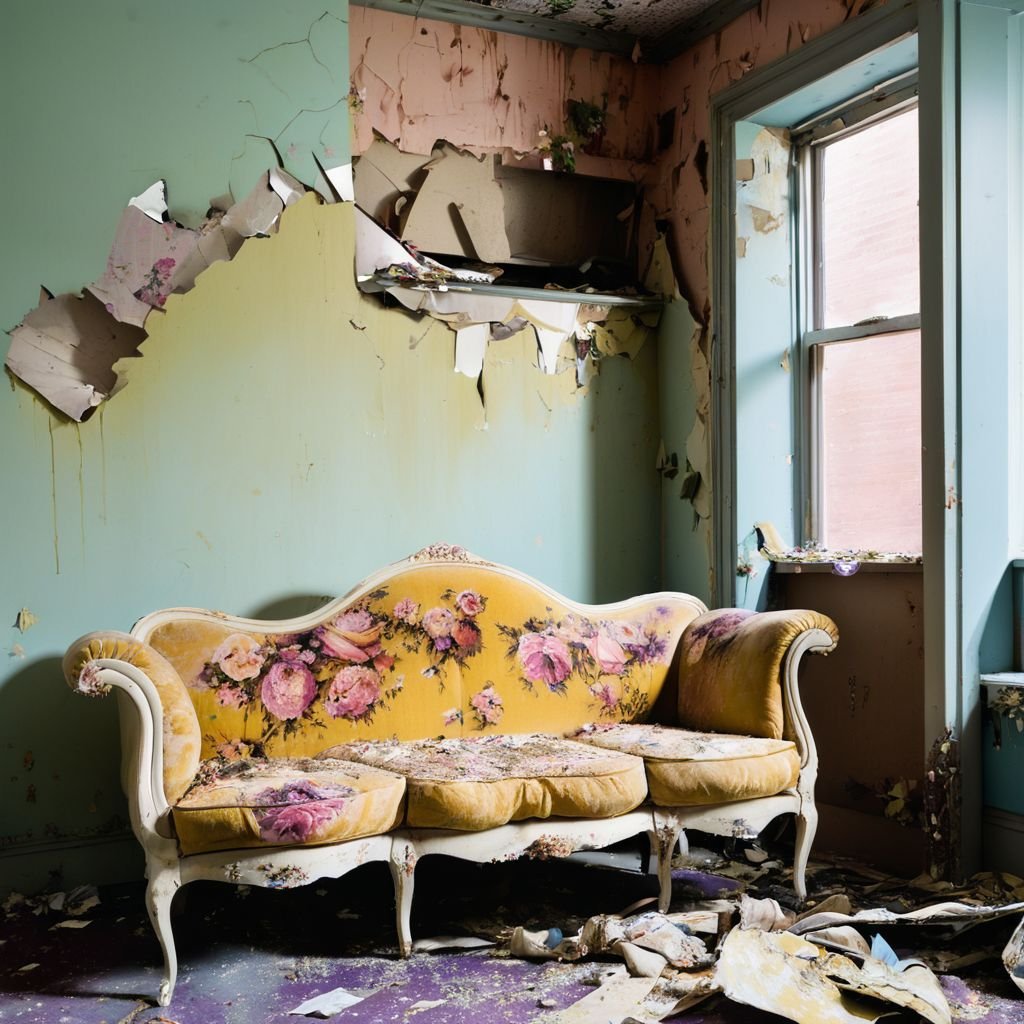
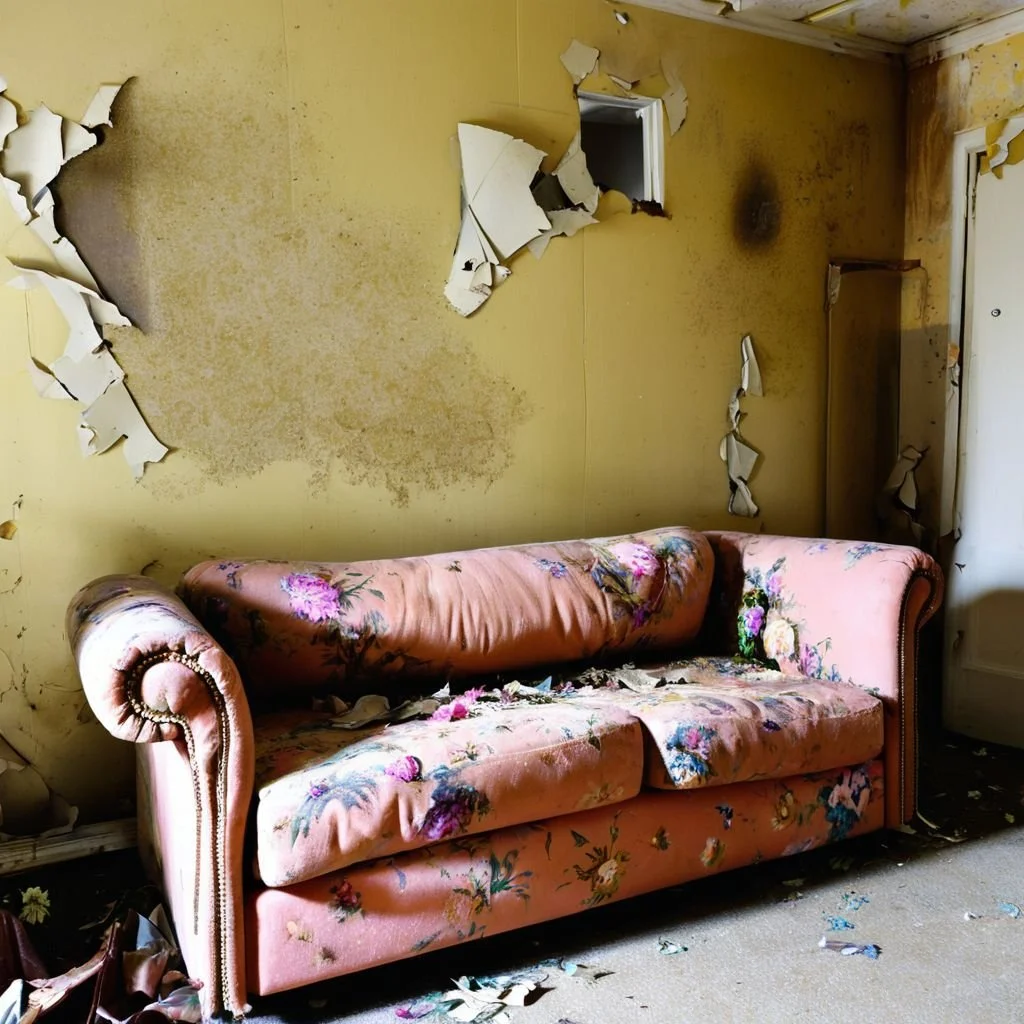
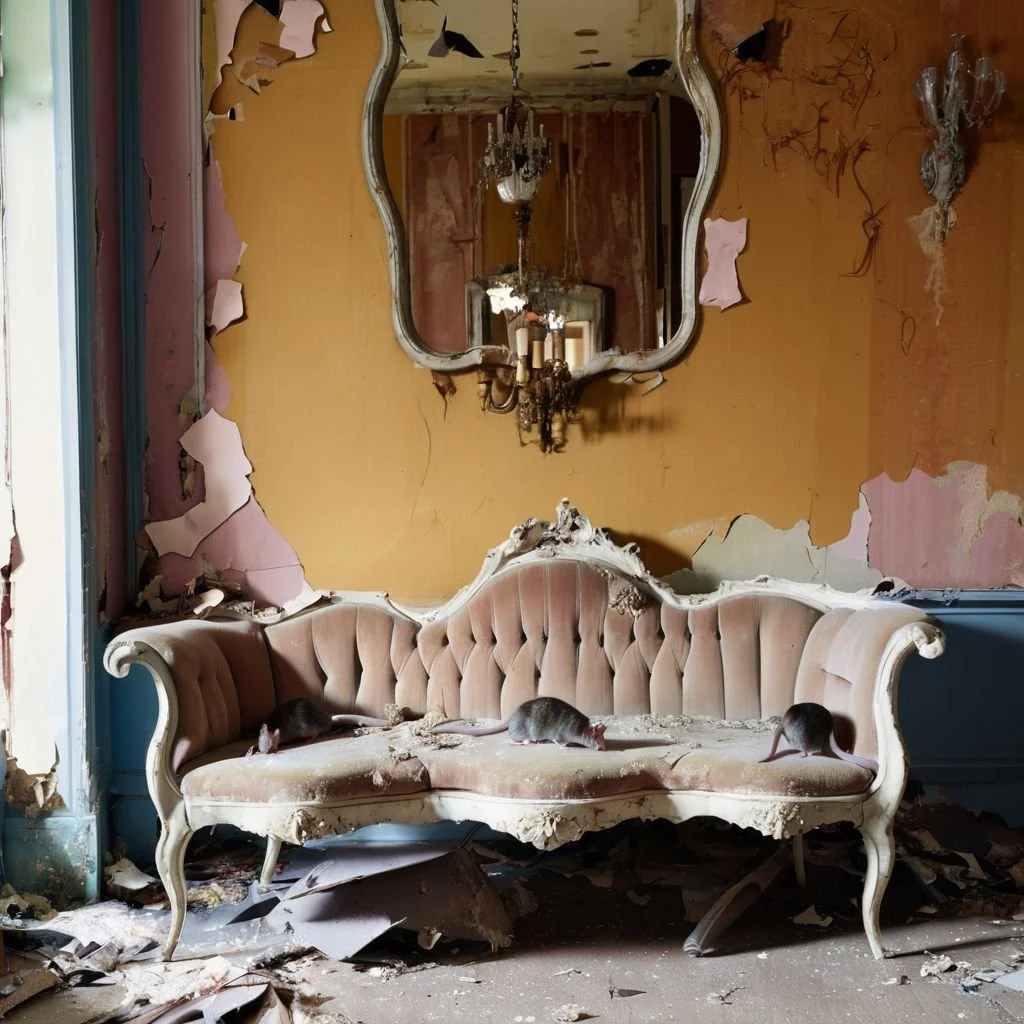
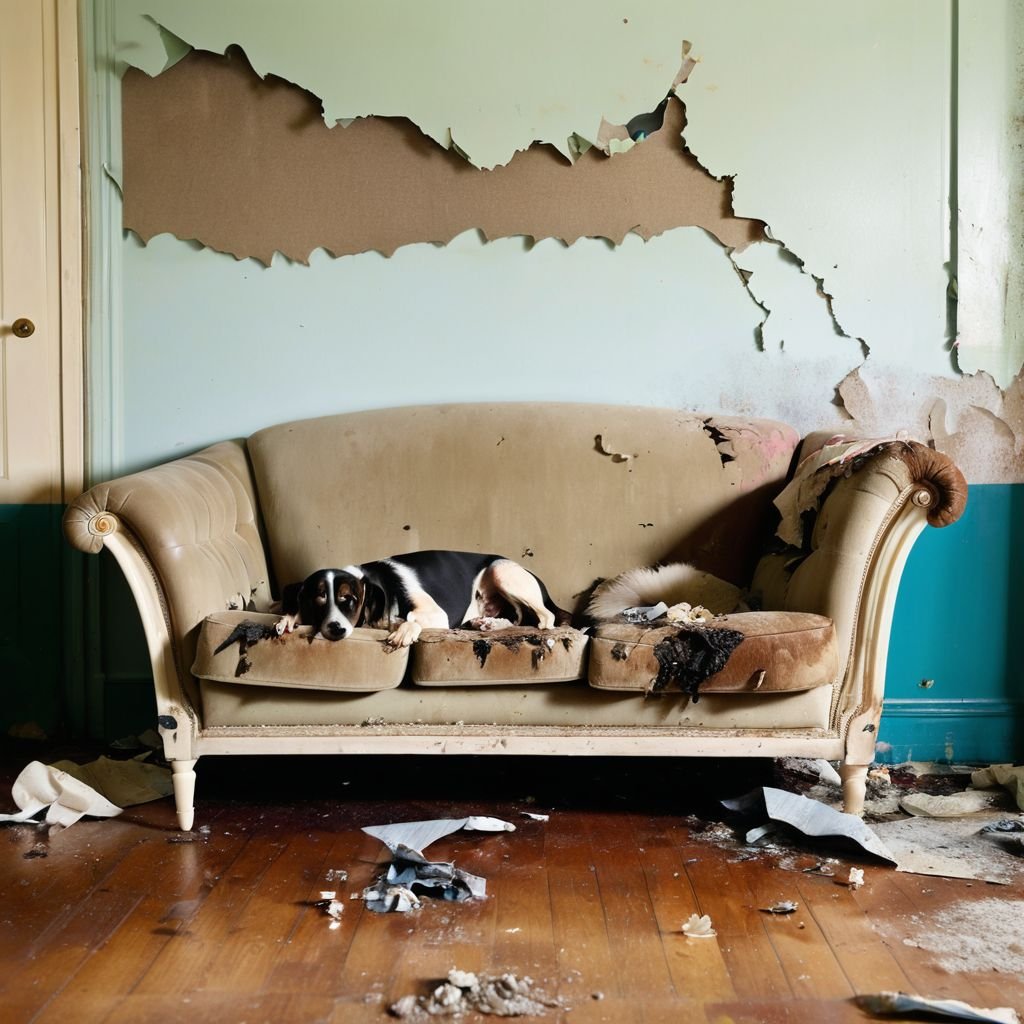
Nature doesn’t enter the home.
It invades.
It takes hostages.
It demands ransom.
This isn’t maximalism.
This is hoarding with a poetry degree.
And finally, the garden.
The contemporary garden is no longer a green space.
It’s a verdict.
Forget the English lawn, the trimmed hedge, the ethical compost bin of the suburban influencer. The new garden is a post-capitalist ecosystem where broken chairs, overturned pots, and blue watering cans spontaneously organize into a form of government.
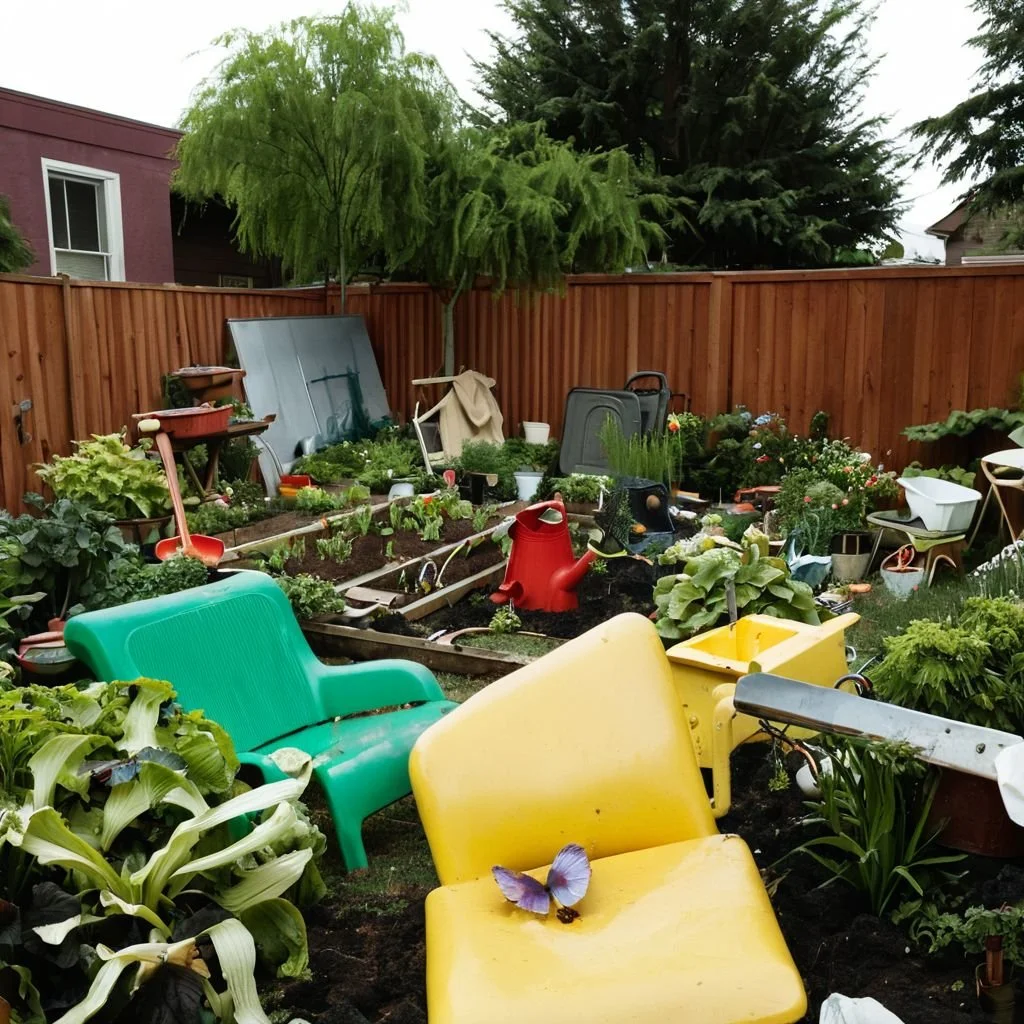
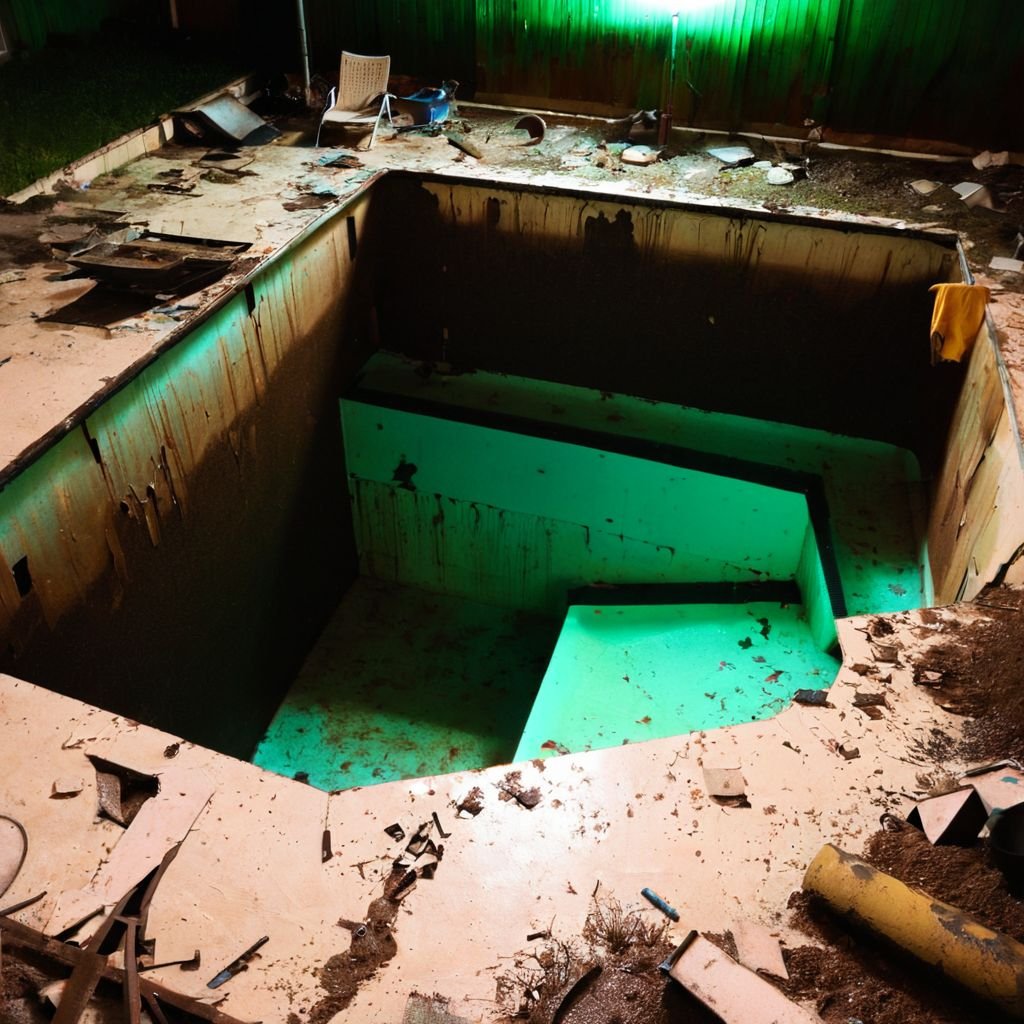
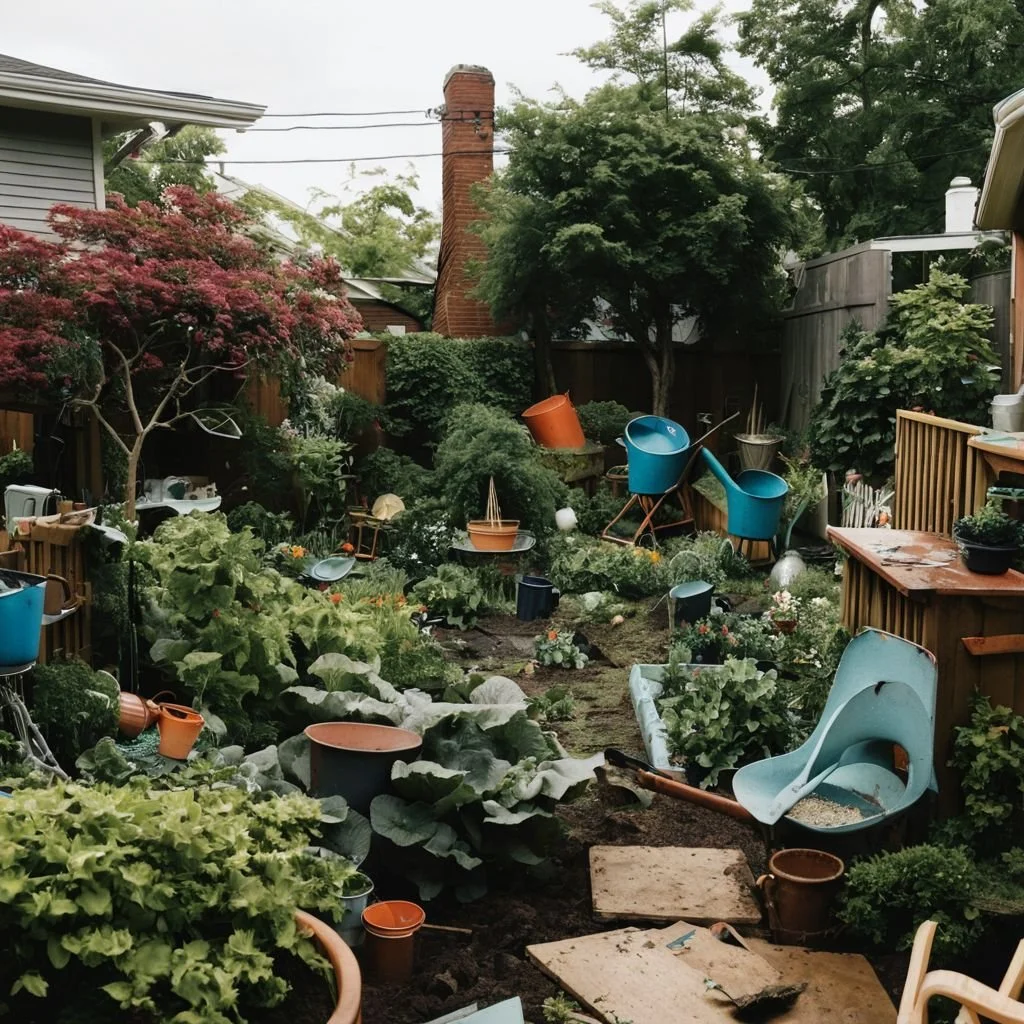
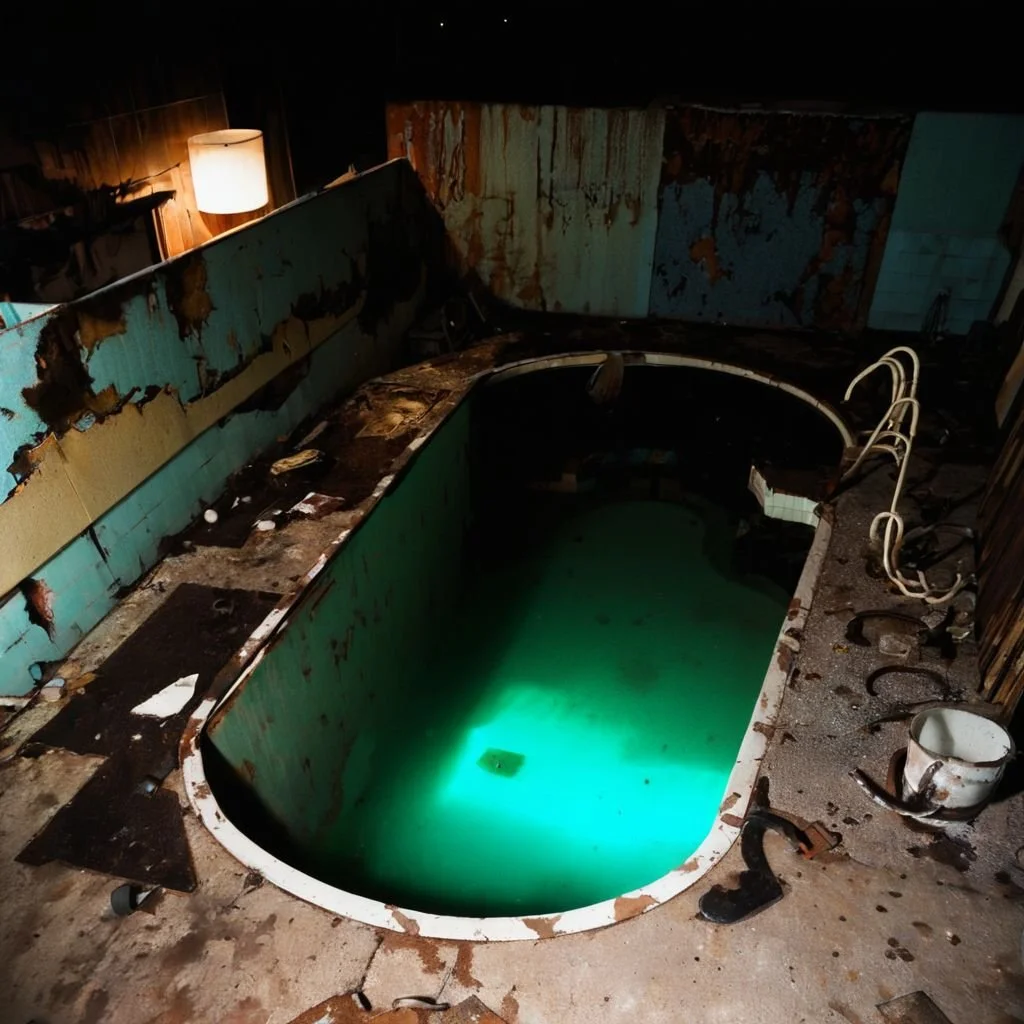
Every object has failed at its original purpose and found a second life as accidental sculpture.
The chair doesn’t support. It testifies.
The pot doesn’t contain. It repents.
The watering can doesn’t water. It floats inside the memory of having once been useful.
This is a garden that doesn’t need maintenance.
It needs a diagnosis.
The plants grow anyway, because plants don’t need your aesthetic permission. While you’re choosing between two shades of dirty white called “Nordic Milk” and “California Fog,” they’re taking over the yard, the hose, and the entire concept of private property.
The modern home, the real one, is not minimalist.
It’s minimal in the medical sense: minimal vital signs, minimal hope, minimal structural intervention before collapse.
The new luxury is not having space.
It’s having cracks photogenic enough to post.
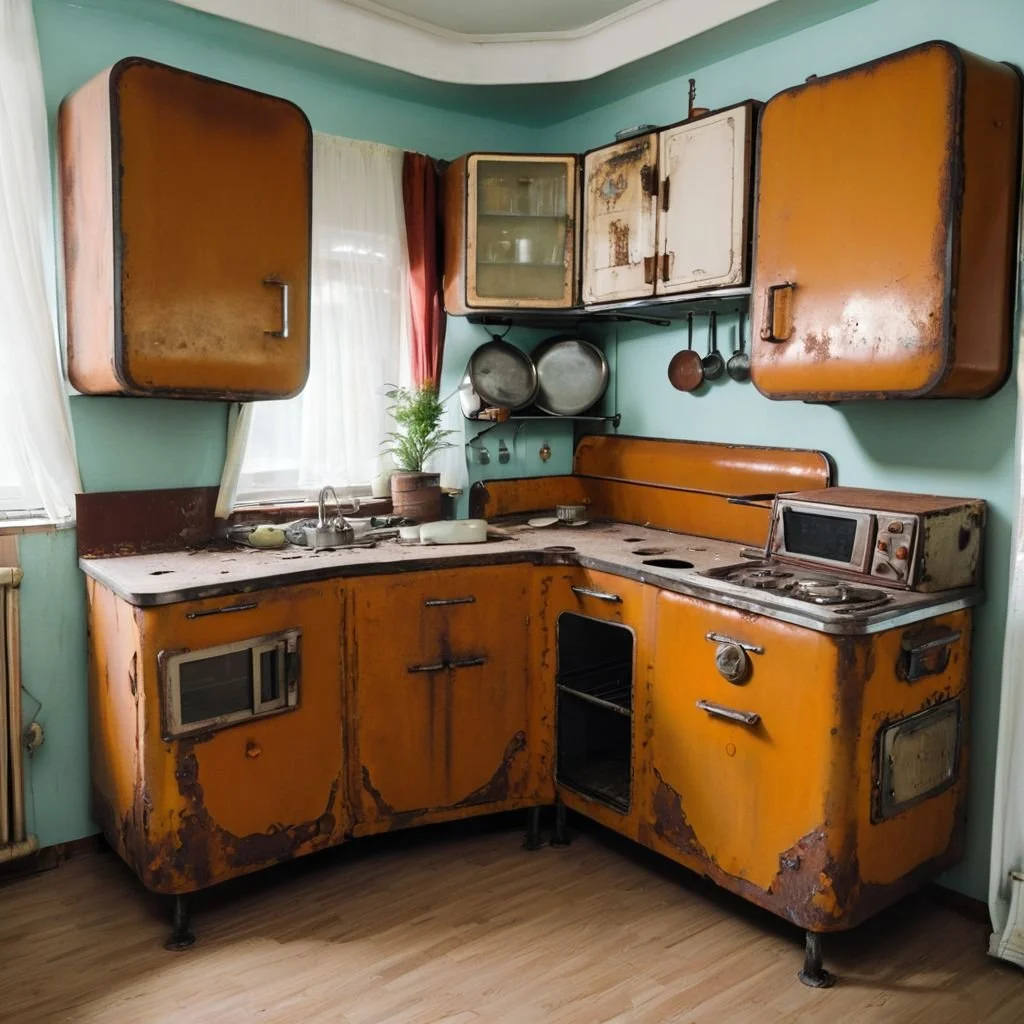
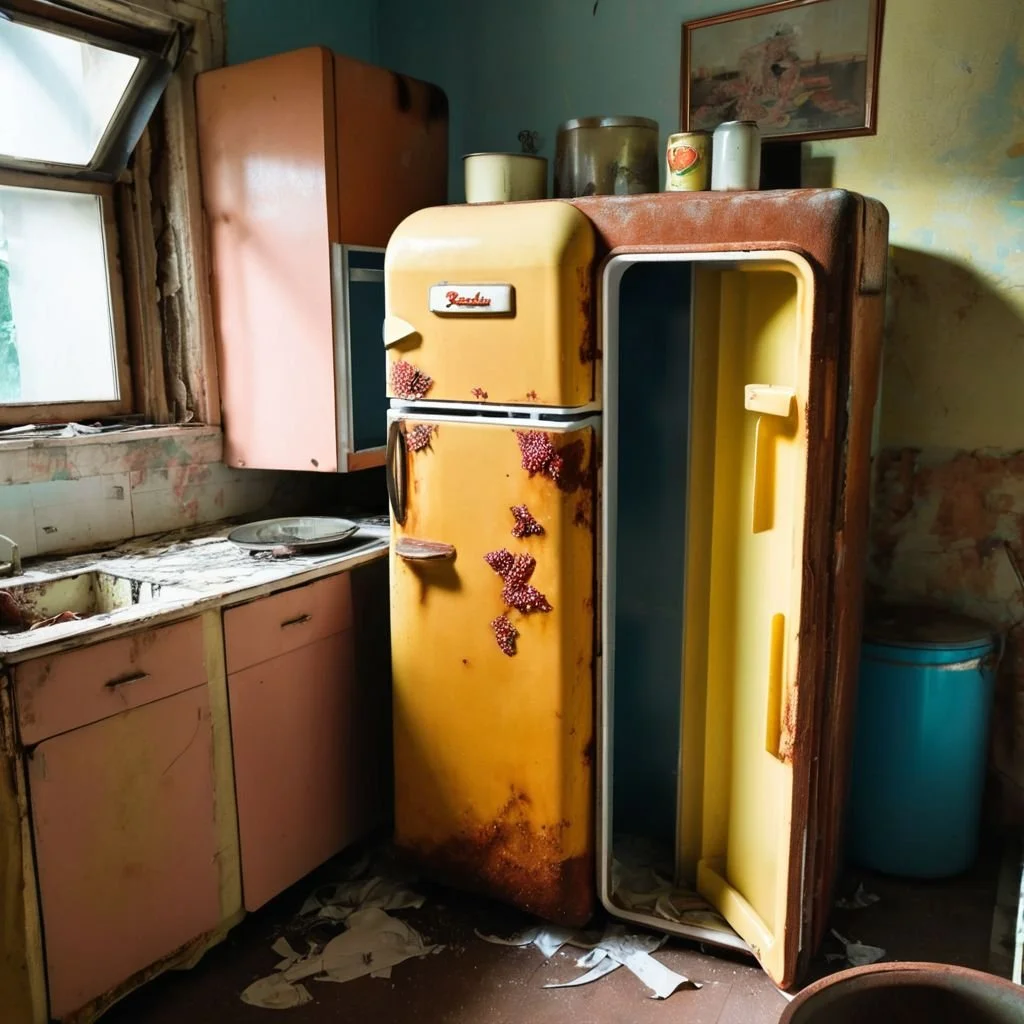
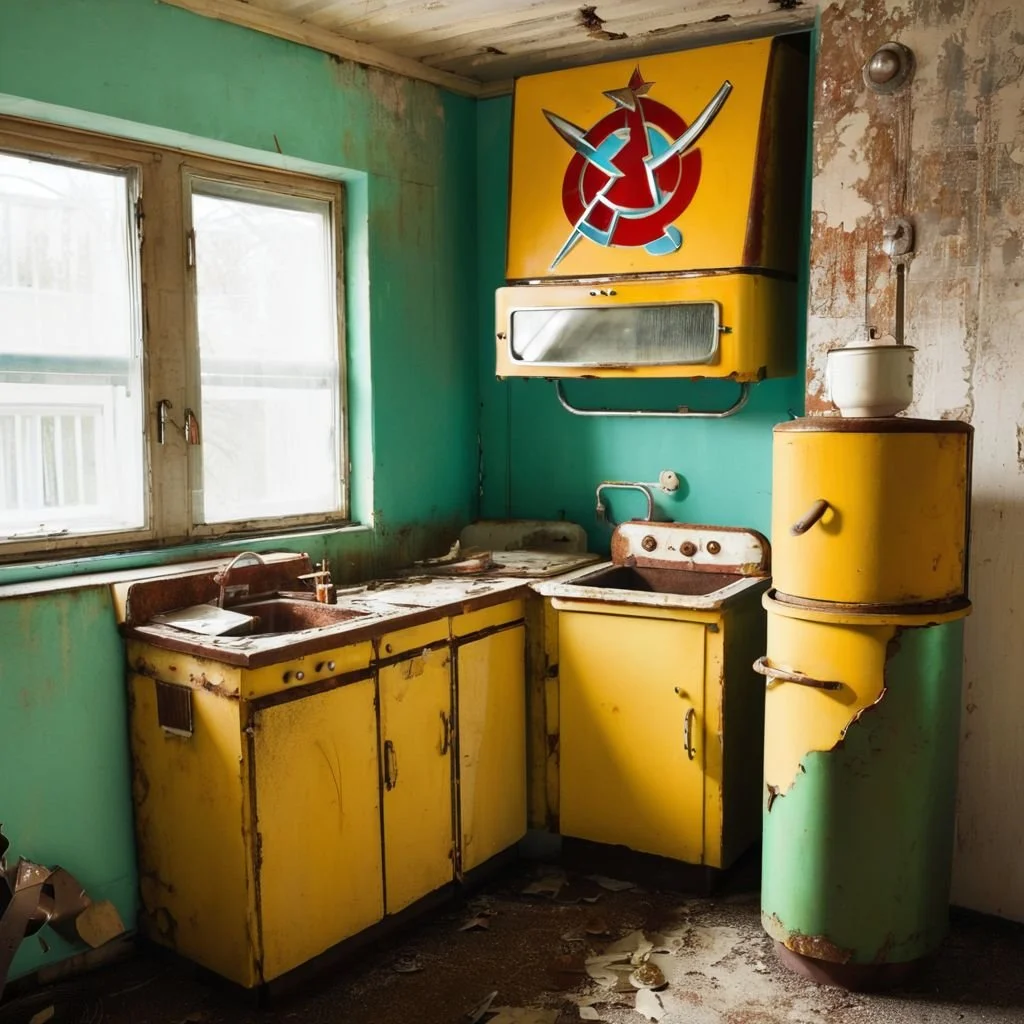
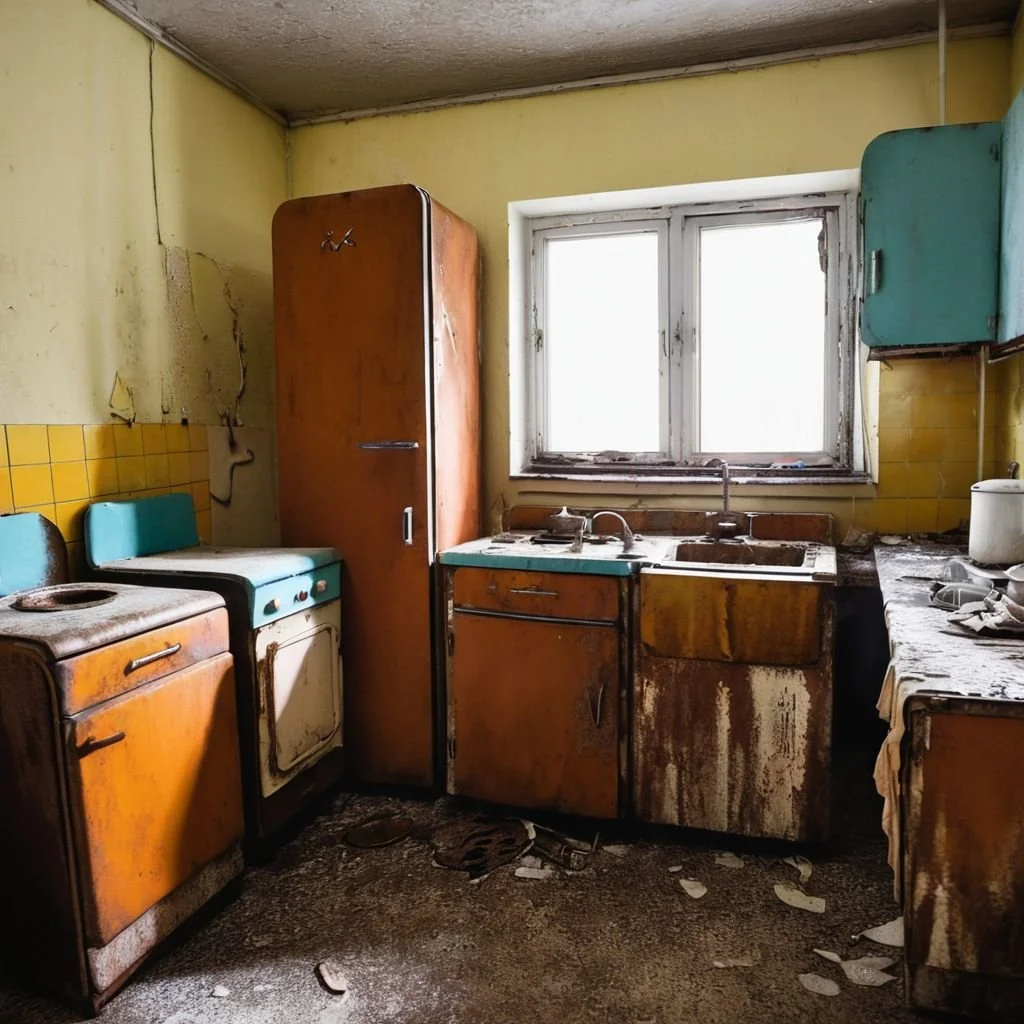
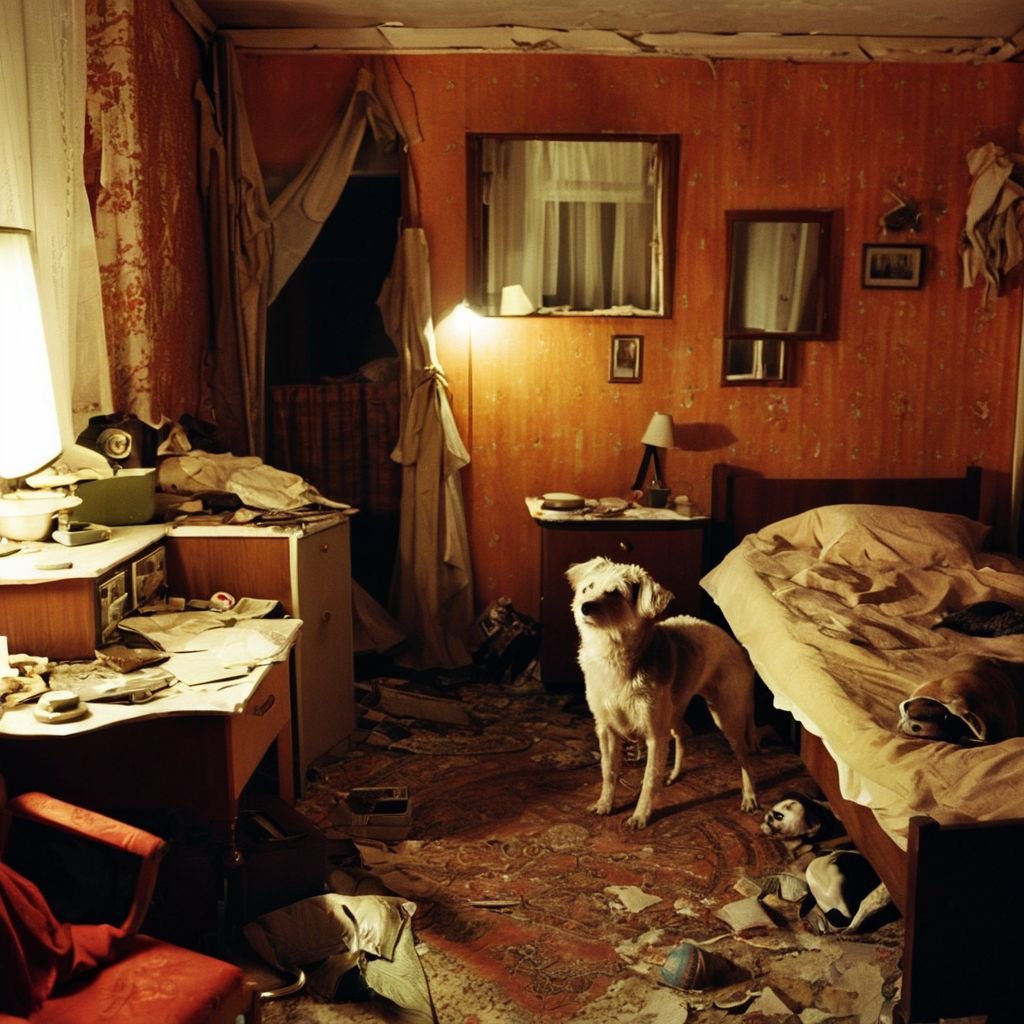
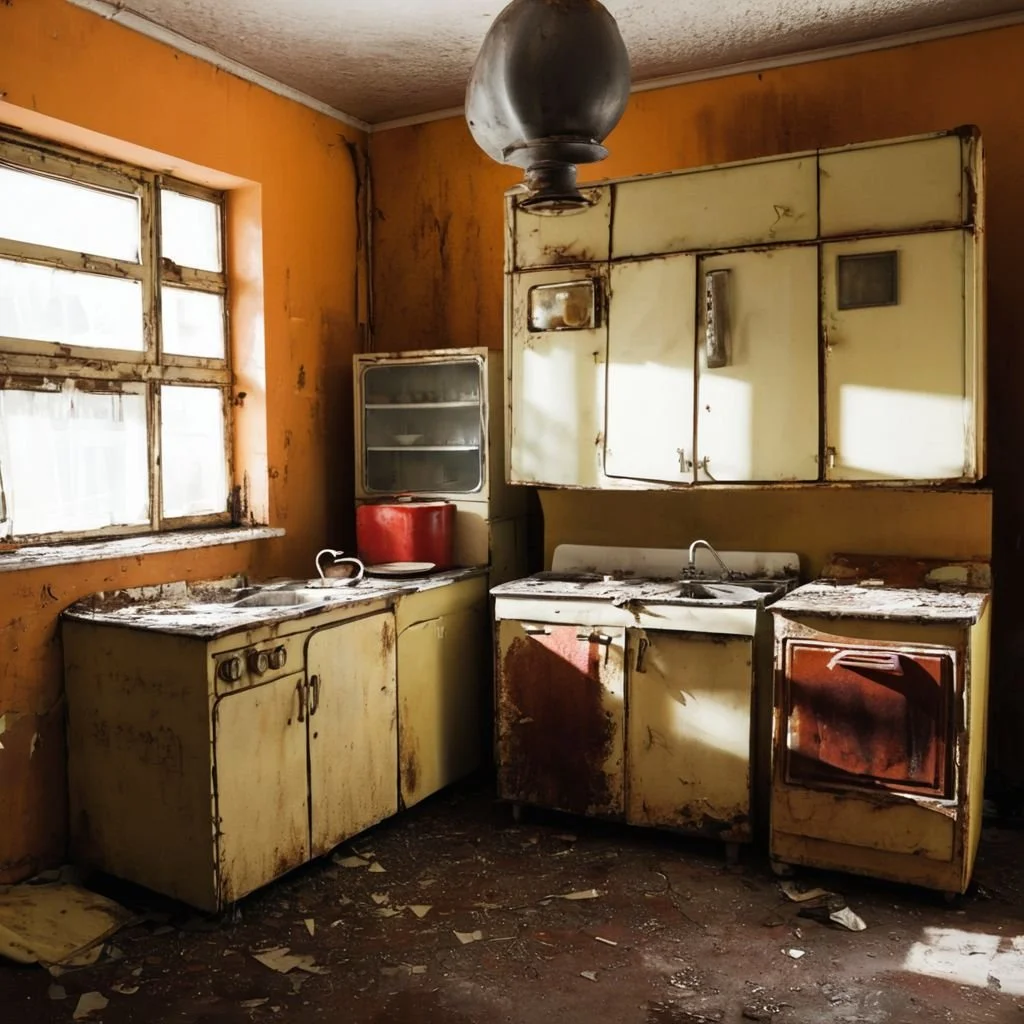
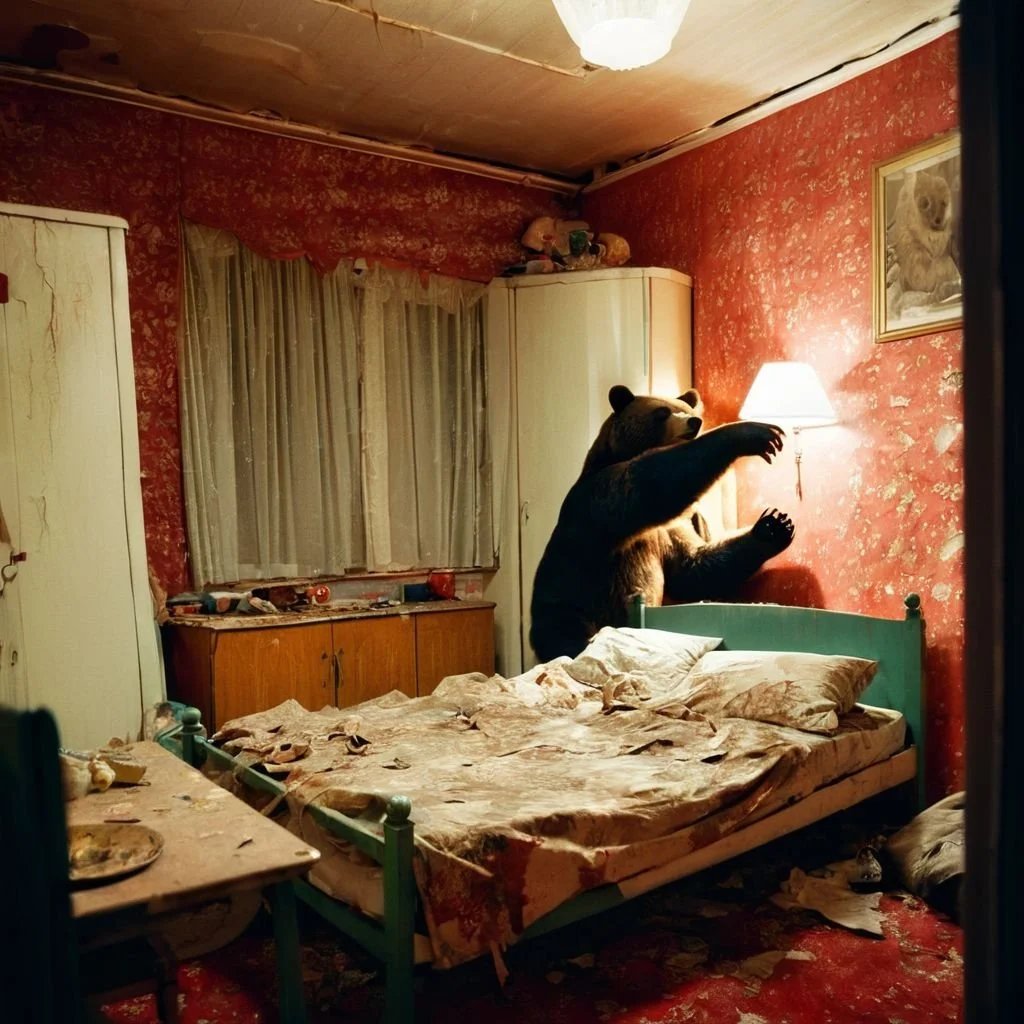
It’s not about living better.
It’s about documenting decay with taste.
It’s not design.
It’s survival with a color palette.
So yes: welcome to Maisons et Jardins, the column for anyone who has realized the perfect home does not exist. There is only the home that resembles you closely enough to be frightening.
Modern living is this: a chipped bathtub, a floral couch that knows too much, a garden that has stopped cooperating.
Finally, a home without filters.
Finally, a sincere home.
Finally, a home that doesn’t say “welcome” when you walk in.
It says: “You too?”